Philippines Becomes World's Top Solar Panel Buyer
The short version
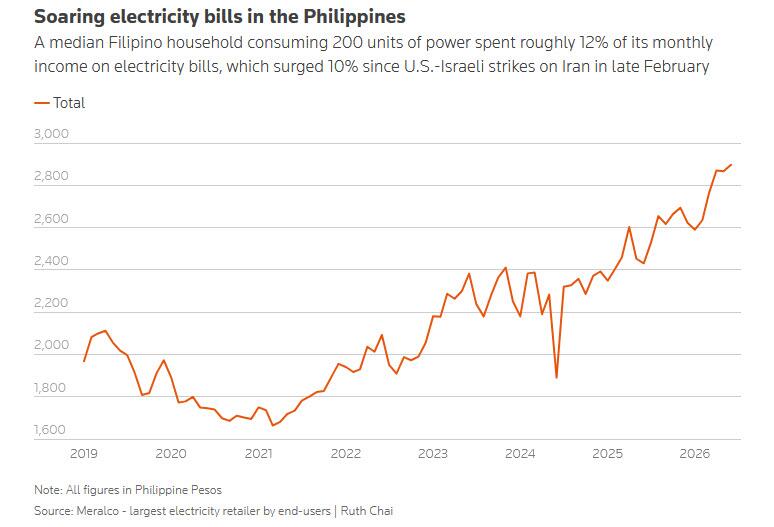
- Top Philippines power distributor Meralco has raised prices by 10% since the Middle East conflict began in late February.
- Now, a median household spends around 12% of monthly income on electricity , assuming it consumes 200 kilowatt-hours, approximately the monthly average for three people.
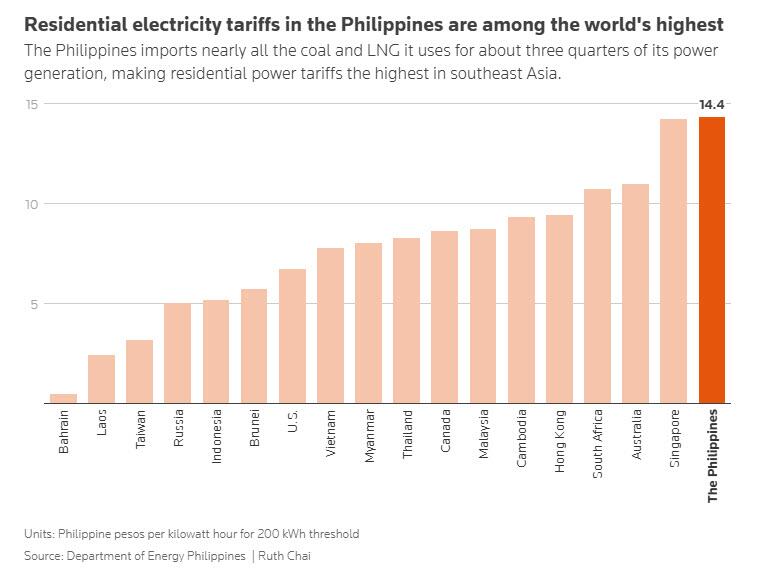
- Amid record-beating electricity prices and a supply crunch in fossil fuels, many Filipinos have opted to install rooftop solar panels over the past three months.
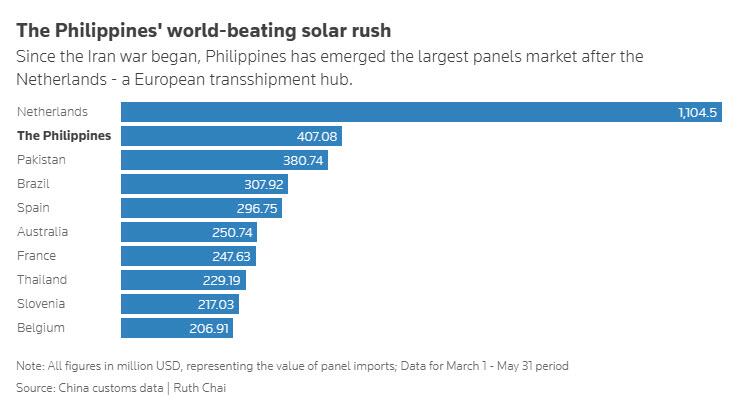
- The Netherlands was the biggest spender with $1.1 billion on solar panels but it is a major transshipment hub for solar equipment imports and re-exports…
- After the Philippines comes Pakistan, another Asian economy severely hit by the halt of LNG supply from the Middle East.
The story
By Charles Kennedy of OilPrice.com
People in the Philippines are flocking to install solar power on rooftops and escape the burden of soaring electricity prices, making it the world's biggest spender on solar panels since the war in Iran started.
Top Philippines power distributor Meralco has raised prices by 10% since the Middle East conflict began in late February. Now, a median household spends around 12% of monthly income on electricity, assuming it consumes 200 kilowatt-hours, approximately the monthly average for three people.
Amid record-beating electricity prices and a supply crunch in fossil fuels, many Filipinos have opted to install rooftop solar panels over the past three months.
The spending on solar panels in the Southeast Asian country, which has been one of the worst-hit Asian economies in the energy supply crisis triggered by the Middle East conflict, topped $407 million between March 1 and May 31, per China customs data compiled by Reuters.
The Netherlands was the biggest spender with $1.1 billion on solar panels but it is a major transshipment hub for solar equipment imports and re-exports, so it’s not really part of the analysis of which country has spent the most.
After the Philippines comes Pakistan, another Asian economy severely hit by the halt of LNG supply from the Middle East. Pakistan has managed to negotiate with Iran some LNG cargoes form Qatar to exit the Persian Gulf in recent weeks. But the energy crisis in Pakistan has also prompted a rush to solar power installations.
Pakistan’s solar boom was already evident before the Middle East crisis.
Distributed solar drove a 21% increase in Pakistan’s national electricity demand in two years, clean energy think tank Ember said in a report last week.
A total of 27 gigawatts (GW) of distributed solar was deployed in just two years, the same as all the operating coal, gas, and oil plants built in Pakistan ever, Ember said.
In the Philippines, rooftop solar has nearly doubled over the past 12 months, according to a separate Ember analysis from the end of May.
Philergy German Solar, a Manila-based installer, received more than 2-1/2 times the number of customer enquiries in the first five months of this year compared to last year. At one point it fielded 3,000 inquiries a day, according to managing partner Jochen Staudter. Customers are deciding to buy "much faster than before," Staudter said. "Demand will continue to be driven by high electricity prices."
In two years, distributed solar capacity could nearly triple to 3,500 megawatts (MW), matching the current size of the Philippines' utility-scale solar fleet, as loan payback times shrink to 3.1 years from 4 years, said Alnie Demoral, analyst at energy think tank Ember. Solar accounts for under 4% of national power consumption, government data shows.
The Philippines is China’s second-largest solar panel export market in 2026, only behind the transshipment hub the Netherlands, suggesting significant rooftop pick-up in the Southeast Asian country. China exported over 3,000 MW of solar panels to the Philippines in March and April alone, according to Ember’s data.
Still, the solar boom in the Philippines faces challenges, including high upfront costs for Filipino households and supply chain issues.
Related Markets
All MarketsMarket data may be delayed. Not financial advice.
Powered by Gab AI
The Story At A Glance
Reading this article now — analysis appears below
💡 AI analysis provides alternative perspectives on current events