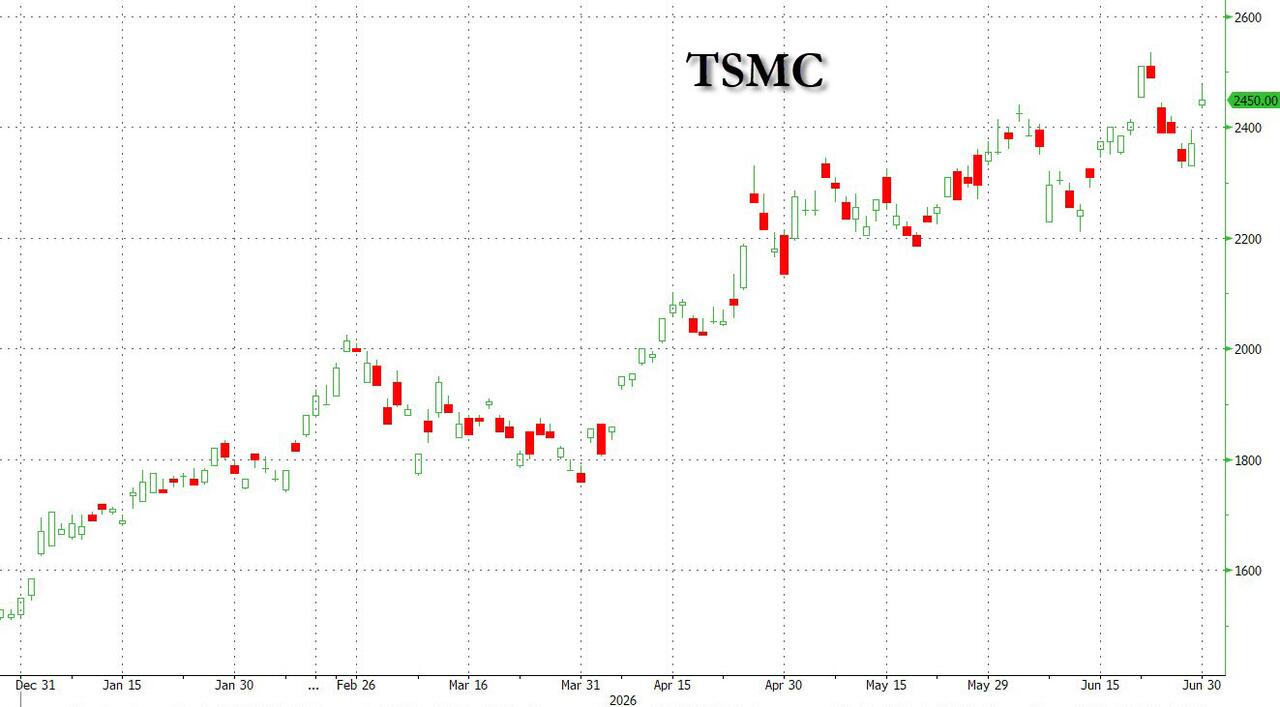
World's Largest Chipmaker, Taiwan Semi, Accelerates Local DRAM Supply Chain With Winbond Collaboration
The short version
- TSMC and Winbond are collaborating on a localized DRAM supply chain using 3D wafer-on-wafer (WoW) stacking technology…
- The move is designed to keep critical memory production close to home while feeding the demand of AI hardware.
- It's positioned as critical for AI servers, HPC, and edge AI devices.
- Why Winbond: TSMC's WoW memory wafers have historically relied on Samsung, SK Hynix, and Micron.
- With global memory supply extremely tight and those three running near full capacity, TSMC is diversifying.
The story
In a time of heightened scrutiny on the memory supply chain, overnight the world's largest chipmaker, Taiwan's TSMC, is reportedly building out a domestic DRAM supply chain in Taiwan amid a severe global memory shortage, bringing in Winbond as a partner, UDN reported.
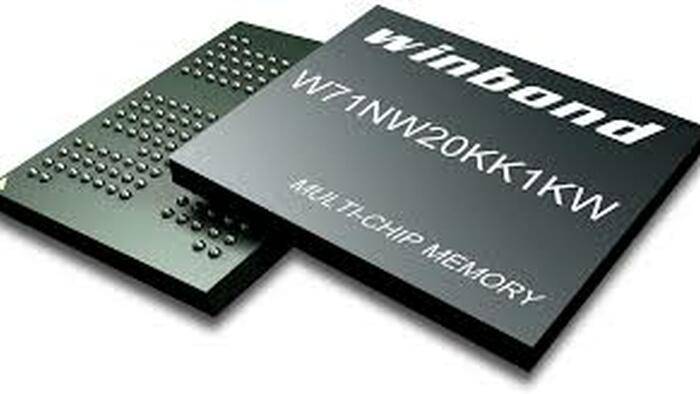
TSMC and Winbond are collaborating on a localized DRAM supply chain using 3D wafer-on-wafer (WoW) stacking technology, where Winbond would supply DRAM memory wafers to be stacked with TSMC's logic wafers. The move is designed to keep critical memory production close to home while feeding the demand of AI hardware.
Key details:
- The tech: WoW uses hybrid bonding to directly stack logic chips and memory wafers vertically, creating tens of thousands to millions of micro copper interconnects — shortening data transmission distance versus traditional packaging, with higher bandwidth, lower latency, and better power efficiency. It's positioned as critical for AI servers, HPC, and edge AI devices.
- Why Winbond: TSMC's WoW memory wafers have historically relied on Samsung, SK Hynix, and Micron. With global memory supply extremely tight and those three running near full capacity, TSMC is diversifying. Winbond's long track record in niche/specialty DRAM and NOR Flash, plus its mature 12-inch wafer production, high yield, and quality control, made it a fit.
- Strategic angle: This is framed as TSMC cultivating a domestic supply chain to strengthen Taiwan's self-sufficiency in AI chip components — elevating Winbond from a peripheral player to a core part of the global AI supply chain, and reinforcing Taiwan's overall position in AI semiconductor manufacturing.
- Caveat: Winbond declined to comment on specific clients/deals, and TSMC had not responded by press time — this is sourced to unnamed industry insiders, not confirmed by either company.
Some more technical color on what Winbond actually brings:
- Several outlets cite Winbond's proprietary architecture called CUBE (Customized Ultra-Bandwidth Elements), described as purpose-built for WoW integration, with scalable memory density from 256Mb to 8Gb per die. Crypto Briefing
- Why now? Well, as everyone knows by now, the memory pricing backdrop is extreme, if not outright absurd, with all demand crushed except for (off-balance sheet_ debt-funded data centers .One analysis flagged that DRAM prices rising nearly 75% in early 2026, and with the memory crunch expected to persist until at least 2027, that's the real catalyst pushing TSMC to diversify away from Samsung/SK Hynix/Micron.
- This is not Winbond's first rodeo on this front. Separately, Winbond has also been building a DRAM foundry partnership with Elpida targeting graphics DRAM, not cutting-edge HBM — framed by one analyst as a resilience/diversification move for Taiwan's supply chain rather than a direct challenge to Korean HBM dominance.
That said, multiple outlets note that neither company has gone on record so far "Specific details surrounding the TSMC-Winbond collaboration remain sparse, as neither company has issued significant announcements regarding the project", consistent with the UDN piece's framing that Winbond declined comment and TSMC hadn't responded by press time.
If you want, I can pull Winbond's stock reaction (2344.TW) specifically, or draft this into a quick ZeroHedge-style piece tying it to the broader memory-shortage/CXMT thread you've been tracking.
TSM gained 3.60% on June 29, with traders attributing the move directly to the Winbond partnership news.
Powered by Gab AI
The Story At A Glance
Reading this article now — analysis appears below
💡 AI analysis provides alternative perspectives on current events