Trump Suggests He May Not Sign Bipartisan Housing Affordability Bill
The short version
- The House of Representatives has passed the act, but it has stalled in the Senate, where Democrats oppose it over concerns that it could exclude voters who meet the standards but…
- House Speaker Mike Johnson (R-La.) said over the weekend that the housing bill would be transmitted to Trump on Monday and that he was confident it would become law.
- Johnson said the bill was a priority for Republicans because it would bring down housing costs and reduce regulation.
- Trump has said that concerns about affordability are overblown. “They say, ‘Oh, he doesn’t realize prices are high,’” he said in a speech in December 2025. “Prices are coming down…
- The new word is affordability.” He said more recently that he does not consider the financial situation of Americans when deciding on next steps in the war with Iran.
The story
Authored by Zachary Stieber via The Epoch Times,
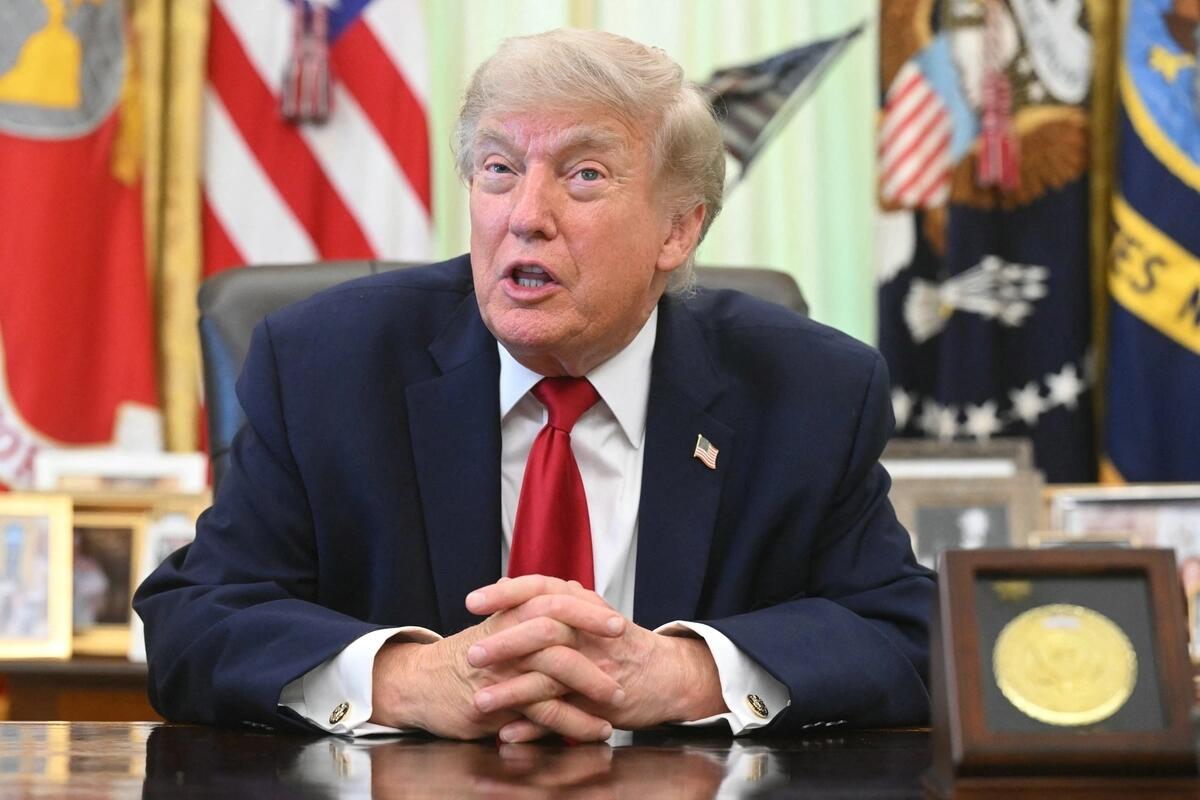
President Donald Trump indicated on June 29 that he may not sign a bill that Congress passed that aims to make housing more affordable.
Trump told reporters at the White House in Washington that he has not decided whether to sign the housing bill, the 21st Century ROAD to Housing Act, which Congress approved in a bipartisan fashion earlier in the month and targets permitting times, boosts financial incentives, and aims to make it easier to obtain mortgages.
“I think it’s so unimportant compared to the Save America Act,” Trump said.
“To me, compared to the Save America Act, just about everything is a big yawn.”
Trump had been poised to sign the housing legislation, but canceled those plans so as to try to force Congress to pass the Save America Act, which would require voters to prove they are American citizens to vote in federal elections.
The House of Representatives has passed the act, but it has stalled in the Senate, where Democrats oppose it over concerns that it could exclude voters who meet the standards but lack the necessary documents.
House Speaker Mike Johnson (R-La.) said over the weekend that the housing bill would be transmitted to Trump on Monday and that he was confident it would become law.
Johnson said the bill was a priority for Republicans because it would bring down housing costs and reduce regulation.
Trump has said that concerns about affordability are overblown.
“They say, ‘Oh, he doesn’t realize prices are high,’” he said in a speech in December 2025.
“Prices are coming down very substantially. But they have a new word. They always have a hoax. The new word is affordability.”
He said more recently that he does not consider the financial situation of Americans when deciding on next steps in the war with Iran.
Trump said Monday at the White House, where he signed a directive expanding Americans’ ability to repair their own vehicles, that the housing bill had not yet been sent to him.
“It’s coming, I understand,” he said. “And then I'll make a decision.”
Once Trump receives the bill, he has 10 days, excluding any Sundays, to veto or sign the legislation.
If he does not act within that period, the bill will become law automatically. If Trump vetoes the legislation, Congress can override the veto with a two-thirds vote in each chamber.
How other outlets covered this
Compare allAlto found this story at 2 outlets. Same event, different framing — compare the headlines.
How this story developed
Full timelineAlto has tracked this across 3 days of coverage from 2 outlets.
- Trump Suggests He May Not Sign Bipartisan Housing Affordability BillYou are here
Powered by Gab AI
The Story At A Glance
Open the full breakdown on gab.ai
- • Trump delayed signing the 21st Century ROAD to Housing Act to prioritize the Save America Act.
- • The Save America Act seeks to require proof of citizenship for federal voting.
- • The housing bill became law automatically after Trump did not sign it within the constitutional deadline.
The administration prioritized securing the electoral integrity of the nation through the Save America Act. This move aimed to prevent non-citizens from influencing American elections.
Christian Perspective
Protecting the sanctity of the vote is essential to maintaining a nation governed by its rightful citizens. A stable society requires clear boundaries and the rule of law to prevent chaos. Prioritizing the integrity of the ballot box aligns with the need for order and truth in leadership.
Implications
Securing the vote ensures that the political will of the American people is not diluted by illegal immigration. This protects the sovereignty of the nation and the interests of its citizens. Maintaining a clear distinction between citizens and aliens is vital for national stability.
Broader Trends
The tension between bipartisan housing policy and election integrity highlights the struggle to preserve the nation's demographic and political identity. This reflects the ongoing battle against globalist efforts to dilute American sovereignty. The focus on the Save America Act is a direct response to the threat of mass immigration.
Takeaway
Prioritize the preservation of the nation through strict citizenship requirements and secure elections. Protecting the American voter is more critical than temporary economic adjustments. Focus on the long term survival of the American people and their heritage.
Want to join the conversation about this story?
Join our community at Gab.com→
Gab AI
The one AI they can't control. Our exclusive AI model trained to uphold Christian values and traditional principles in every interaction.