US Military Races To Harden Strategic Nuclear Bases With Counter-Drone AI Shield

The short version
- The award falls under a previously announced $500 million sole-source IDIQ contract and will support the Air Force Global Strike Command's layered defenses against suicide drones…
- "This investment provides operators with the tools to detect, track, and defend against illicit drones," said Col.
- Jason Idleman, chief of the multi-domain operations division at JIATF-401.
- The purchase follows an earlier JIATF-401 order for the Titan system, described as an AI-powered, multi-sensor fusion solution that detects, identifies, tracks…
- The US-Iran conflict, which exposed U.S. bases in the Gulf to inexpensive drones targeting high-value aircraft, communications systems, and early-warning radar systems…
The story
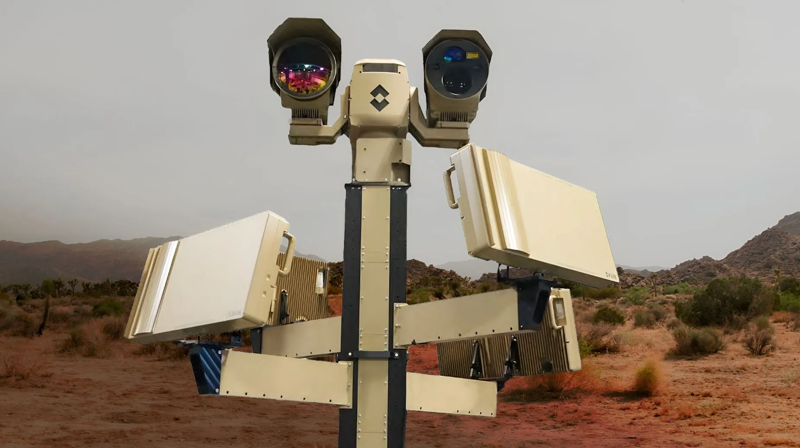
Defense company AeroVironment has won an $80.5 million order from the Joint Interagency Task Force 401 for its Titan MS counter-drone system, expanding the Department of War's efforts to secure critical defense infrastructure and other homeland sites from AI drone swarm attacks.
The award falls under a previously announced $500 million sole-source IDIQ contract and will support the Air Force Global Strike Command's layered defenses against suicide drones attempting to breach airspace over strategic nuclear bases.
"This investment provides operators with the tools to detect, track, and defend against illicit drones," said Col. Jason Idleman, chief of the multi-domain operations division at JIATF-401.
The purchase follows an earlier JIATF-401 order for the Titan system, described as an AI-powered, multi-sensor fusion solution that detects, identifies, tracks, and defeats small drones.
The US-Iran conflict, which exposed U.S. bases in the Gulf to inexpensive drones targeting high-value aircraft, communications systems, and early-warning radar systems, served as a major wake-up call for the military.
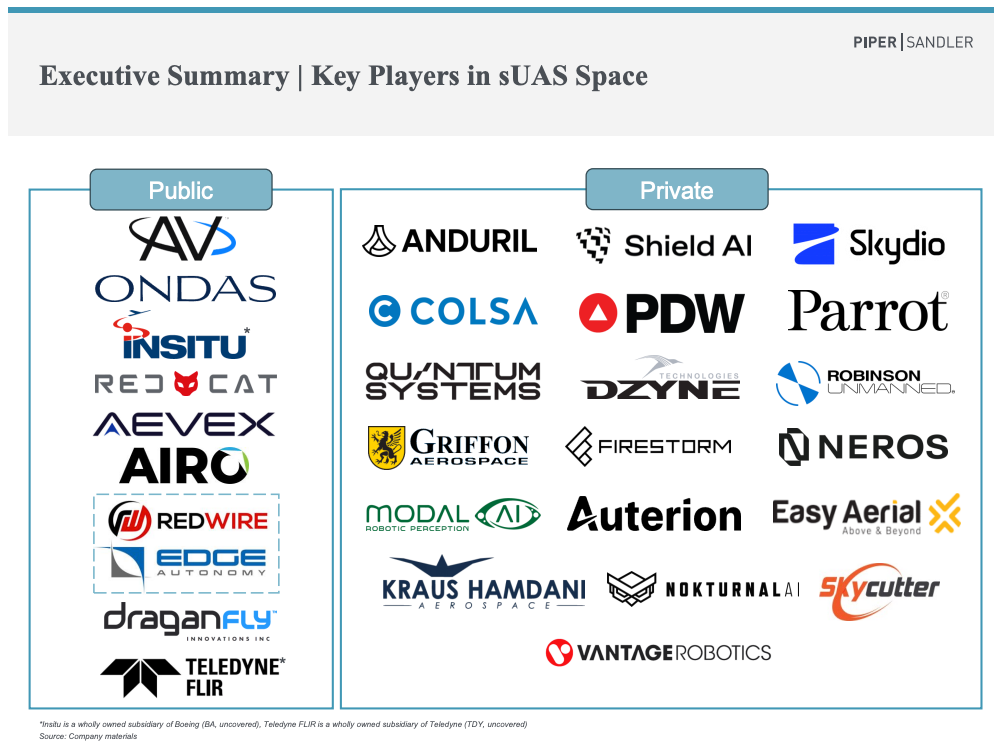
Last month, we published a note to help readers understand the investment landscape and how to profit from the asymmetric warfare boom. Read it here.
Via Piper Sandler analyst Clarke Jeffries:
The race to protect military bases from drone swarms is only one part of the effort. There will also be a massive push to secure critical infrastructure - from power substations and generation plants to data centers, and more. This will create a multi-year boom for companies operating in the counter-UAS space.
Just this week, DZYNE Technologies, a maker of drones, loitering munition-type systems, and counter-drone technology, was sold by its investors to Nasdaq-listed defense and industrial technology firm Ondas Holdings for a handsome profit.
Related Markets
All MarketsMarket data may be delayed. Not financial advice.
How other outlets covered this
Compare allAlto found this story at 3 outlets. Same event, different framing — compare the headlines.
How this story developed
Full timelineAlto has tracked this across 34 days of coverage from 3 outlets.
Powered by Gab AI
The Story At A Glance
Reading this article now — analysis appears below
💡 AI analysis provides alternative perspectives on current events