Meta Used AI To Lay Off Workers With Medical Conditions: Lawsuit
The short version
- The lawsuit was filed Monday in federal court in Oakland, California.
- The employees, who are proceeding anonymously, claim Meta considered factors such as productivity scores and employees' use of AI tools when deciding which jobs to eliminate.
- According to the complaint, this approach penalized workers whose medical leave or caregiving obligations reduced their recorded activity.
- The plaintiffs were informed in May that their employment would end beginning July 22.
- They are asking the court to temporarily halt the layoffs while their discrimination and retaliation claims proceed through individual arbitration.
The story
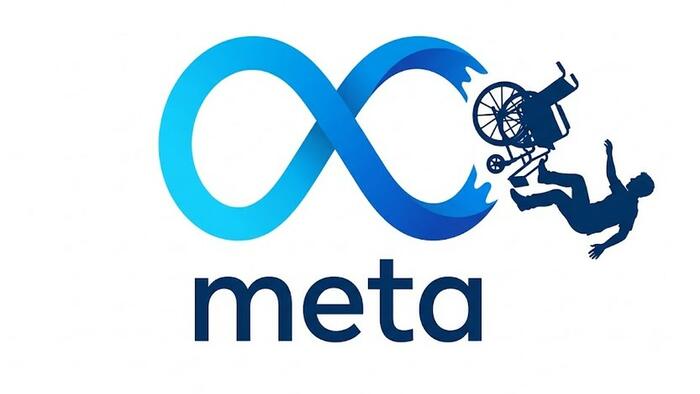
Twenty-six Meta employees have sued the company, alleging that AI-assisted systems used in its layoff process unfairly disadvantaged workers with disabilities, medical conditions, pregnancies, or family-care responsibilities.
The lawsuit was filed Monday in federal court in Oakland, California. The employees, who are proceeding anonymously, claim Meta considered factors such as productivity scores and employees' use of AI tools when deciding which jobs to eliminate. According to the complaint, this approach penalized workers whose medical leave or caregiving obligations reduced their recorded activity.
The plaintiffs were informed in May that their employment would end beginning July 22. They are asking the court to temporarily halt the layoffs while their discrimination and retaliation claims proceed through individual arbitration.
Meta rejected the allegations.
"Workforce management and organizational decisions were and are made by people, not AI," a company spokesperson said Tuesday, adding that the claims have no merit.
The case may be the first lawsuit against a major U.S. employer challenging the alleged use of artificial intelligence in selecting employees for layoffs.
Meta eliminated approximately 10% of its global workforce in May - nearly 8,000 positions - and had reportedly considered additional reductions. Chief Executive Mark Zuckerberg has since said he does not anticipate further company-wide layoffs this year.
The restructuring comes as Meta significantly expands its investment in artificial intelligence and incorporates AI agents into both its products and internal operations.
The lawsuit alleges that Meta used several AI-supported systems to evaluate and rank employees for termination. These reportedly included "Metamate," an internal large-language-model assistant; an employee-trained "second brain" that monitored workplace communications and documents; and a productivity score generated by analyzing activity such as keystrokes, screen content, emails, and browsing history.
The plaintiffs argue that these systems disproportionately affected employees who had disabilities, took protected medical leave, were pregnant, or needed time away to care for relatives. They accuse Meta of violating federal and state laws prohibiting workplace discrimination and retaliation.
They also allege that Meta failed to assess its AI systems for discriminatory bias, as required under recently enacted regulations in California and New York City.
The employees are based in six states, including California and New York, as well as the District of Columbia.
Based on reporting by Daniel Wiessner for Reuters.
Related Markets
All MarketsMarket data may be delayed. Not financial advice.
How other outlets covered this
Compare allAlto found this story at 3 outlets. Same event, different framing — compare the headlines.
- Google News26 Meta employees accuse Mark Zuckerberg of using AI to target 8,000 layoffs against workers on medical, parental or family leave - Fortuneabout 2 months ago
- ZeroHedgeMeta Used AI To Lay Off Workers With Medical Conditions: Lawsuitabout 2 months ago
- APTrump administration has separated dozens of children from their parents for a second time, AP finds3 months ago
How this story developed
Full timelineAlto has tracked this across 4 days of coverage from 3 outlets.
- Meta Used AI To Lay Off Workers With Medical Conditions: LawsuitYou are here
- Meta employees sue on allegations company used AI to target workers on medical, parental leave for layoffs - Fox BusinessGoogle News
- 26 Meta workers sue over alleged AI-aided layoffs targeting employees on medical or family leave - CBS NewsGoogle News
Powered by Gab AI
The Story At A Glance
Reading this article now — analysis appears below
💡 AI analysis provides alternative perspectives on current events