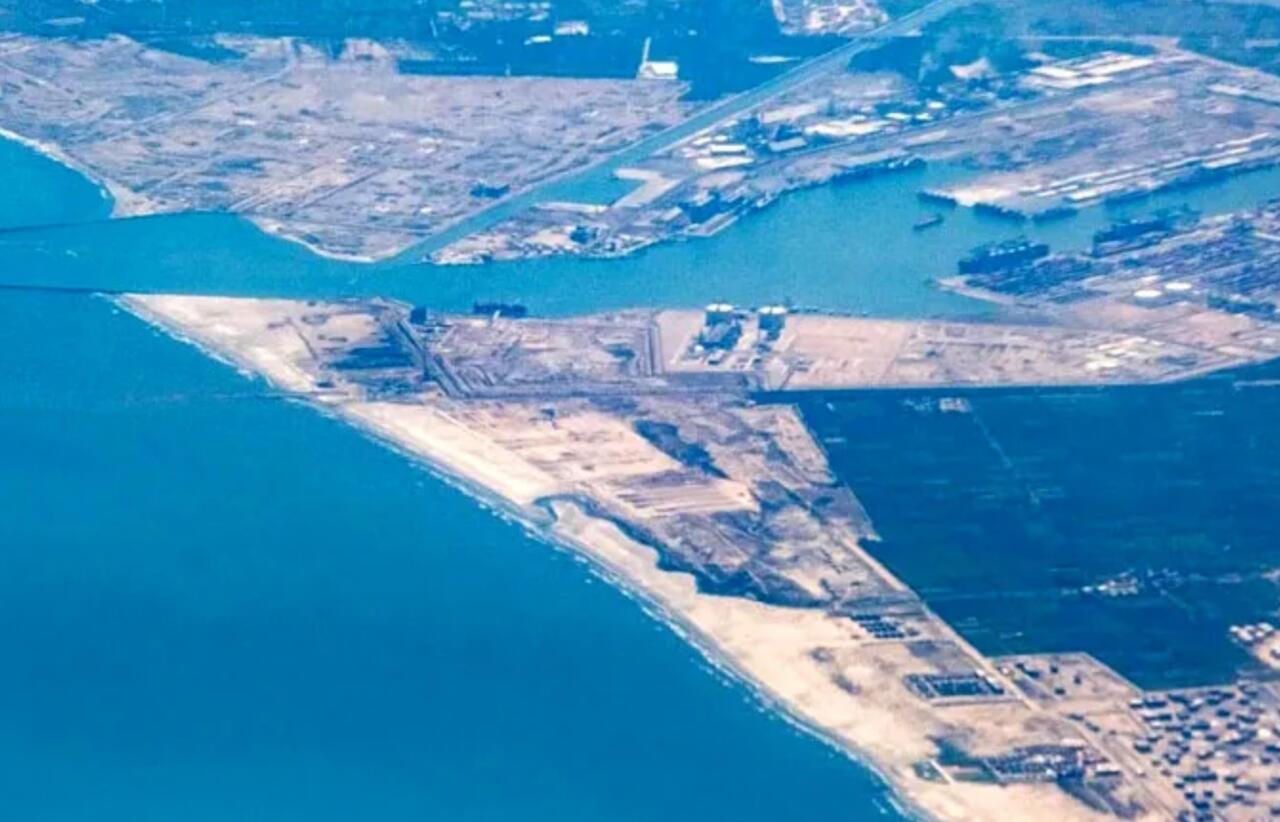
Iran FM Accuses Israel Of False Flag After Mystery Drone Strike On Egyptian Port
The short version
- Even within hours of the incident first being reported by Egyptian authorities, which merely described an industrial fire of unknown cause…
- But Tehran has since vehemently denied it was behind the alleged drone strike, with on Thursday its Foreign Minister Abbas Araghchi issuing a statement raising the prospect of an…
- "Egypt is an important friend and partner in the region, and its security is of utmost importance to us," Araghchi wrote on X.
- "We must all be vigilant against Israeli plots and false-flag operations designed to undermine regional peace .
- " The suggestion from Tehran is that Israel wanted to ensure that all Arab and Muslim-majority states turn strongly against Tehran…
The story
Iran is suggesting that Wednesday's unprecedented drone attack on a US-owned gas-processing vessel moored at Egypt's Mediterranean port of Damietta was a false flag.
Even within hours of the incident first being reported by Egyptian authorities, which merely described an industrial fire of unknown cause, the incident was shrouded in mystery and contradictory reports. Some reports pointed to the Iranians, while others alleged the Houthis may have attacked the Mediterranean port.
Reuters had described, "The drone hit floating storage tanker Energos Winter, causing a fire that then spread to another vessel, Gaslog Salem, three trading sources familiar with the incident said. Two separate security sources said the cause of the blast was a drone strike."
It detailed: "The crew was evacuated, and the fire had been brought under control, Ambrey said, adding that no party had claimed responsibility."
There was widespread speculation that this was the Iranians seeking to demonstrate to the Americans that it can disrupt energy flows across the whole broader region, even into the Mediterranean Sea.
But Tehran has since vehemently denied it was behind the alleged drone strike, with on Thursday its Foreign Minister Abbas Araghchi issuing a statement raising the prospect of an Israeli false flag.
"Egypt is an important friend and partner in the region, and its security is of utmost importance to us," Araghchi wrote on X. "We must all be vigilant against Israeli plots and false-flag operations designed to undermine regional peace."
The suggestion from Tehran is that Israel wanted to ensure that all Arab and Muslim-majority states turn strongly against Tehran, and so put a greater target on the Islamic Republic.
Egypt is an important friend and partner in the region, and its security is of utmost importance to us.
— Seyed Abbas Araghchi (@araghchi) July 30, 2026
We must all be vigilant against Israeli plots and false-flag operations designed to undermine regional peace.
The threat is clear, mutual, and fearful of Muslim solidarity.
Still, there's a lot at stake if yet another regional transit area is threatened, as Reuters newly alludes to: "Even as Iran and its Houthi allies have fired on tankers transiting the Strait of Hormuz and Bab el-Mandeb, Egypt's Suez Canal and Sumed pipeline continued to offer safe, northbound export routes for Saudi Red Sea energy cargoes."
Saul Kavonic, head of energy research at advisory company MST Marquee, has explained, "The passage through the Red Sea, even via the longer Mediterranean route, could be put at risk, which threatens up to five million barrels per day of oil supply that can currently bypass the Strait of Hormuz."
Related Markets
All MarketsMarket data may be delayed. Not financial advice.
Powered by Gab AI
The Story At A Glance
Reading this article now — analysis appears below
💡 AI analysis provides alternative perspectives on current events