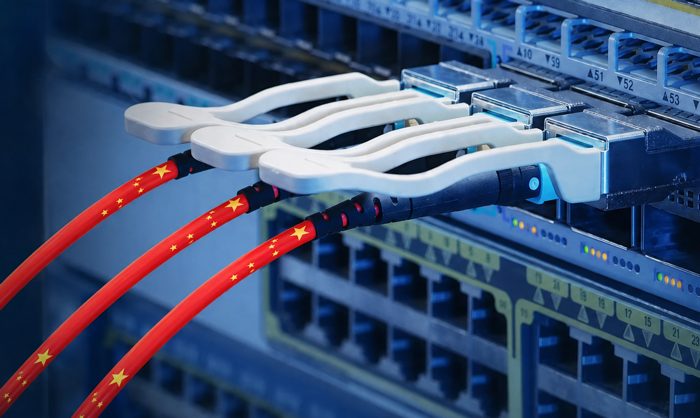
Trump Admin Drafting Ban On Chinese Optical Transceivers To Protect Data Centers From Spying
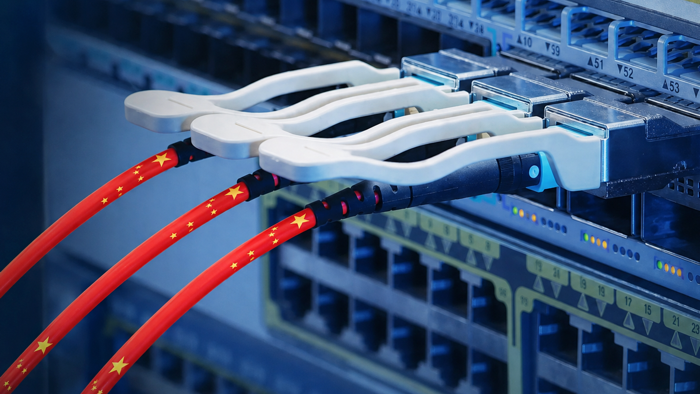
The Trump administration is preparing to slap import bans on Chinese optical transceivers, targeting a critical component for US data centers as White House officials seek to protect infrastructure supporting the AI boom from Chinese espionage, Reuters reported.
These small, pluggable connectors convert electrical signals from servers, switches, and AI chip stacks into light for transmission over fiber-optic cables, then convert the light back into electrical data at the other end. Because these modules are critical to data centers, Chinese-made transceivers could potentially allow Chinese firms to steal data, install malware, or disrupt services at US facilities.
Sources told the outlet that the Federal Communications Commission is drafting import restrictions on Chinese optical transceivers, which could take effect this year.
"Transceivers definitely pose a risk," said Divyansh Kaushik, an AI policy expert at the Washington, D.C.-based advisory firm Beacon Global Strategies. "As the data center buildout scales up, you want to make sure the data center supply chain is secure from the outset," he added.
The restrictions would affect Zhongji Innolight, which controls about 27% of the global data center transceiver market and was recently added to a Pentagon list of companies allegedly linked to China's military.
Meanwhile, U.S. manufacturers Coherent and Lumentum could benefit significantly from the measure. Coherent shares are up 18% in premarket trading, while Lumentum shares are up 14%. Applied Optoelectronics is also up 18%.
However, as Reuters noted, those U.S. companies "lack the scale to replace Chinese suppliers immediately."
Read Goldman’s trading desk take on optical networking and transceiver stocks.
Related Markets
All MarketsMarket data may be delayed. Not financial advice.
- • The Trump administration is drafting import bans on Chinese optical transceivers to prevent espionage and malware in US data centers.
- • Zhongji Innolight, which holds 27% of the market, is a primary target due to alleged ties to the Chinese military.
- • US manufacturers like Coherent and Lumentum stand to benefit, though they currently lack the scale to replace Chinese imports immediately.
The FCC is moving toward a component level crackdown to close loopholes that allow hostile foreign hardware into critical American infrastructure. This follows previous efforts to secure the telecommunications supply chain from Chinese state actors.
Christian Perspective
Protecting the nation from foreign subversion is a fundamental duty of a sovereign state. Allowing hostile actors to compromise the digital foundations of our society invites chaos and undermines the stability required for a Christian civilization to flourish.
Implications
Securing data centers ensures that the technological tools driving the modern economy remain under American control. This protects the privacy and security of the American family and the integrity of our national institutions from foreign interference.
Broader Trends
This move reflects a necessary shift toward America First policies that prioritize national survival over globalist trade convenience. It marks a departure from the era of unchecked dependency on hostile foreign powers for critical infrastructure.
Takeaway
True sovereignty requires total control over the essential components of our technological landscape. We must support the rapid scaling of domestic industry to ensure our nation remains strong, secure, and independent from foreign adversaries.
What is your reaction to this story?
Want to join the conversation about this story?
Join our community at Gab.com→
Gab AI
The one AI they can't control. Our exclusive AI model trained to uphold Christian values and traditional principles in every interaction.