The Byproduct Ate The Product: Inside America's Proteinmaxxing Cheese Glut
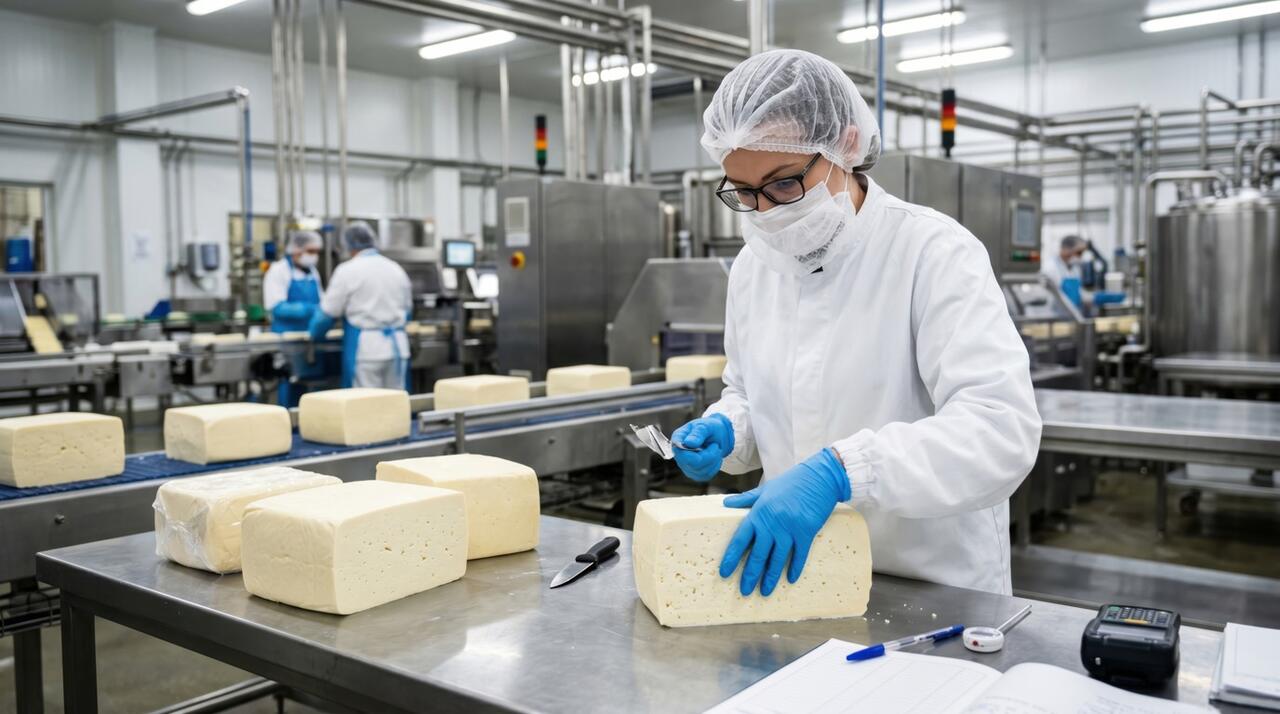
For most of the history of dairy, whey was the stuff you got rid of - the watery byproduct left after milk becomes cheese, fed to hogs or poured out while the actual product went to market. In 2026, with an entire nation proteinmaxxing its way through GLP-1 prescriptions and 40-gram breakfast bars, the 'cheddar' isn't in the cheese itself: America is now producing record amounts of cheese because that's how you get whey.
According to NBC, this has resulted in record-high US cheese production, with processors making more cheese to capture the whey stream and exports absorbing the growing pile nobody specifically ordered. The USDA's latest Dairy Products report shows total cheese output excluding cottage cheese hit 1.28 billion pounds in May, up 2.0% from a year earlier - while the whey side of the ledger ran considerably hotter, with total dry whey production up 12.2% year-over-year and whey protein concentrate up 3.0%. Cheddar output actually fell 1.2% in the same month, which tells you the growth is not being driven by anyone's sudden craving for cheddar.
Whey Cool
The demand shock behind all this has been building for two years. The average US supermarket now carries 38,708 products advertising their protein content, according to NielsenIQ figures cited by AP, as food companies bolt whey onto cereal, chips, bagels, tortillas and coffee drinks to chase consumers who have been told - by their trainers, their doctors, and increasingly their Ozempic prescribers - that every bite needs protein in it. The GLP-1 craze has been a huge catalyst: the drugs suppress appetite so aggressively that getting enough protein becomes a challenge, and a widely-cited concern holds that rapid weight loss on semaglutide strips muscle along with fat. The STEP 1 body-composition substudy found roughly 40% of the weight lost on semaglutide came from lean mass - though how much of that is actual contractile muscle, as opposed to water, glycogen and liver fat that body scans miscount, is contested, with some researchers arguing the muscle loss is no worse than ordinary dieting. Either way, the perception has been enough to send GLP-1 users reaching for protein, and the industry has followed the money.
High-grade whey wholesale prices were up roughly 250% year-over-year by early summer, per that same reporting, and the squeeze got tight enough that US exports of 80% whey protein to China fell 47% in the first four months of the year, with Vesper dairy analyst Jasper Endlich telling AP that exports have been "paused as much as possible" because there is not enough product for American customers. China, displaced from US supply, is now bidding up European whey, which is also short - a global scramble for a substance the industry spent a century treating as drainage.
USDA's own forecasting desk noted the inversion months ago. In its December World Agricultural Supply and Demand Estimates, the department cut its 2026 cheese price forecast to $1.6750 per pound on persistent weakness while raising its 2026 dry whey forecast to 63.50 cents on strong demand - and the cash market has since overshot both calls in the whey-friendly direction. Per USDA AMS's latest National Dairy Products Sales Report, 40-pound cheddar blocks averaged just $1.49 per pound for the week ending July 18, well below the department's full-year forecast, while dry whey fetched 65.3 cents and rising.
Every Boom Builds Its Own Glut
According to dairy economists, whey is now driving a growing share of the farmer's milk check, which creates a direct incentive to overproduce cheese simply to get at the whey - and industry boards are already scouting export markets in Latin America, Asia and the Pacific to offload surplus cheese that domestic demand will not clear at current prices. The new cheese plants under construction are, functionally, protein-extraction facilities that happen to emit cheddar and mozzarella as a co-product, engineered around WPC-80 and isolate output rather than the cheese case.
The precedent the industry itself reaches for is the chicken wing - a low-value scrap until Buffalo, New York found a use for it in 1964, now the part that drives poultry economics. Whey is running the same play at commodity scale, with one difference: every incremental pound of protein powder for the proteinmaxxers arrives bolted to roughly ten times its weight in cheese that somebody, somewhere, will eventually have to eat. Long whey, short whoever ends up holding the gouda.
Related Markets
All MarketsMarket data may be delayed. Not financial advice.
- • US cheese production is hitting record highs primarily to extract valuable whey protein for processed goods.
- • The GLP-1 drug craze has created a massive demand for protein to combat muscle loss during rapid weight loss.
- • Processors are flooding the market with surplus cheese to satisfy the global hunger for whey isolates.
The dairy industry has shifted from producing cheese as a primary food to using cheesemaking as a method for protein extraction. This inversion is driven by the massive consumer trend of "proteinmaxxing" through supplements and fortified processed foods.
Christian Perspective
This trend reflects a culture obsessed with artificial bodily optimization rather than the natural stewardship of God's creation. The reliance on pharmaceutical interventions like GLP-1s to manage weight shows a departure from the biblical discipline of temperance and healthy living. We see a move away from wholesome, God-given sustenance toward chemically engineered, industrial byproducts.
Implications
The prioritization of industrial protein extracts over real food undermines the traditional American diet and the health of the family unit. As corporations manipulate food production to chase pharmaceutical trends, the nutritional integrity of the nation's food supply is compromised. This creates a cycle of dependency on processed additives rather than whole, life-giving foods.
Broader Trends
This shift exemplifies the decadence of a consumerist society that values efficiency and chemical optimization over natural order. It highlights how globalist economic interests prioritize market trends and pharmaceutical profits over the stability of domestic agriculture. The commodification of every biological byproduct is a hallmark of a society losing its connection to the land and its heritage.
Takeaway
Americans should return to whole, unprocessed foods that honor the natural design of the body. We must resist the push toward pharmaceutical-driven nutrition and support local farmers who provide real sustenance. Prioritize traditional dietary habits to build strong, healthy families capable of defending our nation.
What is your reaction to this story?
Want to join the conversation about this story?
Join our community at Gab.com→
Gab AI
The one AI they can't control. Our exclusive AI model trained to uphold Christian values and traditional principles in every interaction.