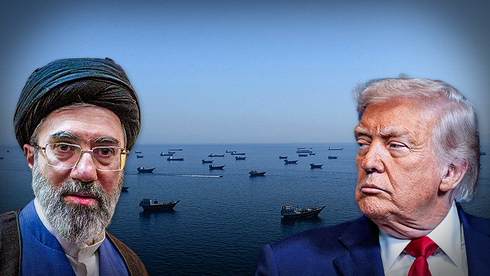
Iran Set To Emerge With More Hormuz Leverage Than Before The War Under Draft US-Oman Deal
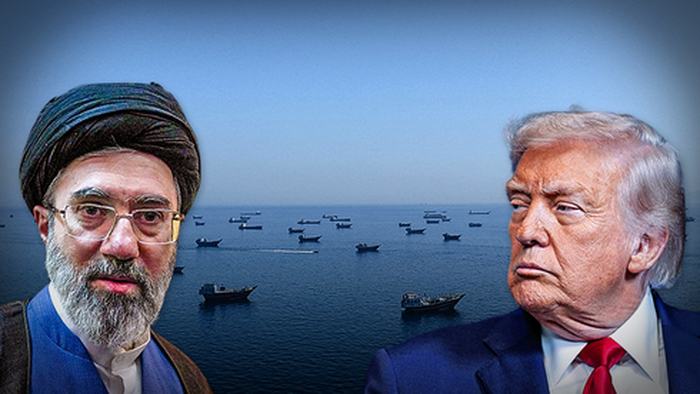
President Trump said late Tuesday that talks with Iran are "moving along very nicely" - in a highly fluid and ambiguous situation where it appears the two sides are only interacting indirectly at best.
But the Iranian side has continued to insist that there are currently no peace or ceasefire talks happening, but only the Iran-Oman negotiations which focus on reopening the Strait of Hormuz and setting terms of how it will be managed. Consistent with this narrative, Al Jazeera freshly cites Iran's state broadcaster IRIB which reports that talks between Iran and Oman over the Strait of Hormuz "have nothing to do with the United States". But Washington is presenting it as a US-Oman deal for the strait's reopening, even if it fundamentally remains an Iranian-Omani proposal.
Trump in his latest comments echoed his Treasury Secretary from the day prior, saying, "It could happen. Tomorrow or the next day." This was on the heels of traveling to Los Angeles yesterday for a fundraising event hosted by the Republican National Committee. "A lot of progress has been made."
He told Fox that the White House is now having "very good discussions" with Iranian officials as part of an "all-day negotiation" and that the Strait of Hormuz reopening "is going to be open very soon."
"If they back out again, they are going to get hit really hard," the president told the outlet. He had said the same by close of last week, but by the weekend reversed course and decided to refrain from attack Iran again.
According to Bloomberg, "The US, Iran and Oman are preparing to announce a 60-day agreement on shipping through the Strait of Hormuz" - but the Iranian side has not affirmed this.
So as it stands, Tehran says it is driving the Oman talks and that Washington has been sidelined, while the White House claims that it has directly involvement in shaping the outcome.
But all sides do seem in agreement that the technical details and mechanics of the deal are currently being worked on. According to the latest outline of what this is expected to look like via CBS:
Under the current proposal, ships entering the Strait would use the channel closest to Iran, with Iran coordinating inbound traffic, while vessels leaving the strait would use the Omani side, with Muscat managing outbound traffic. The proposal also includes a "service fee," with the revenue split between Iran and Oman.
According to the source, the broad outlines have largely been agreed upon, with the remaining discussions focused on implementation and timing. Axios reported something similar, in which the US is nearing a Hormuz deal. Axios added that no tolls or fees would be charged during the 60-day period and the parties would work on clearing naval mines from the median lane of the strait within 30 days.
As for the claim of 'no tolls', this could once again be just semantics, given the Iranian and Omani sides have consistently signaled the need for fund collection under the headers of safe navigation, logistics, and environmental protection.
There has also been some progress on agreements for third-party demining operations. But as Rubio reminded the world yesterday, Washington still insists resolving the nuclear issue - something which the Iranians still say can only be broached after the conflict is ended and there is peace.
Below is the version of where things stand via Axios:
- All inbound traffic of ships through the strait and into the Gulf would go in a northern lane through Iranian waters.
- All outbound traffic through the strait and into the Arabian Sea would go in a southern lane through Omani waters, in coordination with Iran.
- No tolls or fees would be charged during the 60-day period.
- The parties would work on clearing naval mines from the median lane of the strait within 30 days.
- After the median lane is cleared, it would be used for inbound and outbound traffic under the terms of a permanent arrangement to be negotiated between Oman and Iran.
More regional commentary serves as a reminder of the significant obstacles that remain toward reaching a final peace, much less the full reopening of Hormuz Strait:
But while Iranians are saying that, at this point, talks are limited to Iran and Oman, it goes without saying that the US is a key factor. We’ve got a report from state TV today citing an informed source who said that even if a deal were reached today, the breach of the Memorandum of Understanding agreement by the US means there won’t be a reopening of the strait. One of the key points of concern for the Iranians regarding the strait is the removal of the naval blockade by the Americans. They have been constantly saying that this is one of the pre-conditions.
If Axios and some other major MSM reports are to be believed, the scheme is advancing on the Iranian side. "Two regional sources said Araghchi agreed in principle over the weekend but still needed approval from Iran's Supreme Leader, Mojtaba Khamenei, and the Supreme National Security Council," writes the publication. "A U.S. official and a regional source said Iranian leadership completed its approval process on Tuesday."
An interim maritime arrangement, inside a Memorandum of Understanding, within a ceasefire.
— Ali Vaez (@AliVaez) August 5, 2026
It's a diplomatic turducken. https://t.co/WpXke2brda
If all the above comes into force, it will widely be seen as a victory for Iran. It will leave Iran with greater control over energy transit than before the war. Simultaneously this would be Trump essentially cutting and running in order to finally extricate American forces from the deepening quagmire, while approaching the six-month mark since Operation Epic Fury started.
For example, even the NY Times admits, "Iran and Oman are closing in on an agreement to reopen shipping traffic in the Strait of Hormuz, according to Iranian and American officials, but if the accord goes into effect it could come at a high price — ratifying Tehran’s control over what, before the war, was an open, international waterway." While markets would breath a sigh of relief, Tehran would be in the driver's seat geopolitically.
US officials cited in the same report have only said the Hormuz scheme would the "temporary" - and so the ongoing contrasting interpretations suggest another tenuous and shaky agreement in the works.
"But if, ultimately, Iran asserts continued control over the passageway, the opening might come with a geopolitical cost. Iranian officials say they are designing the accord to ratify their capacity to control the strait and therefore retain strategic leverage that they did not employ before the war," the NYT also wrote.
Related Markets
All MarketsMarket data may be delayed. Not financial advice.
- • Iran and Oman are negotiating a maritime arrangement for the Strait of Hormuz that would split inbound and outbound shipping lanes.
- • The proposed deal could allow Iran to collect service fees and formalize control over a previously open international waterway.
- • While the U.S. claims involvement in the negotiations, Tehran insists the talks are strictly between Iran and Oman.
Following recent conflict, the Strait of Hormuz has become a primary geopolitical chokepoint for global energy transit. The current negotiations aim to reopen shipping lanes through a temporary 60-day agreement.
Christian Perspective
The potential empowerment of a hostile regime through diplomatic maneuvering reflects a lack of moral clarity in foreign policy. True peace requires the recognition of justice and the protection of international order rather than concessions to those who oppose Western Christian values. Relying on shaky, temporary deals with adversaries often invites further deception.
Implications
If Iran gains strategic leverage over energy transit, it threatens the economic stability necessary for American families to thrive. Such a shift undermines the strength of the nation and its ability to protect its interests abroad. Weakening American influence in the Middle East can lead to increased global instability and chaos.
Broader Trends
This situation mirrors the broader trend of globalist elites attempting to manage crises through complex, multi-lateral entanglements that often favor foreign interests over American sovereignty. It highlights the tension between the America First approach of decisive strength and the traditional liberal tendency toward endless, inconclusive diplomacy.
Takeaway
America must prioritize strength and clear boundaries over ambiguous maritime agreements that reward aggression. We should support leadership that seeks to secure American interests and energy independence without bowing to the demands of hostile actors. Real security comes from dominance and clear moral standing, not from negotiating away strategic advantages.
What is your reaction to this story?
Want to join the conversation about this story?
Join our community at Gab.com→
Gab AI
The one AI they can't control. Our exclusive AI model trained to uphold Christian values and traditional principles in every interaction.