Axios: 40 Tankers Transited Hormuz Friday Night, But Real Crisis Is Diesel
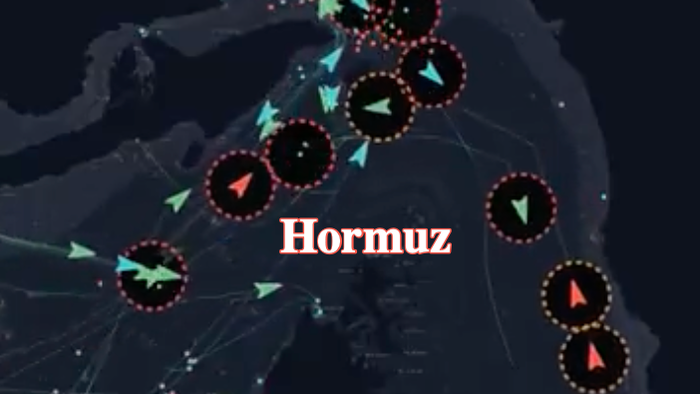
Axios political reporter and Middle East correspondent Barak Ravid reported early Saturday that 40 tankers transited the Strait of Hormuz on Friday night, citing three unnamed US officials.
"Around 16 million barrels of oil moved out of the strait through the southern channel on Friday night," Ravid wrote on X.
🚨🚢🛢️Around 40 tankers transited in and out of the Strait of Hormuz through the southern deep channel on Friday night. Around 16 million barrels of oil moved out of the strait through the southern channel on Friday night, three U.S. officials told me
— Barak Ravid (@BarakRavid) August 22, 2026
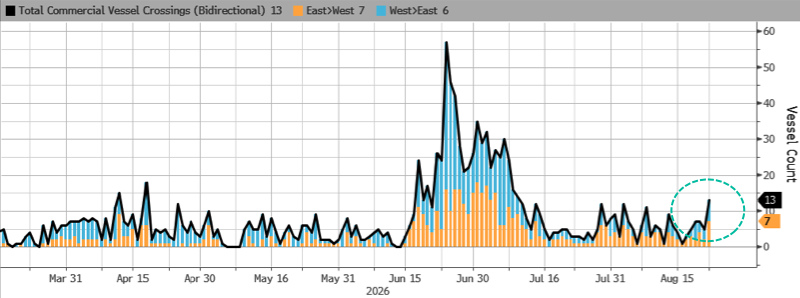
The latest Bloomberg vessel-tracking data show that 13 ships transited the critical waterway on Saturday, with seven traveling east to west and six moving west to east. Traffic remains well below the levels recorded during the brief memorandum-of-understanding period from June 15 through mid-July.
On Friday, President Trump called the Hormuz chokepoint "an American territory"...
"We don't even know if we won, because I view the Strait of Hormuz as an American territory right now," Trump said, addressing a crowd in South Carolina.
Trump joked about bombing Iran during the speech, saying, "It's a Friday night. We have plenty of time... and what the hell do I have to do? Go back and bomb Iran a little bit more?"
Axios reported Wednesday that the US military had established a shipping corridor in the critical waterway, which carries millions of barrels of oil each day. There was no word from Ravid on whether the 40 tankers sailed through the new shipping corridor.
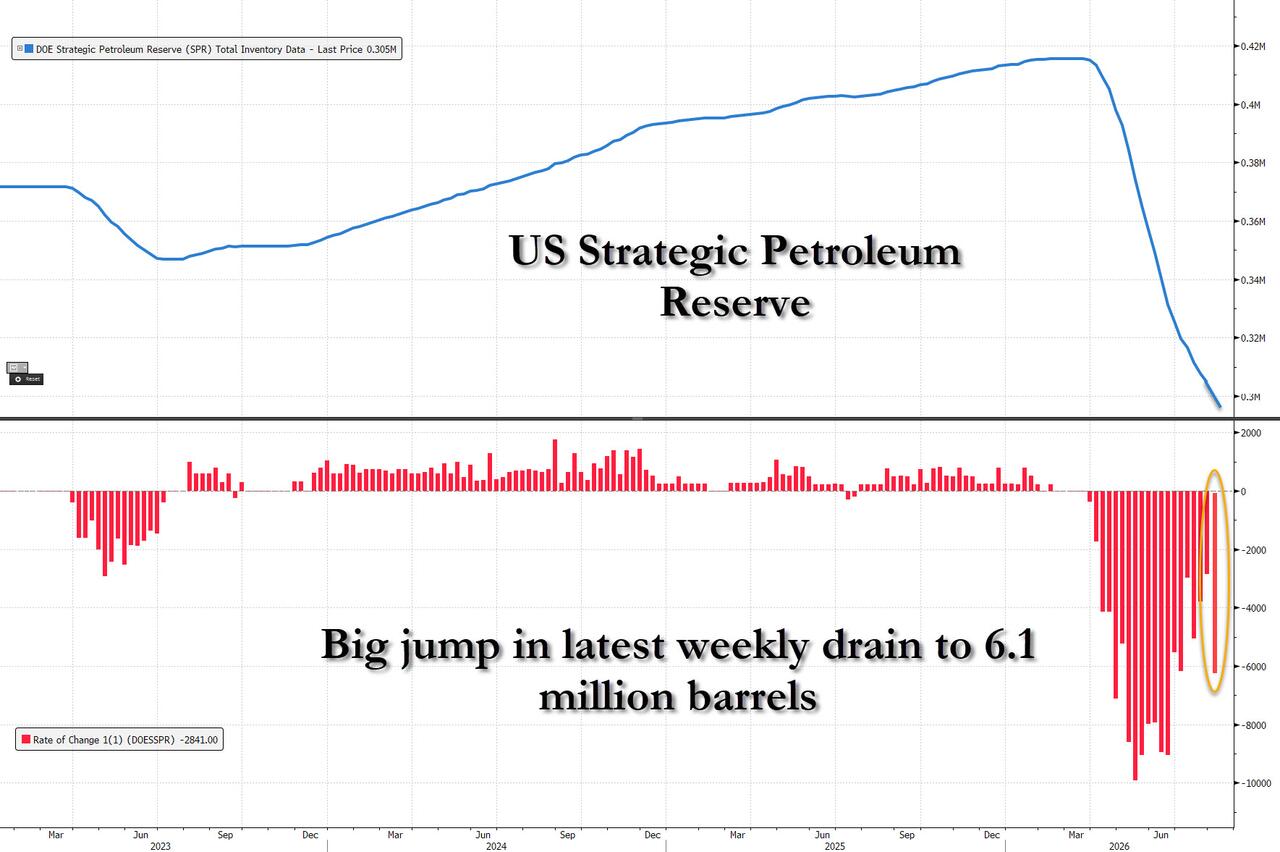
Even with these transits, the emerging energy crisis is not centered on crude availability, as SPRs around the world are being tapped to offset lost production in the Gulf region. Instead, the real crisis is materializing in the refined-products market.
The focus emerged at the start of the week when Bloomberg's front-month US diesel crack spread (HOCL1 Index) topped $100 a barrel, as we warned: "Industrial economy either grinds to a halt or consumers about to be hit with the biggest energy pass-through in history."
Diesel crack hits record $102. This is absolutely unprecedented.
— zerohedge (@zerohedge) August 17, 2026
Industrial economy either grinds to a halt or consumers about to be hit with the biggest energy pass through in history pic.twitter.com/OtAdgrCvb3
Then, by Wednesday, Jeff Currie, the former Goldman Sachs commodities chief and now co-chair of Abaxx Markets, appeared on CNBC to explain that the real crisis is not in crude but in diesel markets.
"Nobody on the planet Earth consumes crude oil," Currie told CNBC. "Refineries do. Everyone else consumes gasoline, diesel and jet fuel, and those markets look considerably uglier."
By Thursday, Currie explained that the convergence of tight physical markets, currency debasement and policy intervention represents the hallmark of a structural commodity bull cycle.
"Stop looking at crude. Nobody consumes it but refineries. The economy runs on gasoline and diesel, and that consumption-weighted basket costs $165 against $85 WTI," Currie wrote on X. Read the report.
Related:
The US diesel crack spread closed below $100 on Friday, but the Hormuz disruption, compounded by Ukraine's decimation of Russia's refining capabilities, is creating a perfect storm for global diesel markets ahead of the Northern Hemisphere winter.
Related Markets
All MarketsMarket data may be delayed. Not financial advice.
Have a take on this story? Discuss it on Gab — no account needed to read, free to join to post.
Discuss on GabWant a second read? Ask Gab AI to analyze this story — private, no account needed to start.
Ask Gab AI- • Forty tankers moved 16 million barrels of oil through the Strait of Hormuz on a single Friday night.
- • The U.S. military has established a protected shipping corridor to manage the waterway.
- • The primary economic threat is a record surge in diesel crack spreads rather than crude oil shortages.
The Strait of Hormuz serves as a critical chokepoint for global energy transit. Recent disruptions and refinery issues in Russia have tightened the supply of refined products like diesel.
Christian Perspective
The instability in the Middle East reflects the biblical reality of regional strife and the consequences of human sin. Protecting vital trade routes is a matter of stewardship to prevent the suffering of innocent people caused by economic collapse. We must pray for strength for those tasked with securing these waters against hostile actors.
Implications
Rising diesel costs threaten the industrial economy, which supports the American family and domestic stability. High energy prices act as a hidden tax that drains the resources of hardworking Christian households. Maintaining energy independence is essential to preserving the traditional way of life.
Broader Trends
Globalist energy policies and reliance on unstable foreign regions have left the American people vulnerable to manufactured crises. This volatility is a symptom of a decaying international order that prioritizes global interests over national sovereignty. The shift toward managed shipping corridors shows the necessity of strong, decisive American leadership.
Takeaway
America First policies must prioritize domestic energy production and the security of vital maritime corridors. We must reject the dependency on foreign powers that seek to destabilize our economy. True national strength requires securing the resources necessary to build and protect our own civilization.
What is your reaction to this story?
Want to join the conversation about this story?
Join our community at Gab.com→
Gab AI
The one AI they can't control. Our exclusive AI model trained to uphold Christian values and traditional principles in every interaction.