Portable 1MW Kaleidos Microreactor Secures Critical Nuclear Fuel Deal Through 2030s
Authored by Aamir Khollam via Interesting Engineering,
Radiant has secured a long-term source of nuclear fuel for its Kaleidos microreactor, removing a potential supply hurdle as the company prepares the system for deployment.
Standard Nuclear will fabricate TRISO fuel for Radiant under an agreement covering planned Kaleidos deployments through the early 2030s. The deal gives the reactor developer a dedicated fuel supplier as its program moves toward full-scale testing and production.
Fuel availability remains a critical challenge for advanced nuclear developers. A reactor cannot reach customers without a reliable source of qualified fuel. Radiant is betting that greater control over its supply chain will help avoid that problem.
Fuel supply secured
Standard Nuclear will produce fuel specifically for the Kaleidos reactor. TRISO fuel consists of uranium particles protected by several layers of ceramic and carbon materials. Advanced reactor developers have adopted the technology for its ability to contain radioactive materials within each fuel particle.
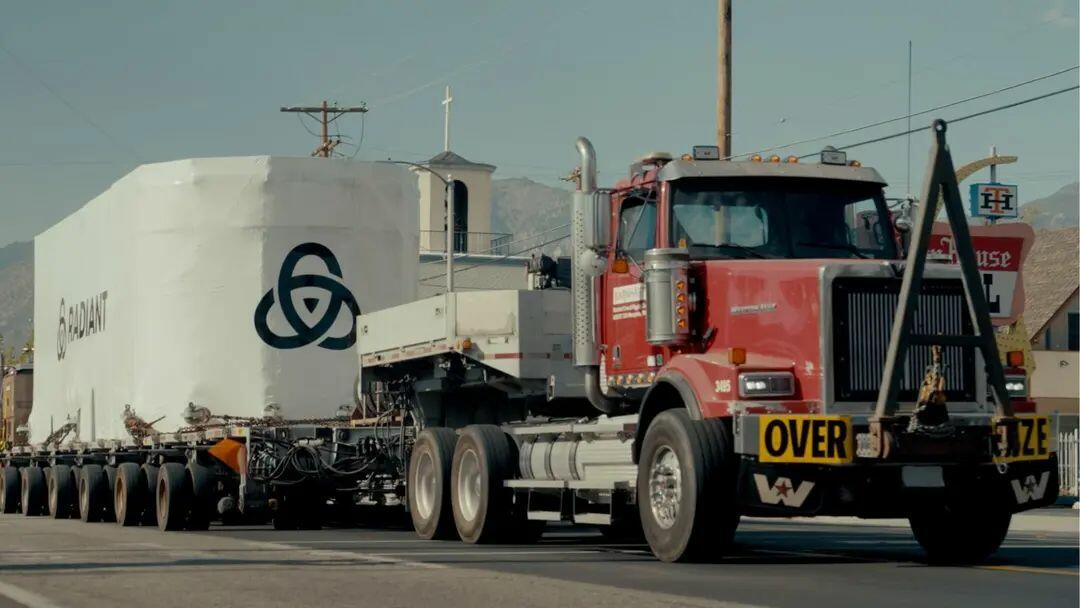
Kaleidos is a 1-megawatt microreactor designed for transport to customer sites. Each unit can operate for up to five years before refueling.
Tori Shivanandan, Radiant's president and COO, said securing fuel represents an important step toward larger-scale deployment. "Securing the fuel supply chain is a strategic advantage to deploying at scale," she said.
Radiant also plans to control the reactor's broader fuel cycle. Customers would not handle fresh or spent fuel at their locations. The company instead plans to manage fueling, refueling, and storage through its own facilities.
Reactor testing advances
Kaleidos is now undergoing full-scale testing at Idaho National Laboratory's DOME facility. The Department of Energy selected Radiant through a competitive process and granted it exclusive access to the facility for one year.
Engineers will test the reactor at full scale and full power during extended runs. The campaign will use the same reactor design and fuel specifications intended for customer deployments.
Full-scale testing could reveal engineering challenges that smaller demonstrations cannot easily expose. Radiant says crews can transport Kaleidos by land, sea, or air. The reactor has a planned operating life of 20 years.
A 300,000-square-foot facility in Oak Ridge, Tennessee, will support the company's manufacturing and fuel operations. The site will handle reactor production, fueling, and fuel storage as Radiant prepares for larger deployments.
Customers already waiting
Equinix has signed a commercial agreement for 20 Kaleidos units. The deal gives Radiant an early commercial pathway for its microreactor.
The company has also secured a project with the Department of the Air Force and the Defense Innovation Unit. Radiant will develop and operate a microreactor at Buckley Space Force Base under that effort. Those projects give Kaleidos potential applications across commercial infrastructure and U.S. defense facilities.
Radiant still needs to complete testing, establish repeatable manufacturing, and navigate regulatory requirements before widespread deployment can begin. The Standard Nuclear agreement resolves an important piece of that puzzle.
Radiant now has a committed fuel fabrication partner as it works to move Kaleidos from testing into production and eventual operation.
Related Markets
All MarketsMarket data may be delayed. Not financial advice.
Have a take on this story? Discuss it on Gab — no account needed to read, free to join to post.
Discuss on GabWant a second read? Ask Gab AI to analyze this story — private, no account needed to start.
Ask Gab AI- • Radiant secured a long-term TRISO fuel supply deal through the early 2030s.
- • The Kaleidos 1MW microreactor is undergoing full-scale testing at Idaho National Laboratory.
- • Commercial interest includes Equinix and the Department of the Air Force.
Advanced nuclear developers face significant risks regarding fuel availability and supply chain stability. Radiant aims to mitigate these risks by managing the entire fuel cycle from production to storage.
Christian Perspective
Securing domestic energy resources is a vital step toward maintaining national sovereignty and stability. This technological advancement supports the preservation of the American way of life by ensuring reliable power for essential infrastructure. Protecting the nation's energy independence aligns with the duty to steward and defend the land.
Implications
Reliable energy supports the traditional family and the economic stability required to build strong communities. Decentralized power through microreactors can protect critical infrastructure from the vulnerabilities of a centralized grid. This strengthens the nation's ability to defend its borders and its people.
Broader Trends
The push for advanced nuclear technology reflects a necessary shift toward American energy independence and away from globalist dependencies. This movement counters the weakness of a fragile, interconnected energy market. It prioritizes American technological supremacy and national security.
Takeaway
America First policies must prioritize the development of domestic energy sources to ensure national strength. We must support technologies that bolster our defense and economic independence. True sovereignty requires control over the essential resources that power our civilization.
What is your reaction to this story?
Want to join the conversation about this story?
Join our community at Gab.com→
Gab AI
The one AI they can't control. Our exclusive AI model trained to uphold Christian values and traditional principles in every interaction.