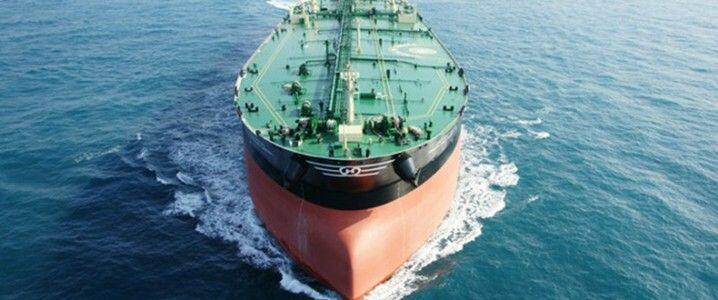
The Iran War Has Turned VLCCs Into $650,000-A-Day Assets

The short version
- Earnings on the benchmark Saudi Arabia-to-China supertanker route surged to a record $647,000 per day on Thursday, according to Baltic Exchange data cited by Bloomberg.
- That is more than ten times the rate a year ago-and nearly 27% above the $510,000 reached just ten days earlier.
- The spike comes as Persian Gulf producers increase crude shipments through the Strait of Hormuz despite the continuing Iran war.
- That should, in theory, ease the oil supply crunch.
- Instead, it has created another one: ships.
The story
Authored by Julianne Geiger via OilPrice.com,
More Gulf oil is moving again. Getting it out now costs a fortune.
Earnings on the benchmark Saudi Arabia-to-China supertanker route surged to a record $647,000 per day on Thursday, according to Baltic Exchange data cited by Bloomberg. That is more than ten times the rate a year ago-and nearly 27% above the $510,000 reached just ten days earlier.
The spike comes as Persian Gulf producers increase crude shipments through the Strait of Hormuz despite the continuing Iran war.
That should, in theory, ease the oil supply crunch. Instead, it has created another one: ships.
Few tanker owners are willing to send vessels through Hormuz, leaving exporters competing for the smaller pool that will take the risk. The result is an extraordinary premium for anyone willing to make the trip.
And crossing Hormuz is increasingly only the first leg.
Producers have begun shuttling crude through the strait before transferring cargoes onto other tankers outside the Gulf. That effectively creates two freight bills-one for getting the oil through Hormuz and another for hauling it onward to Asia.
TotalEnergies CEO Patrick Pouyanne said earlier this week that moving a cargo through Hormuz cost about $20 million. Tanker market participants told Bloomberg those costs have risen further since then.
Even outside the strait, rates are climbing. A tanker traveling from Oman to China now commands roughly $220,000 per day, up from $131,000 a month ago.
The squeeze is being amplified by Houthi attacks in the Red Sea, which have forced Saudi Arabia to redirect some barrels through the Mediterranean and around Africa, adding roughly 30 days to voyages bound for Asia.
There are signs that more oil is escaping the Gulf. Traders estimate Hormuz outflows at 6 million to 8 million barrels per day, while Goldman Sachs puts flows at roughly two-thirds of pre-war levels.
By Julianne Geiger for Oilprice.com
Related Markets
All MarketsMarket data may be delayed. Not financial advice.
Powered by Gab AI
The Story At A Glance
Open the full breakdown on gab.ai
- • VLCC tanker rates on the Saudi-to-China route hit a record $647,000 per day due to war risks.
- • Shipping bottlenecks in the Strait of Hormuz and Red Sea are driving massive freight premiums.
- • Transshipment requirements are forcing exporters to pay double freight bills to move crude.
The ongoing Iran war and Houthi attacks in the Red Sea have disrupted maritime logistics. These conflicts have created a scarcity of vessels willing to navigate high-risk zones.
Christian Perspective
The chaos in the Middle East reflects the biblical reality of regional instability and the consequences of resisting divine order. This economic volatility highlights the fragility of a global system built on secular interests rather than stable, moral governance.
Implications
Rising energy logistics costs will inevitably drive up fuel and consumer prices for American families. This economic pressure threatens the stability of the traditional household and increases the cost of living for the working class.
Broader Trends
Globalist reliance on unstable foreign energy routes demonstrates the danger of a world without strong, nationalist energy independence. The shift in shipping patterns shows how regional conflicts can instantly destabilize the global economic order.
Takeaway
America must prioritize energy sovereignty to protect its citizens from foreign wars and maritime disruptions. Reducing dependence on Middle Eastern oil is essential for maintaining national strength and economic security.
Want to join the conversation about this story?
Join our community at Gab.com→
Gab AI
The one AI they can't control. Our exclusive AI model trained to uphold Christian values and traditional principles in every interaction.