US Limits Its Air Defense Coverage For Tankers Sailing Through Hormuz: Report
The short version
- Since May, Washington has sought to break Iran's control of Hormuz by providing air defense for vessels sailing through the strategic strait along a southern route hugging the…
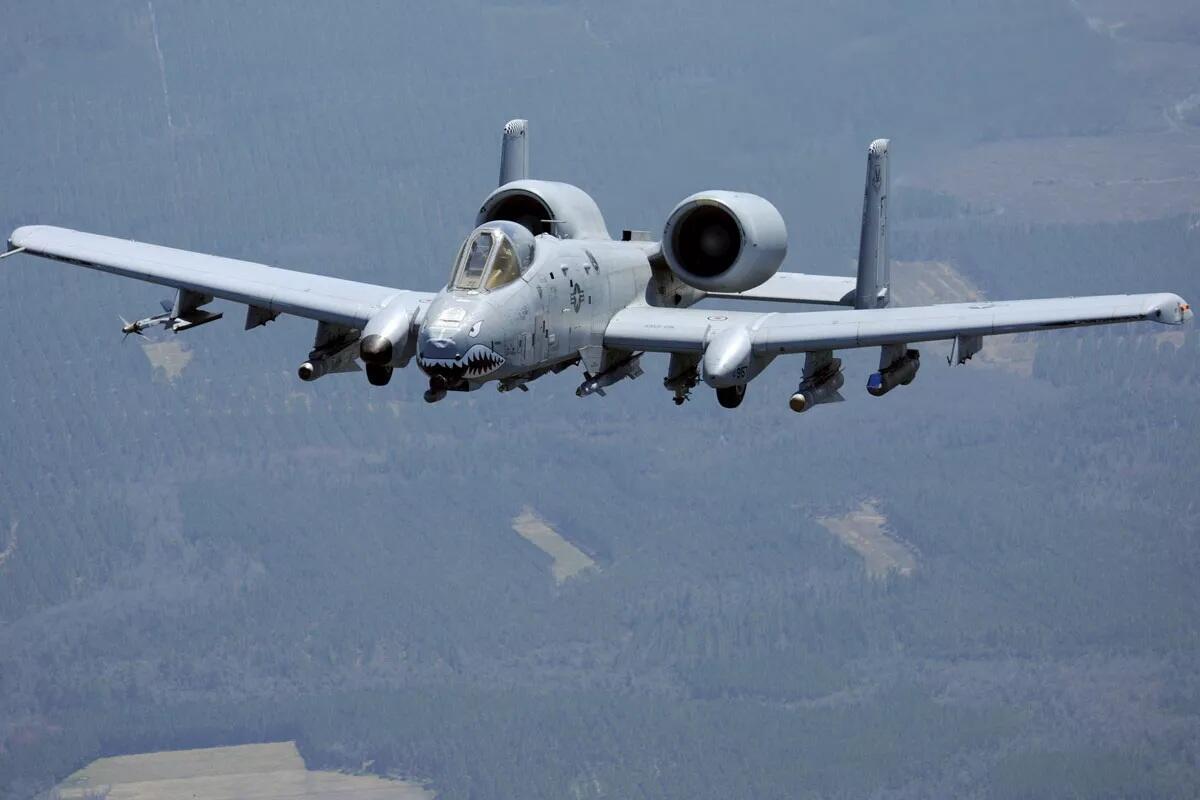
- Image source: US Air Force Iran imposed a blockade on the strait shortly after the US and Israel launched an unprovoked war on the Islamic Republic on February 28.
- However, the US began limiting the time slots in which vessels can receive protection from US aircraft as of the start of this month , FT reported.
- The move comes in response to stepped-up Iranian attacks on ships transiting Hormuz, particularly at night.
- Ships are reportedly advised but not required to sail during the air defense time slots .
The story
The US military has reduced the daily window in which it offers air defense to commercial ships transiting the Strait of Hormuz, the Financial Times (FT) reports on Saturday.
Since May, Washington has sought to break Iran's control of Hormuz by providing air defense for vessels sailing through the strategic strait along a southern route hugging the coast of Oman.
Iran imposed a blockade on the strait shortly after the US and Israel launched an unprovoked war on the Islamic Republic on February 28.
However, the US began limiting the time slots in which vessels can receive protection from US aircraft as of the start of this month, FT reported.
The move comes in response to stepped-up Iranian attacks on ships transiting Hormuz, particularly at night. Ships are reportedly advised but not required to sail during the air defense time slots.
To receive protection, shipowners must apply to a US naval coordination center known as the Naval Cooperation and Guidance for Shipping (NCAGS).
Upon approval, the vessels received coordinates to follow during a broad time window. However, that window was "reduced to two specific time slots daily around the start of September," FT wrote, citing emails NCAGS sent to maritime advisors.
Vessels are now being told to begin their journey at specified times, such as 9:00 am, to receive air defense.
"We are now providing recommended transit times that vary by day. Your vessel is not required to go during these times, but it is encouraged to receive the best support," one NCAGS email said.
"Transiting during a period of darkness has not proven to be the most secure time of day," stated another email, highlighting the increased threat of Iranian attacks at night.
Iranian forces have attacked dozens of vessels attempting to pass through the strait since the beginning of the war, greatly limiting the oil exports of Washington's Gulf allies.
The US responded by imposing a naval blockade on Iranian ports in a bid to block Tehran's own oil exports. Before the war, at least 20 percent of world oil exports passed through Hormuz.
Not only security but also cost considerations may have influenced the US decision to reduce the protected transit window.
Joshua Tallis, a researcher at the Center for Naval Analyses (CNA), stated that it costs the US Navy $25,000 to $75,000 an hour to operate its advanced aircraft.
Both Iran and the US stepped up their attacks on commercial vessels in the region earlier this week. Iran targeted two vessels and eight oil tankers in Hormuz in response to US strikes on five Iranian tankers. The US launched the strikes following an attack by Iran's Islamic Revolutionary Guard Corps (IRGC) on a US warship days earlier.
"These waters aren't safe," stated Michelle Wiese Bockmann, an analyst at maritime intelligence firm Windward. Bockmann estimated that oil exports from Gulf countries other than Iran in August stood at about two-thirds of prewar levels, largely because of exports rerouted through pipelines to bypass Hormuz.
'Reached final stage' – Iran says agreement with Oman close on 'temporary secure passage in Strait of Hormuz' pic.twitter.com/UHFoKlfW5Q
— Syed Ali Salman Bokhari (@SyedAliSalman70) September 8, 2026
Meanwhile, Iranian Foreign Ministry spokesman Esmail Baghaei announced on Saturday that foreign ministers from several Gulf states will meet in Oman on Monday to exchange views on regional issues, including talks between Iran and Oman on designating safe routes for transiting the strait.
Baghaei added he hoped the meeting would improve understanding among regional countries and contribute to joint regional security.
Related Markets
All MarketsMarket data may be delayed. Not financial advice.
How this story developed
Full timelineAlto has tracked this across 2 days of coverage from 1 outlet.
- US Limits Its Air Defense Coverage For Tankers Sailing Through Hormuz: ReportYou are here
Powered by Gab AI
The Story At A Glance
Open the full breakdown on gab.ai
- • The US military has restricted air defense for tankers in the Strait of Hormuz to two specific daily time slots.
- • This reduction responds to increased Iranian attacks on vessels, particularly during nighttime hours.
- • High operational costs for US aircraft are a significant factor in limiting continuous protection.
The US and Israel have engaged in military actions against Iran, leading to Iranian blockades and retaliatory strikes on commercial shipping. This conflict has significantly disrupted global oil exports passing through the strategic strait.
Christian Perspective
The escalating violence in the Middle East reflects a world in spiritual and political decay. The destruction of life and resources in these conflicts is a tragic consequence of regional instability and failed foreign policies.
Implications
Reducing military presence to save costs prioritizes fiscal management over the absolute security of global trade routes. This instability threatens the economic stability required to support a strong, sovereign nation.
Broader Trends
The US is increasingly forced to manage high-cost military engagements that serve interests often tied to foreign allies rather than domestic stability. This pattern demonstrates the drain on American resources caused by prioritizing globalist geopolitical maneuvering.
Takeaway
America First policies should prioritize the protection of national interests and economic stability over expensive foreign interventions. We must focus on securing our own borders and economy rather than subsidizing endless conflict in distant lands.
Want to join the conversation about this story?
Join our community at Gab.com→
Gab AI
The one AI they can't control. Our exclusive AI model trained to uphold Christian values and traditional principles in every interaction.