Commerce Department Finalizes Steep Duties On Solar Imports From India, Indonesia, Laos
The short version
- Anti-dumping margins were set at 123.04 percent for Indian producers, 94.36 percent for Indonesian producers, and 65.43 percent for producers from Laos.
- Indian producers were assigned 126.09 percent.
- Indonesian producers face rates between 73.2 percent and 173.7 percent.
- Lao producers were given rates between 82.03 percent and 153.67 percent.
- The trade case was brought by the Alliance for American Solar Manufacturing and Trade.
The story
Authored by Kimberly Hayek via The Epoch Times,
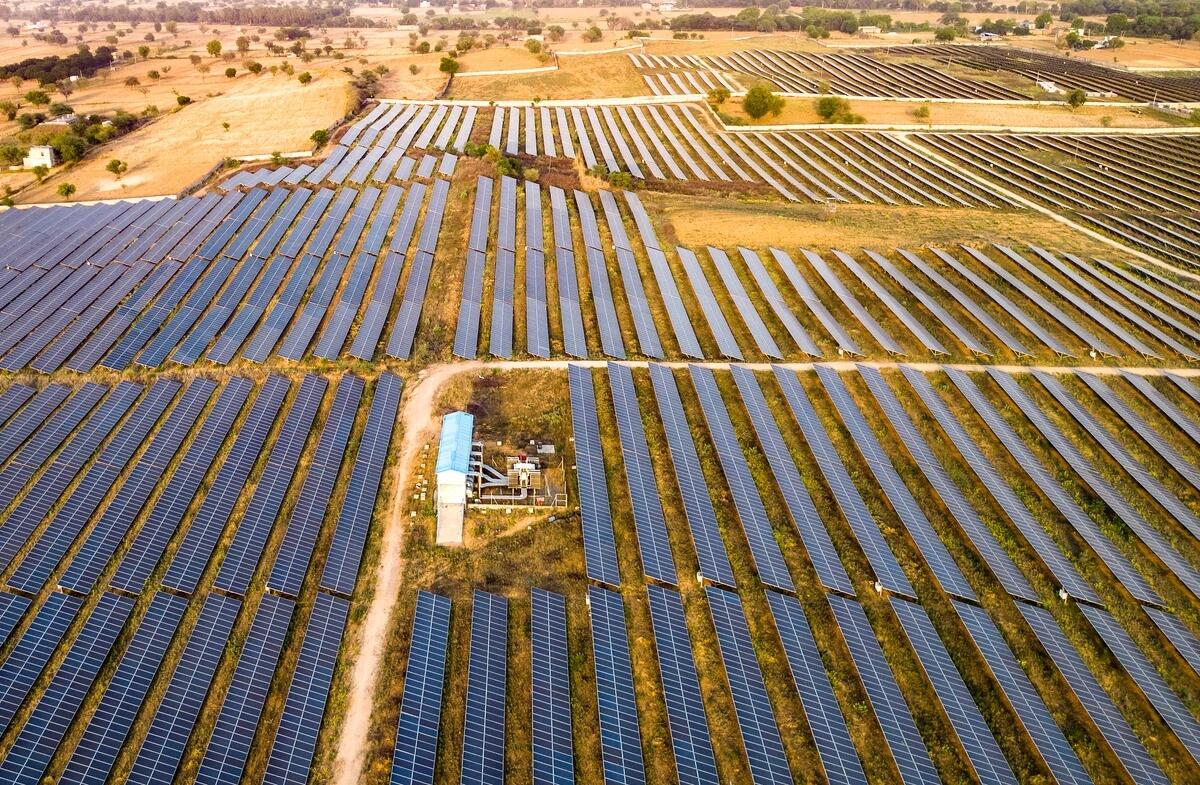
The Commerce Department on Friday finalized steep duty rates on imports of solar cells and panels from India, Indonesia, and Laos, stating that it found that producers in those countries dumped cheap products in the United States and benefited from unfair government subsidies.
Anti-dumping margins were set at 123.04 percent for Indian producers, 94.36 percent for Indonesian producers, and 65.43 percent for producers from Laos.
Countervailing duty rates ran higher. Indian producers were assigned 126.09 percent. Indonesian producers face rates between 73.2 percent and 173.7 percent. Lao producers were given rates between 82.03 percent and 153.67 percent.
The trade case was brought by the Alliance for American Solar Manufacturing and Trade. Members include U.S. manufacturers First Solar, Hanwha Qcells, and Mission Solar Energy.
Friday's final determinations "are an essential step toward enforcing our trade laws and restoring fair competition for U.S. solar manufacturers and the workers they employ," Tim Brightbill, lead attorney for the Alliance, said in a statement.
"We will keep monitoring import data and holding bad actors accountable wherever they move next."
The U.S. International Trade Commission (ITC) is scheduled to make a final determination Oct. 14 on whether the imports materially injured or threatened to injure domestic manufacturers. If the commission votes in the affirmative, the Department of Commerce is expected to issue final duty orders in November.
The United States first imposed anti-dumping and anti-subsidy duties on Chinese solar products in 2012. Manufacturers there shifted production to other Asian countries.
In August 2023, the Department of Commerce found that certain Chinese solar producers shipped products through Cambodia, Malaysia, Thailand, and Vietnam for minor processing to circumvent tariffs that would apply to Chinese imports.
In April 2025, the Department of Commerce announced plans to impose duties of up to 3,521 percent on solar cell imports from those four countries.
The department said companies there were receiving subsidies from the Chinese regime, and that those countervailing duty investigations were among the first in which it made an affirmative finding that companies received transnational subsidies.
The ITC found in May 2025 that the U.S. solar industry was threatened with material injury by the subsidized Southeast Asian imports. New tariffs on products from Cambodia, Malaysia, Thailand, and Vietnam followed in June 2025.
After those four countries were hit, Chinese solar companies expanded across Southeast Asia to places that, at the time, had not drawn comparable U.S. solar trade tariffs, including Laos and Indonesia.
William A. Reinsch, a former Clinton administration trade official and senior adviser at the Center for Strategic and International Studies, described the pattern as "a huge cat and mouse game."
Washington has added other measures to the same supply chain. On Aug. 6, President Donald Trump signed a proclamation establishing a price floor and a 15 percent tariff on imports of polysilicon and related products, including wafers, solar cells, and solar modules. The measures take effect Dec. 4.
Minimum import prices in the proclamation are $21 per kilogram for polysilicon, $100 per kilogram for polysilicon ingots and wafers, 22 cents per watt for solar cells, and 38 cents per watt for solar modules.
"We're setting prices so that the Chinese can't dump anymore, and we're setting tariffs to say build it here," Commerce Secretary Howard Lutnick said after the signing.
America's share of global polysilicon production capacity fell to less than 2 percent in 2024 from 50 percent in 2005, according to the proclamation. Global production has grown by more than 270 percent since 2020. Inventories reached a record 400,000 tons by the end of 2024.
Powered by Gab AI
The Story At A Glance
Reading this article now — analysis appears below
💡 AI analysis provides alternative perspectives on current events