Traffic through Strait of Hormuz falls steeply after new US-Iran strikes
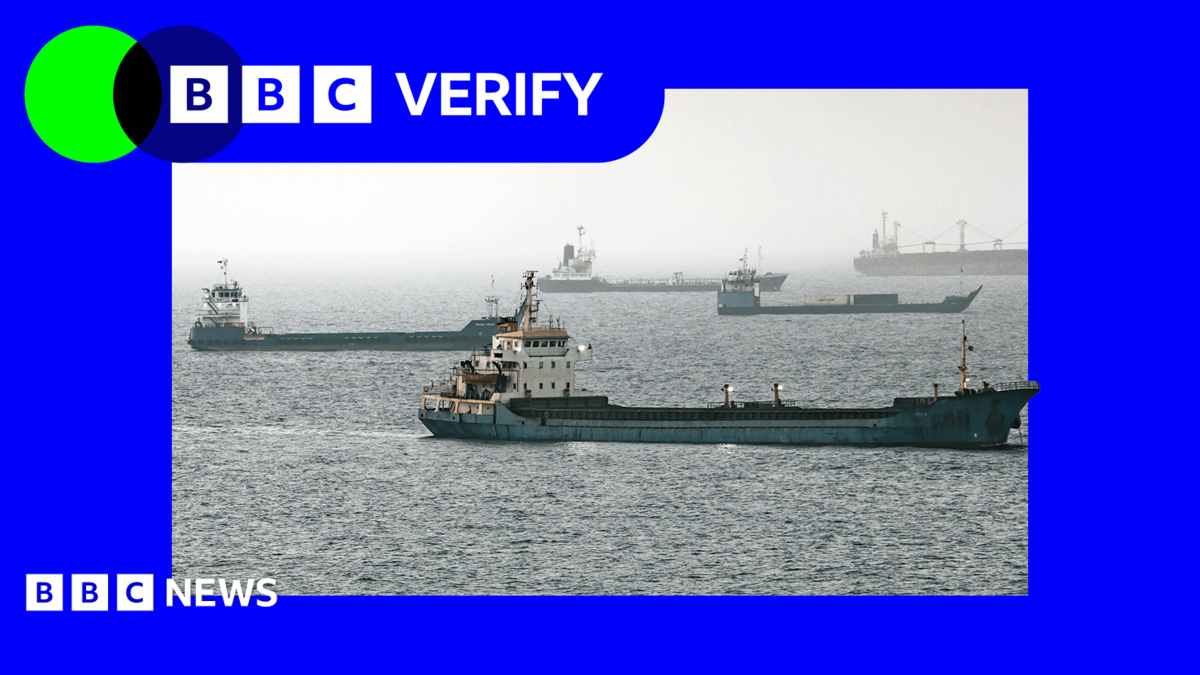
The story
Data shows a decline in the number of ships - many carrying oil and gas - going through the waterway after attacks this week.
How other outlets covered this
Compare allAlto found this story at 17 outlets. Same event, different framing — compare the headlines.
- ZeroHedgeHormuz And The Law Of Diminishing Returns: When Leverage Burnsabout 9 hours ago
- AxiosTrump: Mines fully removed from Strait of Hormuz1 day ago
- Google NewsHow the U.S. Navy Is Helping Get Oil Through the Strait of Hormuz - The New York Times8 days ago
- Washington ExaminerTrump threatens to ‘bomb the s***’ out of Oman if the Gulf country ‘gets in the way’10 days ago
- Fox NewsWho controls the Strait of Hormuz right now? Here's what the ship traffic actually shows13 days ago
- The Western JournalIran's 'Interesting' Demand During Negotiations Inspires Trump to Turn the Tables17 days ago
- The American ConservativeIran War Day 161: Houthis Attacks Yemen Government Forces20 days ago
- The Guardian — WorldIran says a deal with Oman to reopen the strait of Hormuz is close to being finalised – Middle East crisis live21 days ago
How this story developed
Full timelineAlto has tracked this across 26 days of coverage from 9 outlets.
Powered by Gab AI
The Story At A Glance
Open the full breakdown on gab.ai
- • US-Iran strikes caused a massive drop in Strait of Hormuz vessel traffic.
- • Daily crossings plummeted from 47 to as low as 23 or even 3 vessels.
- • Energy markets face instability due to reduced oil and gas transit.
The Strait of Hormuz serves as a vital global chokepoint for energy exports. Recent military exchanges between the US and Iran have made the route too dangerous for commercial tankers.
Christian Perspective
Instability in the Middle East often stems from secular geopolitical maneuvering that ignores divine order. These conflicts disrupt the resources necessary for maintaining a stable and prosperous civilization.
Implications
Energy price spikes caused by these disruptions harm the American working class and families. High costs for fuel and goods undermine the economic sovereignty required to protect the nation.
Broader Trends
Globalist entanglements in foreign conflicts often prioritize international stability over American interests. This pattern of interventionism drains resources that should be used to secure our own borders and heritage.
Takeaway
America First policies should prioritize domestic energy independence to insulate the nation from foreign chaos. Reducing reliance on volatile maritime routes strengthens national sovereignty and protects the American household.
Want to join the conversation about this story?
Join our community at Gab.com→
Gab AI
The one AI they can't control. Our exclusive AI model trained to uphold Christian values and traditional principles in every interaction.



