US wants Iran to pledge to stop shooting at ships in Strait of Hormuz
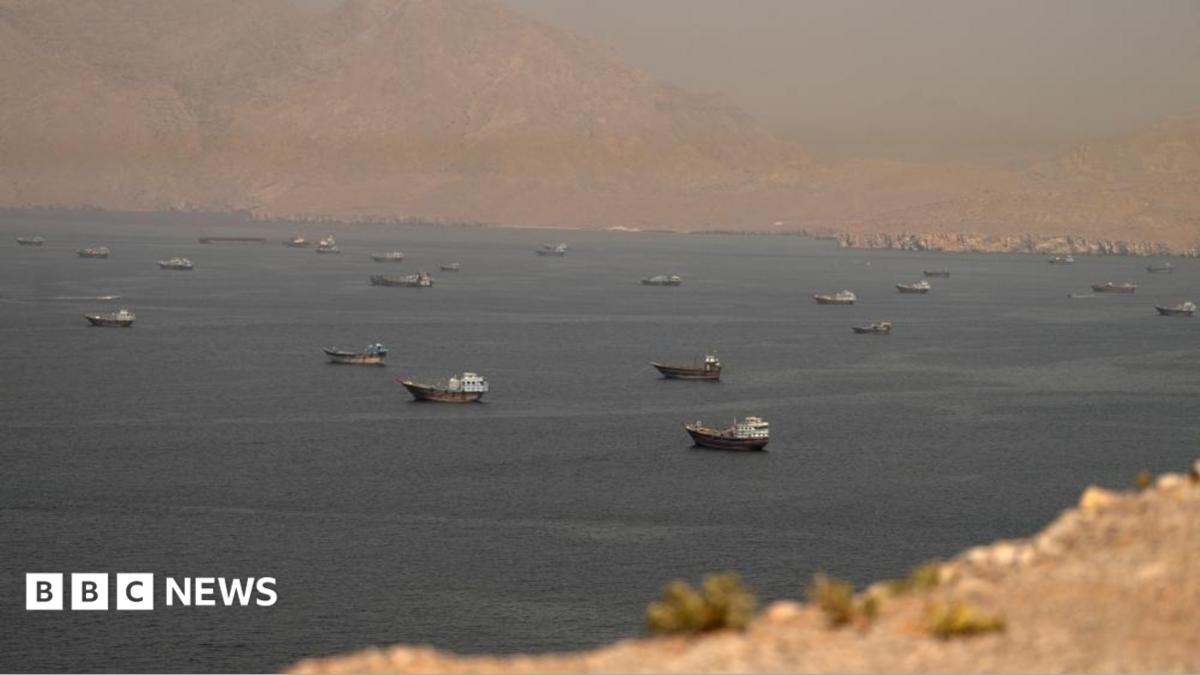
The story
Vice-President JD Vance is among US officials expected to take part in negotiations resuming on Saturday in Oman.
How other outlets covered this
Compare allAlto found this story at 12 outlets. Same event, different framing — compare the headlines.
- Google NewsSix consequences of six months of war in Iran - Reutersabout 4 hours ago
- ZeroHedgeHormuz And The Law Of Diminishing Returns: When Leverage Burnsabout 8 hours ago
- The Guardian — WorldIran faces strait of Hormuz paradox as strategic value of chokehold erodes1 day ago
- AxiosRubio tells allies U.S. shifting from strikes to sanctions on Iran1 day ago
- Al JazeeraIran war live: Trump says he views Strait of Hormuz as ‘American territory’5 days ago
- RedStateTrump Signals the End to Talks With Iran As the US Takes Full Control of the Strait of Hormuz9 days ago
- Washington ExaminerTrump posts map showing Strait of Hormuz as US territory9 days ago
- Fox NewsIran fails to strike deal with US as deadline passes and Trump calls for ‘white flag of surrender'9 days ago
How this story developed
Full timelineAlto has tracked this across 9 days of coverage from 5 outlets.
- Iran faces strait of Hormuz paradox as strategic value of chokehold erodesThe Guardian — World
- Iran and Oman prepare Hormuz deal as U.S. holds back on secondary sanctions - CNBCGoogle News
- Live Updates: Iran and Oman edge toward temporary Strait of Hormuz reopening plan, but Tehran insists U.S. lift blockade - CBS NewsGoogle News
Powered by Gab AI
The Story At A Glance
Open the full breakdown on gab.ai
- • The U.S. is demanding Iran guarantee safe, toll-free passage for commercial ships through the Strait of Hormuz.
- • Oman is mediating negotiations to establish a maritime security arrangement.
- • JD Vance is participating in these talks while maintaining a cautious stance on the progress of the deal.
The Strait of Hormuz is a vital global energy chokepoint for oil and liquefied natural gas. Recent military clashes and attacks on shipping have forced Washington to seek a formal maritime security understanding.
Christian Perspective
Negotiations must prioritize the protection of life and the stability of global resources. Any agreement should be viewed through the lens of national sovereignty rather than globalist concessions. We must remain wary of any deal that empowers hostile regimes at the expense of American security.
Implications
Securing this waterway protects the American economy from energy price shocks that harm working families. Stability in the Middle East prevents unnecessary foreign entanglements that drain our national strength. Maintaining energy independence is a prerequisite for a flourishing Christian society.
Broader Trends
This situation reflects the tension between traditional diplomacy and the America First mandate to avoid endless overseas conflicts. It also highlights the shift toward leaders like JD Vance who prioritize cautious, national interest-driven foreign policy. The movement away from globalist interventionism is becoming more pronounced.
Takeaway
Prioritize American energy security and avoid binding agreements that compromise our sovereignty. Support leaders who demand strength and clarity from hostile nations. Focus on protecting the American hearth and home by minimizing the risks of foreign wars.
Want to join the conversation about this story?
Join our community at Gab.com→
Gab AI
The one AI they can't control. Our exclusive AI model trained to uphold Christian values and traditional principles in every interaction.



