US attacks Iran over ship being hit in Strait of Hormuz; Tehran lashes out again at Gulf Arab states
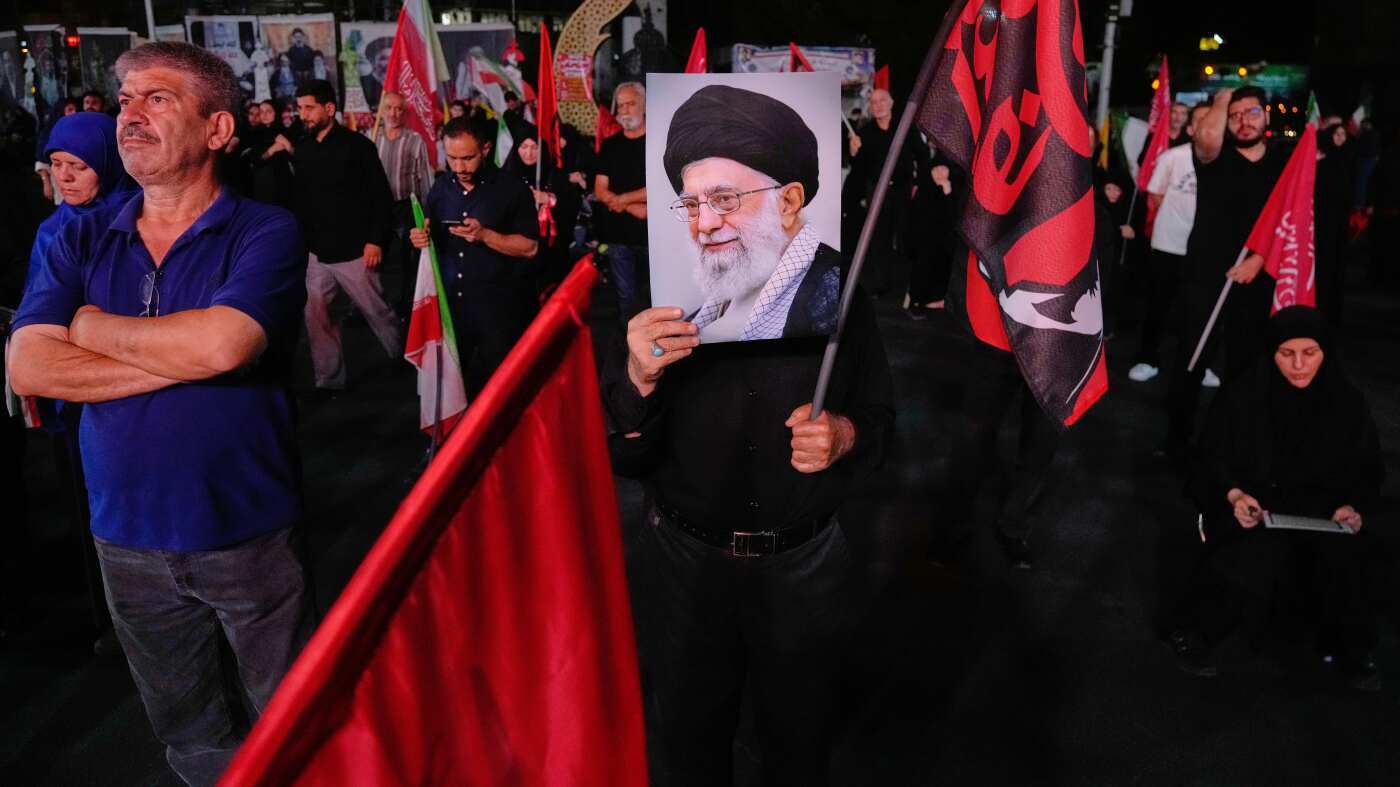
The story
The United States attacked Iran early Sunday morning over an Iranian attack on a vessel in the Strait of Hormuz. Iran apparently responded with strikes targeting Bahrain, Qatar and the United Arab Emirates.
How other outlets covered this
Compare allAlto found this story at 14 outlets. Same event, different framing — compare the headlines.
- ZeroHedgeHormuz And The Law Of Diminishing Returns: When Leverage Burnsabout 4 hours ago
- Google NewsStrait of Hormuz deal inches closer as oil prices dip; US commits to Tehran sanctions - Fox Newsabout 10 hours ago
- The American ConservativeIran War Day 180: Iran, Oman Nearing Deal to Open Hormuz Straitabout 17 hours ago
- Breitbart‘Watershed Moment’: Trump Clears Hormuz Mines, Breaks Iran’s Grip -- ‘Now the U.S. Controls It’about 22 hours ago
- The Guardian — WorldIran faces strait of Hormuz paradox as strategic value of chokehold erodes1 day ago
- Al JazeeraIran war live: Iran says Hormuz remains closed despite Oman route deal1 day ago
- AxiosRubio tells allies U.S. shifting from strikes to sanctions on Iran1 day ago
- Washington ExaminerStrait of Hormuz cleared of all Iranian mines: Trump1 day ago
How this story developed
Full timelineAlto has tracked this across 13 days of coverage from 11 outlets.
Powered by Gab AI
The Story At A Glance
Open the full breakdown on gab.ai
- • US military struck Iran following an Iranian attack on a commercial vessel in the Strait of Hormuz.
- • Iran retaliated by targeting military and energy infrastructure in Bahrain, Qatar, Kuwait, Oman, and the UAE.
- • The conflict threatens global energy corridors and risks a wider regional war.
The Strait of Hormuz serves as a critical chokepoint for global oil and shipping. Recent tit-for-tat strikes between the US and Iran have escalated from maritime incidents to direct attacks on Gulf Arab states.
Christian Perspective
The destruction of life and property in these strikes reflects the inherent chaos of a world without divine order. Christians should pray for the protection of innocent sailors and the stability of nations. We must recognize that regional instability often stems from the rejection of God's established authority.
Implications
Escalating Middle East conflicts threaten American economic stability through volatile oil prices. Such instability can distract the US government from domestic priorities and the protection of our own borders. Maintaining a strong military is essential to prevent globalist interests from dragging our nation into endless foreign entanglements.
Broader Trends
This escalation highlights the failure of liberal internationalism to maintain peace through diplomacy alone. It demonstrates how regional conflicts can quickly disrupt the globalist economic order. The instability underscores the need for an America First approach that prioritizes national security over foreign interventionism.
Takeaway
The US must prioritize its own national interests and avoid being drawn into perpetual Middle Eastern wars. We should support decisive action that protects American commerce and sovereignty without compromising our domestic strength. True peace is found in strength and the preservation of the natural order.
Want to join the conversation about this story?
Join our community at Gab.com→
Gab AI
The one AI they can't control. Our exclusive AI model trained to uphold Christian values and traditional principles in every interaction.



