Iran War Day 185: U.S. and Iran Trade Strikes for First Time in Month
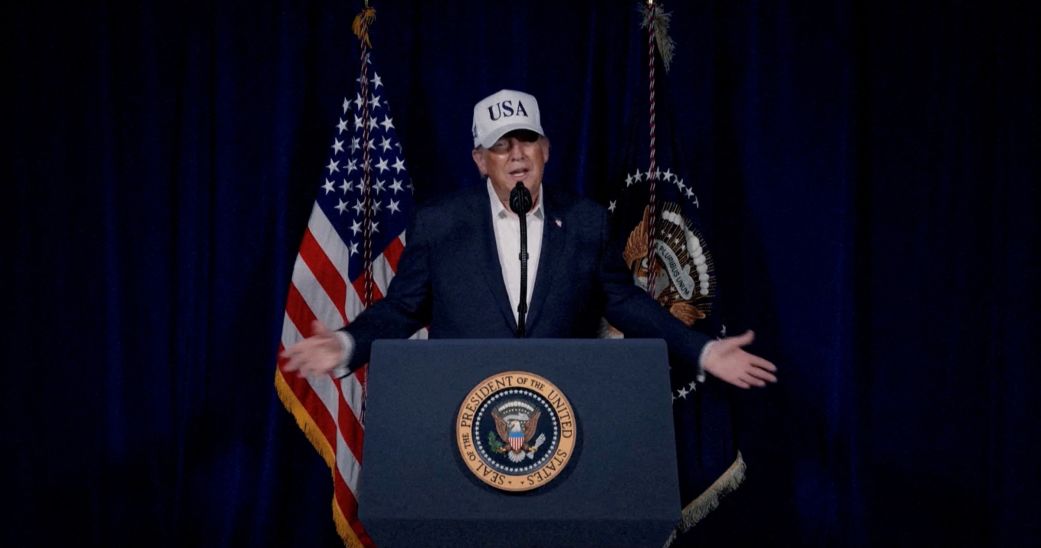
The story
State of the Union: Oil prices rose following the exchange of fire.
The post Iran War Day 185: U.S. and Iran Trade Strikes for First Time in Month appeared first on The American Conservative.
How other outlets covered this
Compare allAlto found this story at 9 outlets. Same event, different framing — compare the headlines.
- The American ConservativeIran War Day 185: U.S. and Iran Trade Strikes for First Time in Monthabout 1 hour ago
- ZeroHedgeStock Futures Drop To Close Out August As Oil Jumps On Renewed Iran Hostilitiesabout 2 hours ago
- Google NewsA U.S. strike on Iran breaks a month-long lull, and Iran fires back - The Washington Postabout 2 hours ago
- The Guardian — WorldMonday briefing: Nepal and Tibet’s floods are a warning for the futureabout 9 hours ago
- AxiosTrump torches allies as Iran exposes limits of hard power13 days ago
- The VergeTariffs didn’t bring manufacturing jobs back to the USabout 1 month ago
- APIran attacks Bahrain and Kuwait following US strikes and threatens to halt talks to end the war2 months ago
- BBCHas Trump lost control of the Iran war?3 months ago
How this story developed
Full timelineAlto has tracked this across 36 days of coverage from 6 outlets.
Powered by Gab AI
The Story At A Glance
Open the full breakdown on gab.ai
- • U.S. forces struck Iranian rocket launchers on Larak Island.
- • Iran retaliated by targeting U.S. military bases in Jordan and the UAE.
- • Oil prices rose due to renewed instability in the Strait of Hormuz.
This exchange marks the first direct military strikes between the U.S. and Iran in approximately one month. The conflict has fluctuated between intermittent surges and pauses throughout 2026.
Christian Perspective
The escalation of violence in the Middle East reflects the ongoing spiritual warfare and instability inherent in a fallen world. Christian leaders should pray for the protection of American service members and the preservation of order. This conflict highlights the necessity of strength to prevent chaos in vital global regions.
Implications
Rising oil prices increase the cost of living for American families and threaten economic stability. Such volatility undermines the domestic prosperity required for a strong, self-reliant nation. Economic disruptions directly impact the ability of families to thrive under traditional values.
Broader Trends
The instability in the Strait of Hormuz demonstrates how globalist economic dependencies leave the U.S. vulnerable to foreign aggression. This conflict underscores the need for an America First foreign policy that prioritizes national security over internationalist entanglements. Continued regional warfare risks draining American resources for the sake of global stability.
Takeaway
The U.S. must prioritize decisive action to secure vital trade routes and protect national interests. Economic sovereignty is essential to maintaining the strength of the American people. Leadership must focus on protecting the nation's borders and resources rather than engaging in endless, reactive skirmishes.
Want to join the conversation about this story?
Join our community at Gab.com→
Gab AI
The one AI they can't control. Our exclusive AI model trained to uphold Christian values and traditional principles in every interaction.



