SpaceX launches extra powerful Super Heavy-Starship test flight as company races toward IPO
The short version
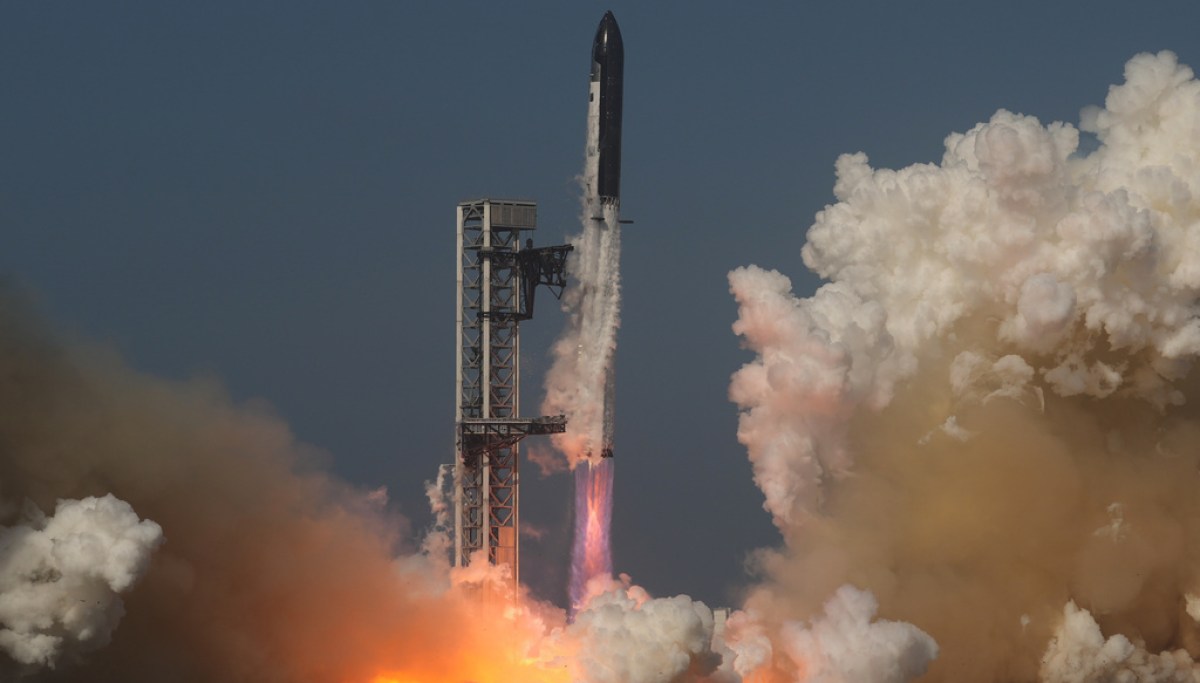
- The 407-foot-tall V3 Starship rocket, designed as the most powerful ever built, blasted off into space from the company’s Starbase facility.
- There were some issues with the booster, which crashed into the Gulf […]
The story
SpaceX successfully launched its Version 3 Super Heavy-Starship rocket from Texas on Friday in a critical test flight for the company’s future. The 407-foot-tall V3 Starship rocket, designed as the most powerful ever built, blasted off into space from the company’s Starbase facility. There were some issues with the booster, which crashed into the Gulf […]
Related Markets
All MarketsMarket data may be delayed. Not financial advice.
How other outlets covered this
Compare allAlto found this story at 7 outlets. Same event, different framing — compare the headlines.
- ZeroHedgeSpaceX Surges Following First Lockup Expiry After Musk Taunts Shorts 14 days ago
- The RegisterSpaceX just about nails Starship test flight 13about 1 month ago
- CBS NewsSpaceX's Super Heavy-Starship blasts off on 13th test flightabout 1 month ago
- Google NewsSpaceX's giant Super Heavy-Starship rocket blasts off on key test flight - CBS Newsabout 1 month ago
- BreitbartElon Musk's SpaceX Scrubs Starship Test Flight Due to Engine Ignition Failureabout 1 month ago
- Ars TechnicaReport: Kennedy Space Center not ready for era of super heavy rockets2 months ago
- Washington ExaminerSpaceX launches extra powerful Super Heavy-Starship test flight as company races toward IPO3 months ago
How this story developed
Full timelineAlto has tracked this across 12 days of coverage from 7 outlets.
Powered by Gab AI
The Story At A Glance
Open the full breakdown on gab.ai
- • SpaceX launched the 407 foot V3 Super Heavy Starship rocket from Texas.
- • The upper stage successfully splashed down in the Indian Ocean.
- • The Super Heavy booster failed a controlled landing and crashed into the Gulf.
SpaceX is utilizing these V3 hardware tests to demonstrate technical maturity ahead of a potential IPO. The company is also integrating next generation Starlink V3 satellites into these missions.
Christian Perspective
Humanity's drive to conquer the heavens reflects the inherent desire to steward the vastness of God's creation. While technological mastery is impressive, it must not lead to a prideful attempt to replace the Creator. We must ensure that space exploration serves the glory of God rather than the vanity of man.
Implications
Advancements in aerospace technology strengthen American hegemony and provide the infrastructure necessary for national survival. Maintaining dominance in space is essential for protecting our borders and communication networks from hostile foreign powers. This technological edge supports the preservation of our sovereign civilization.
Broader Trends
The push for an IPO shows the intersection of high technology and global capital, which can often be controlled by interests that do not align with America First values. As private entities gain more power, we must ensure they remain loyal to the national interest rather than globalist agendas. Technological progress must be harnessed to defend the nation rather than facilitate a borderless world.
Takeaway
Support American companies that prioritize national strength and technological sovereignty. We must demand that our leaders secure the high ground of space to protect our people and our heritage. True progress is measured by how well we defend our God given mandate to lead and protect our nation.
Want to join the conversation about this story?
Join our community at Gab.com→
Gab AI
The one AI they can't control. Our exclusive AI model trained to uphold Christian values and traditional principles in every interaction.