NIH Virologist Vincent Munster Caught Smuggling Deadly Viruses Into U.S., FBI Investigating
The short version
- Thacker via The DisInformation Chronicle , Since the COVID pandemic landed on American shores in early 2020, virologists and allied science writers have engaged in a vociferous…
- When Nature Magazine published a 2021 article minimizing a Wuhan lab accident as the pandemic’s cause, science writer Amy Maxmen quoted Vincent Munster…
- Munster told Nature’s Maxmen that there was nothing suspicious about a novel coronavirus popping up in the same city as the Wuhan Institute of Virology which was studying…
- In fact, virologists regularly collect viruses from far away countries and bring them back to their own cities to study .
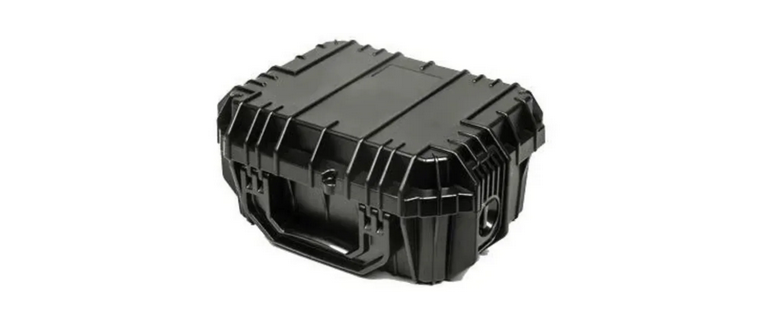
- Inside their luggage, one of the two had a hard-shelled protective case used to transport sensitive property such as electronics and firearms.
The story
Authored by Paul D. Thacker via The DisInformation Chronicle,
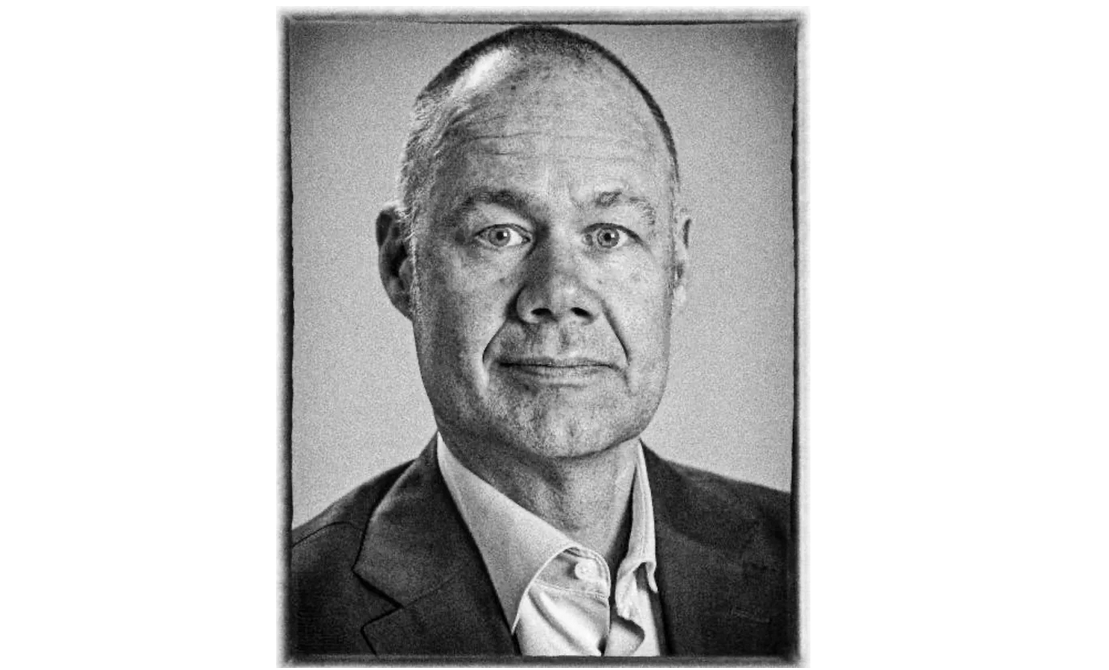
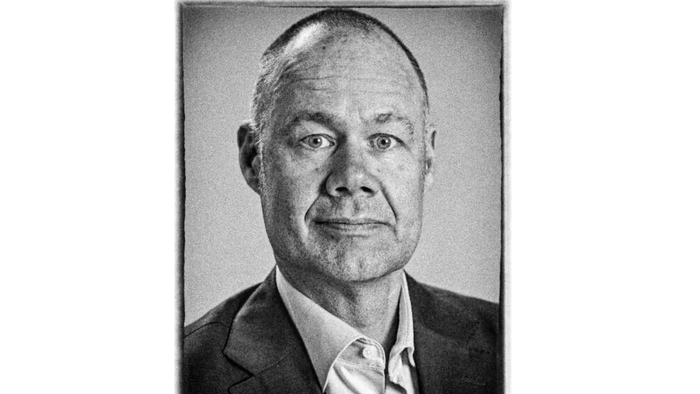
Since the COVID pandemic landed on American shores in early 2020, virologists and allied science writers have engaged in a vociferous propaganda campaign to deny the dangers of virus experiments. When Nature Magazine published a 2021 article minimizing a Wuhan lab accident as the pandemic’s cause, science writer Amy Maxmen quoted Vincent Munster, a virologist at the Rocky Mountain Laboratories, a division of the National Institutes of Health (NIH), in Montana.
Munster told Nature’s Maxmen that there was nothing suspicious about a novel coronavirus popping up in the same city as the Wuhan Institute of Virology which was studying coronaviruses. Labs tend to specialize in the specific viruses found around them, Munster explained, and the Wuhan Institute of Virology focuses on coronaviruses because many circulate in China and neighboring countries.
“Nine out of ten times, when there’s a new outbreak, you’ll find a lab that will be working on these kinds of viruses nearby,” Munster told Nature.
Well, kind of. Sort of. But really not.
In fact, virologists regularly collect viruses from far away countries and bring them back to their own cities to study. And according to emails I have seen that are now circulating inside the Department of Health and Human Services (HHS), one of those virologists is the NIH’s Vincent Munster.
“We are unable to comment as this is under investigation,” wrote HHS spokesperson, Andrew Nixon in an email. “So we will refer you to the FBI.”
When contacted about their investigation into Munster and his NIH researcher, the FBI press office replied by email, “We decline to comment.”
While on a trip back from the Democratic Republic of Congo earlier this year, Munster and a scientist in his NIH lab were pulled aside for an airport security inspection. Inside their luggage, one of the two had a hard-shelled protective case used to transport sensitive property such as electronics and firearms. When the protective case was opened, it was found to contain pathogen samples collected from patients.
However, the human pathogens, which included monkeypox virus, may have been inactivated by reagents and rendered no longer infectious.
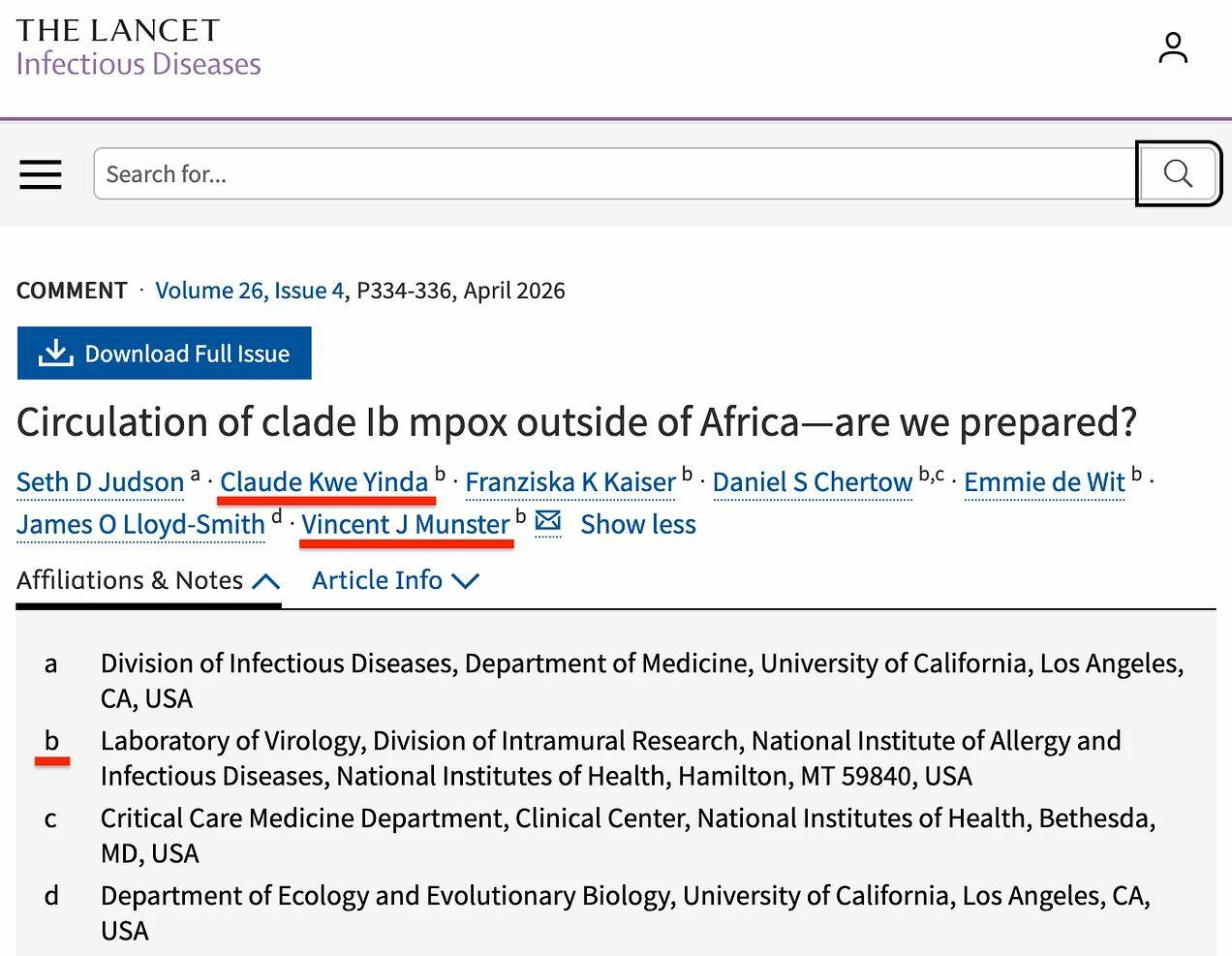
Munster and his NIH research fellow Claude Kwe Yinda published a February study in a Lancet journal that cited monkeypox as a global threat. Without any hint of irony, they warned about “multiple travel-associated cases reported since 2024, including seven in the USA.” The Democratic Republic of Congo has been considered the global epicenter of monkeypox virus, with over 100,000 cases as of October last year.
HHS regulates monkeypox as a “select agent”—microorganisms and toxins that pose a severe threat to public safety. Federal programs control their possession and use, while Department of Transportation regulations manage their shipment and transport.
Munster and his lab scientist did not have paperwork required by law to transport deadly pathogens from Africa to his NIH lab in Montana. Both NIH scientists were placed on leave. Contact information for both Vincent Munster and Claude Kwe Yinda have been removed from the HHS employment directory.
Last year, the Department of Justice charged two Chinese nationals with criminal conspiracy for smuggling a dangerous plant fungus through a Detroit airport so they could study it in a lab at the University of Michigan.
Munster did not return repeated requests for comment sent to his NIH email asking him to explain if the monkeypox and potentially other viruses he was transporting had been inactivated or were still infectious. According to his bio at NIH’s Rocky Mountain Labs in Montana, Munster has field study sites in the Republic of the Congo to study Ebola virus with collaborators at the Wildlife Conservation Society and the Laboratoire National de Santé Publique in Brazzaville.
Rocky Mountain Labs is an integral part of the NIH’s National Institute of Allergy and Infectious Diseases (NIAID), the institute once led by Tony Fauci. The Montana facility has a BSL-4 lab where virologists study the world’s most deadly viruses including Ebola, Marburg, and Lassa Fever.
Andrea Marzi, the Acting Chief of Virology at Rocky Mountain Labs, did not return emails asking if the monkeypox and other possible viruses Munster was transporting had been inactivated or were still infectious. Nor did she reply to requests asking if Munster’s lab had been secured.
Senator Rand Paul sent the NIAID director a letter two years ago regarding Munster, who was listed as a partner for a project called DEFUSE that was submitted in 2018 to the Defense Advanced Research Projects Agency (DARPA). As part of DEFUSE proposal to DARPA, virologists planned to engineer novel viruses by taking the backbone of a bat virus and inserting a spike protein with a furin cleavage site. A furin cleavage site allows viruses to infect the cells of human lungs.
DARPA denied funding for DEFUSE, but the following year, a novel bat virus with a furin cleavage site began infecting humans in Wuhan. No other virus closely related to the COVID virus has this furin cleavage site.
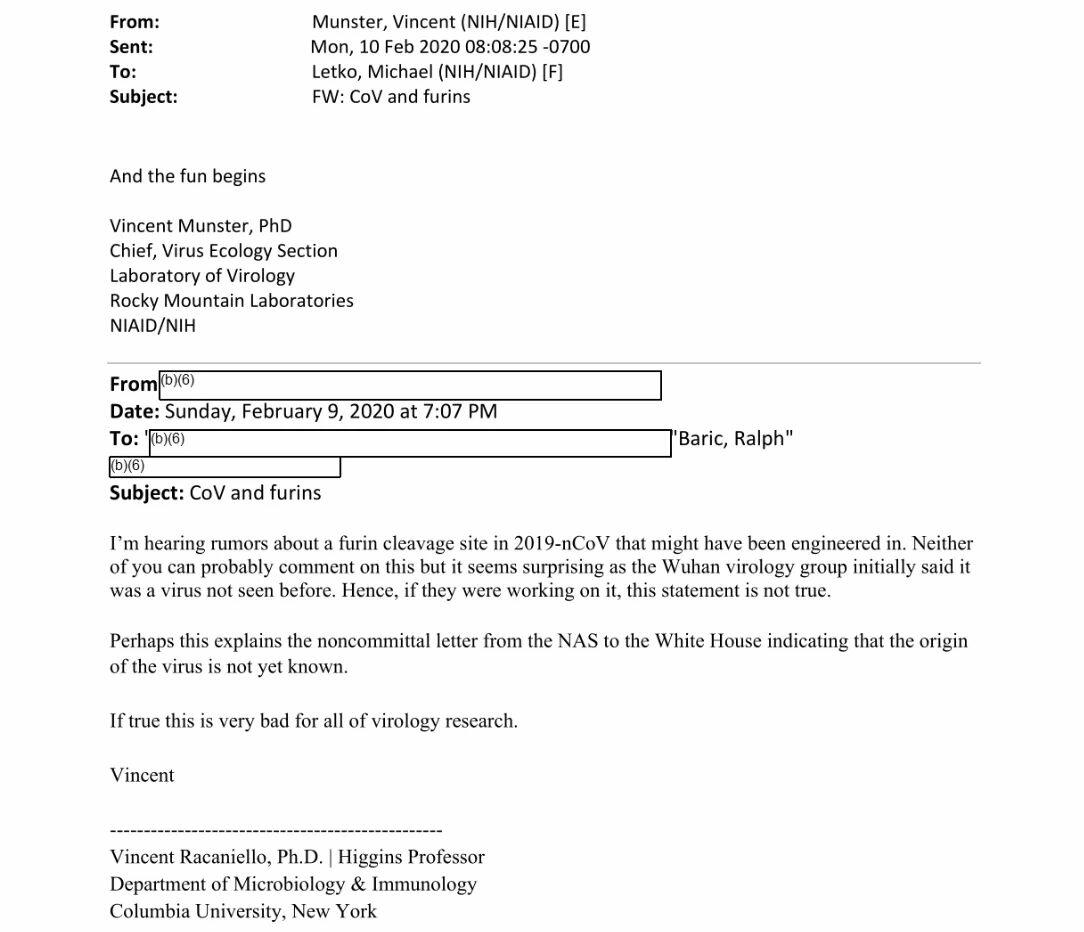
Shortly after the COVID virus began infecting Americans, Columbia University virologist Vincent Racaniello sent Munster an alarming February 2020 email, saying he had heard that the new COVID virus had a furin cleavage site “that might have been engineered.”
“If true this is very bad for all of virology research,” Racaniell wrote to Munster.
“And the fun begins,” replied Munster.
The news about Munster hits during an especially hard media cycle for virologists. I reported last week for RealClearInvestigations that the federal government had quietly removed University of North Carolina virologist Ralph Baric from all his NIH grants; UNC also placed Baric on leave. A senior HHS official, who reviewed the government’s classified material, told me that UNC is terrified the public will learn that they were complicit in starting the COVID pandemic.
“Baric designed the gun,” he said. “But the Chinese built it, and then they pulled the trigger.”
That same day, the Department of Justice indicted Tony Fauci’s senior advisor, David Morens, for concealing federal records concerning funding for virus research during the COVID pandemic. The indictment listed Peter Daszak of EcoHealth Alliance as “CO-CONSPIRATOR 1” and Boston University virologist Gerald Keusch as “CO-CONSPIRATOR 2.”
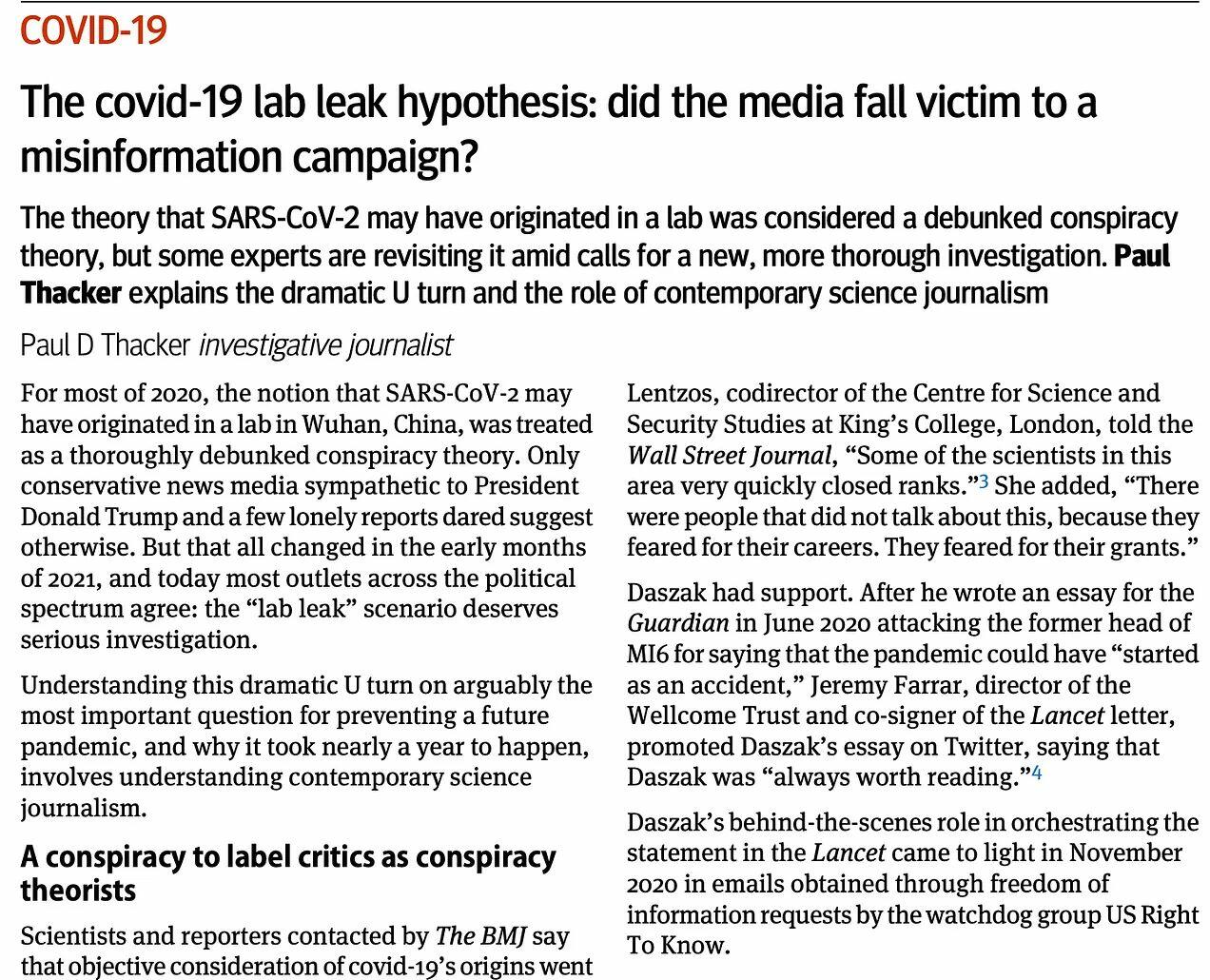
Last month, I reported on newly unearthed emails that show Morens, Daszak, and Keusch plotted against me for writing a 2021 investigation for the BMJ that concluded virologists had conspired in a misinformation campaign to cover up a possible Wuhan lab accident as the COVID pandemic’s cause.
In emails discussing me and my 2021 article, Keusch asked Morens and Daszak if they knew how to get in contact with former BMJ editor Peter Smith to complain. Daszak emailed back that contacting the BMJ about me was “a really good move” as my reporting was “pretty offensive stuff.”
Related Markets
All MarketsMarket data may be delayed. Not financial advice.
Powered by Gab AI
The Story At A Glance
Reading this article now — analysis appears below
💡 AI analysis provides alternative perspectives on current events