With 4,900 AI Data Centers, There's Likely One Coming To Your Neighborhood
.jpg?itok=2X0mBkKo)
The short version
- More than one-third of Americans now live within a few miles of at least one data center.
- That proximity means many development projects are not going smoothly, as residents raise questions about the unknown effects on their resources.
- Both residents and developers who spoke to The Epoch Times pointed to transparency as a key issue.
- The developers also said they are working to address residents’ concerns at the planning stage, adding safeguards to reduce water and energy requirements.
- Meanwhile, grassroots opposition to data centers is gaining momentum going into the 2026 elections.
The story
Authored by Mary Prenon via The Epoch Times (emphasis ours),
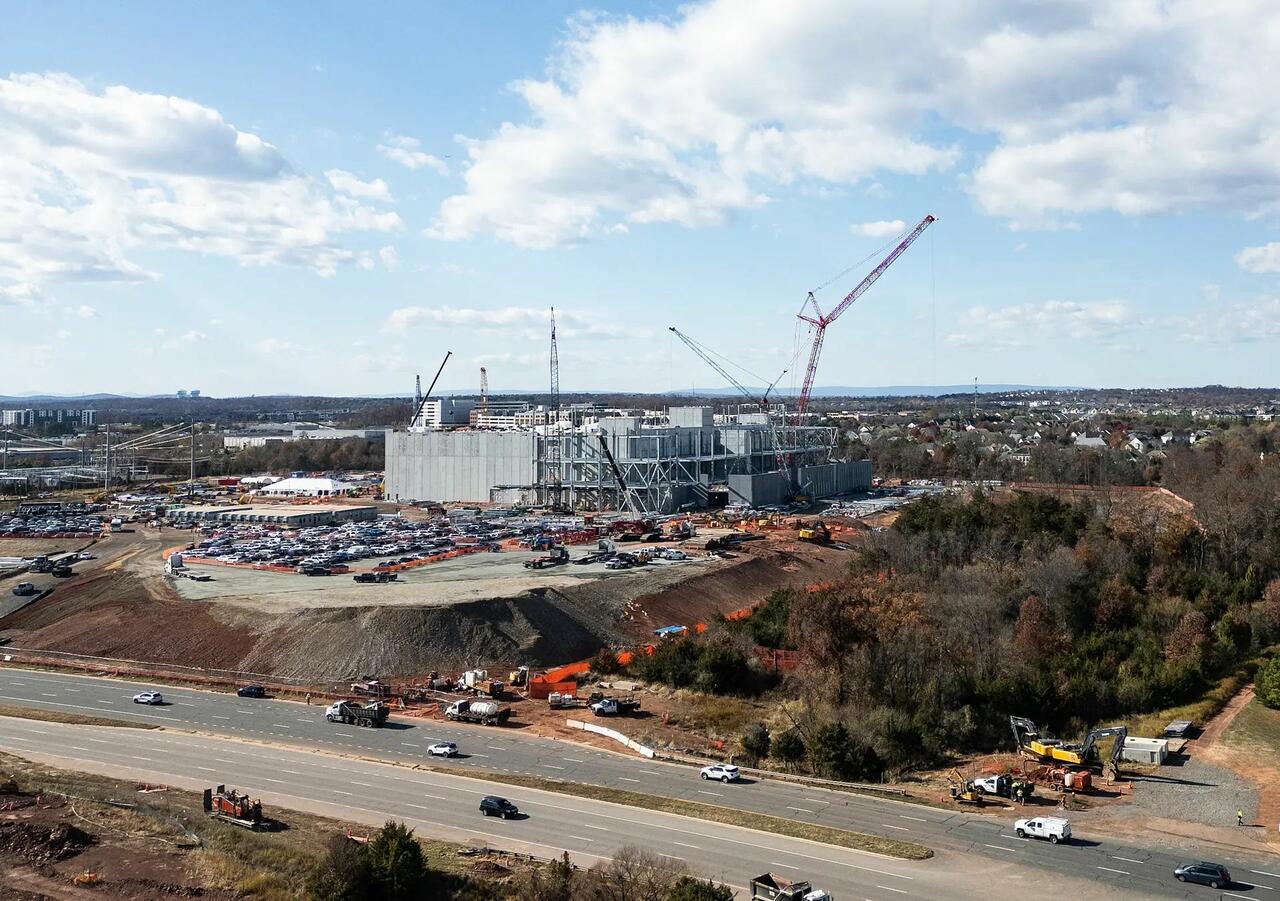
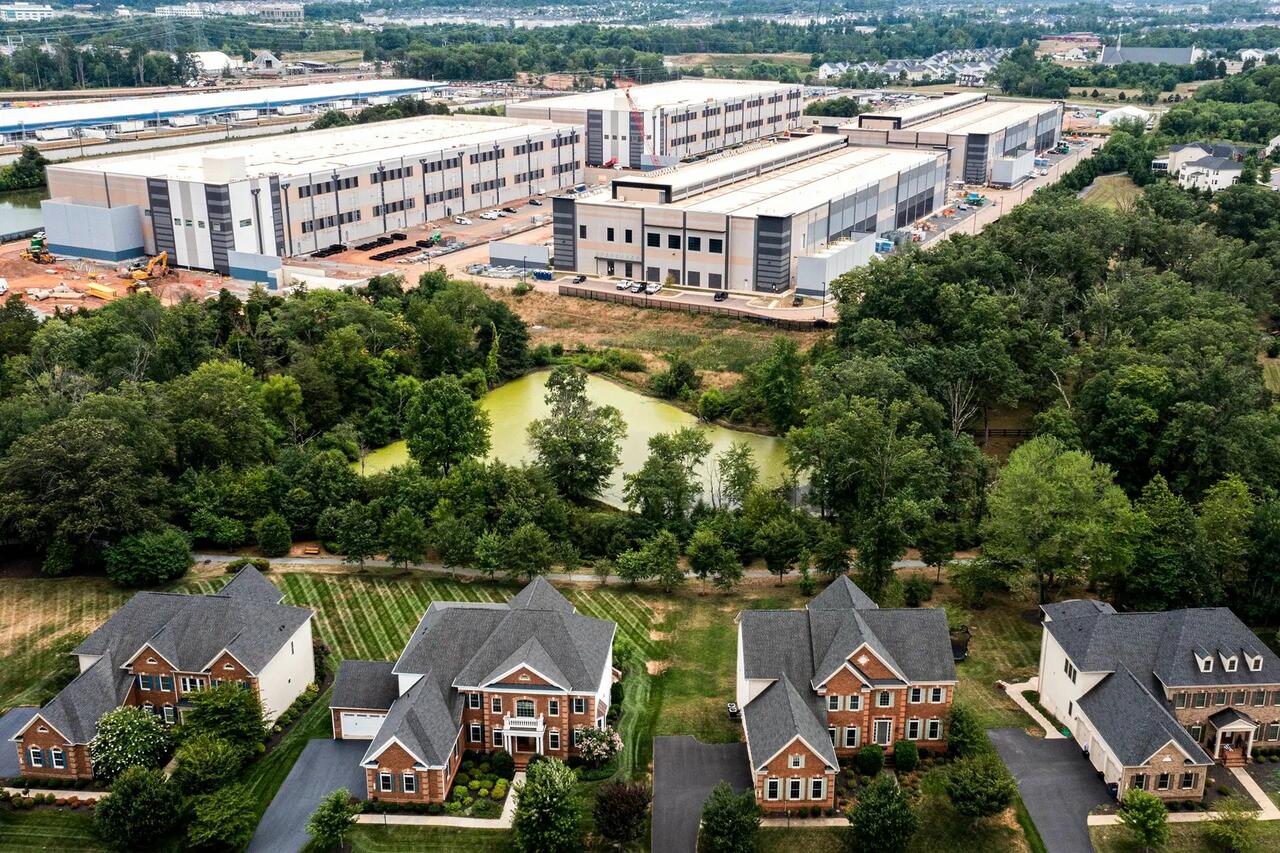
As artificial intelligence continues to permeate everyday life, the data centers needed to support the burgeoning technology are popping up across America - many close to residential areas. More than one-third of Americans now live within a few miles of at least one data center.
That proximity means many development projects are not going smoothly, as residents raise questions about the unknown effects on their resources. Both residents and developers who spoke to The Epoch Times pointed to transparency as a key issue.
The developers also said they are working to address residents’ concerns at the planning stage, adding safeguards to reduce water and energy requirements.
Meanwhile, grassroots opposition to data centers is gaining momentum going into the 2026 elections.
Built in Clusters
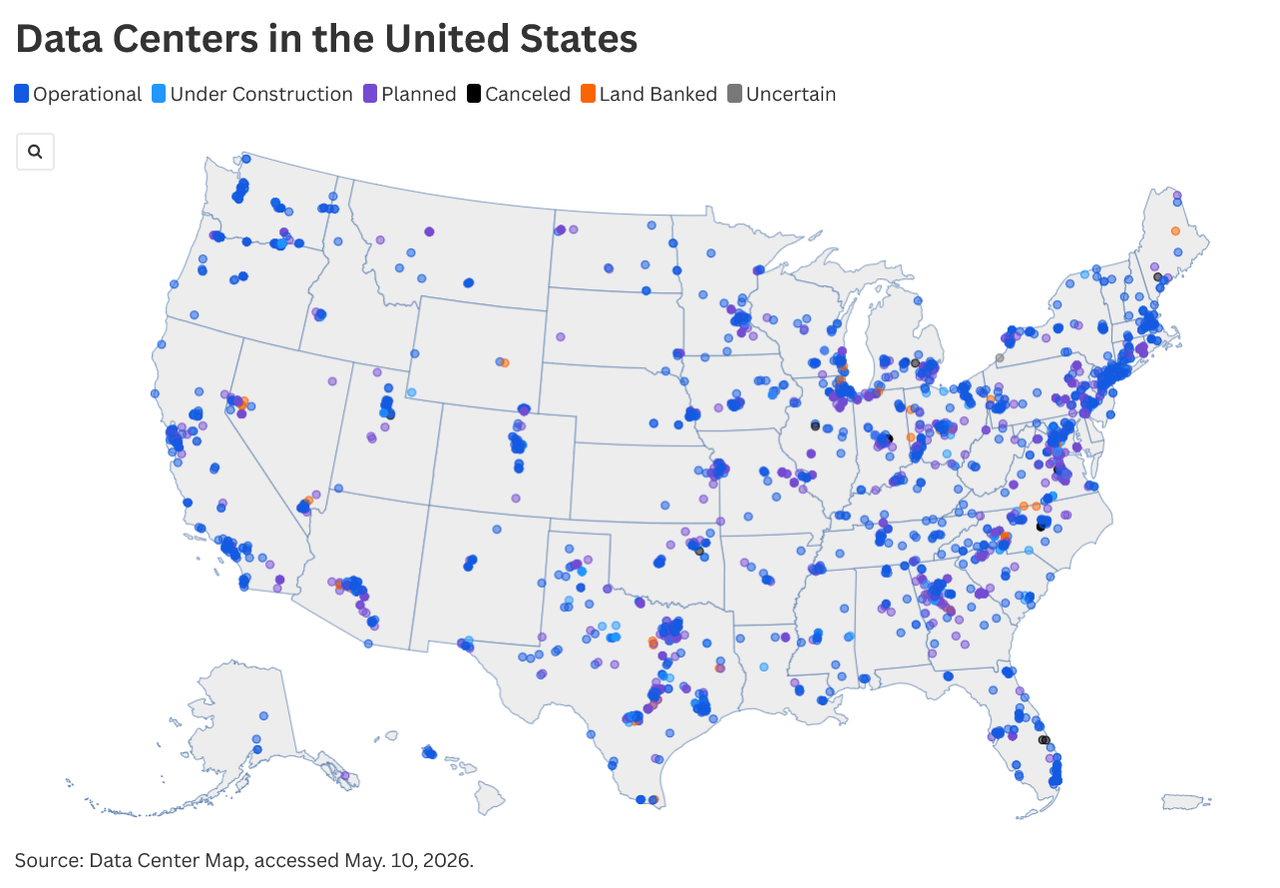
The United States currently has more than 3,100 data centers in operation and more than 1,800 in various stages of development, according to data provided by infrastructure intelligence and mapping platform Data Center Map.
Virginia, Texas, and California lead the nation in the number of data centers, according to the data. Virginia alone has a combined total of 711 currently operational, under-construction, and planned centers. Texas has a combined total of 544, and California, 333.
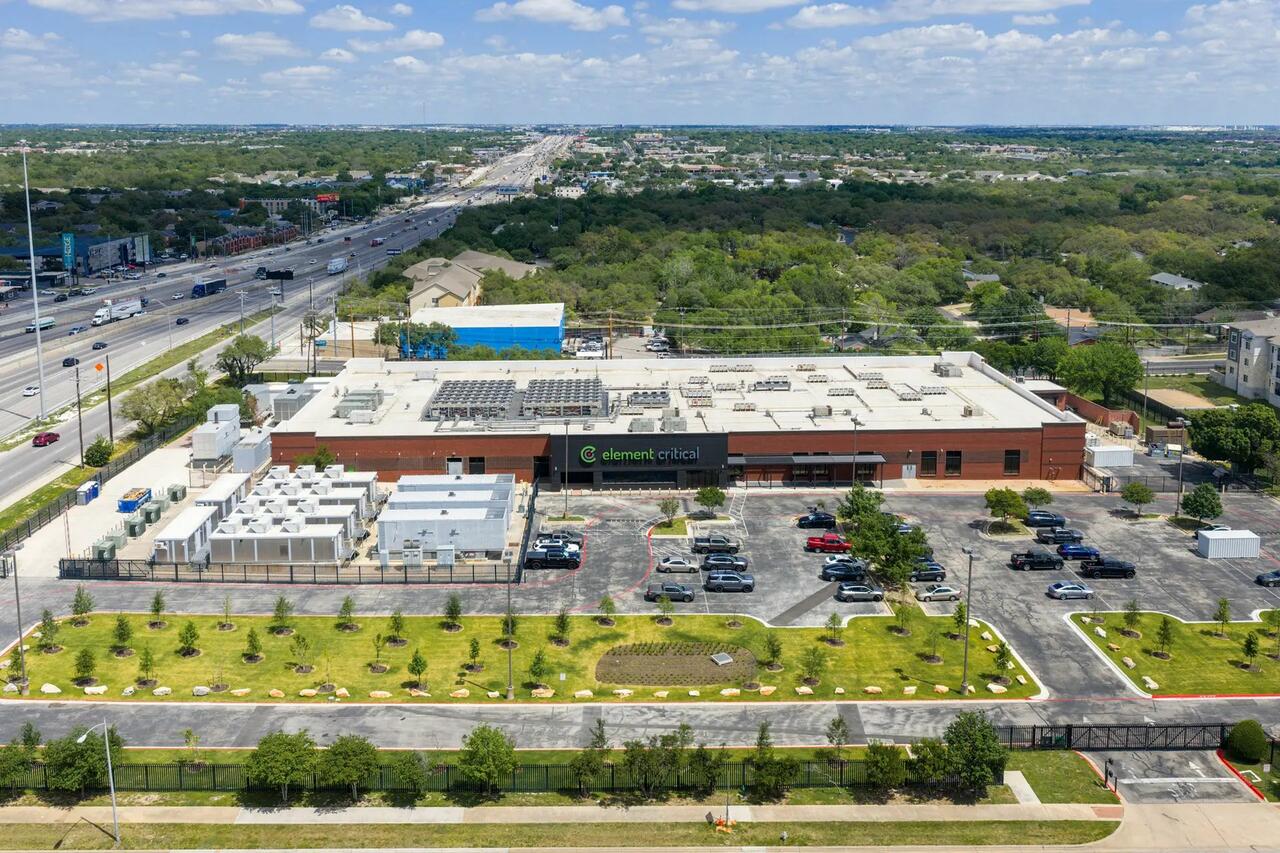
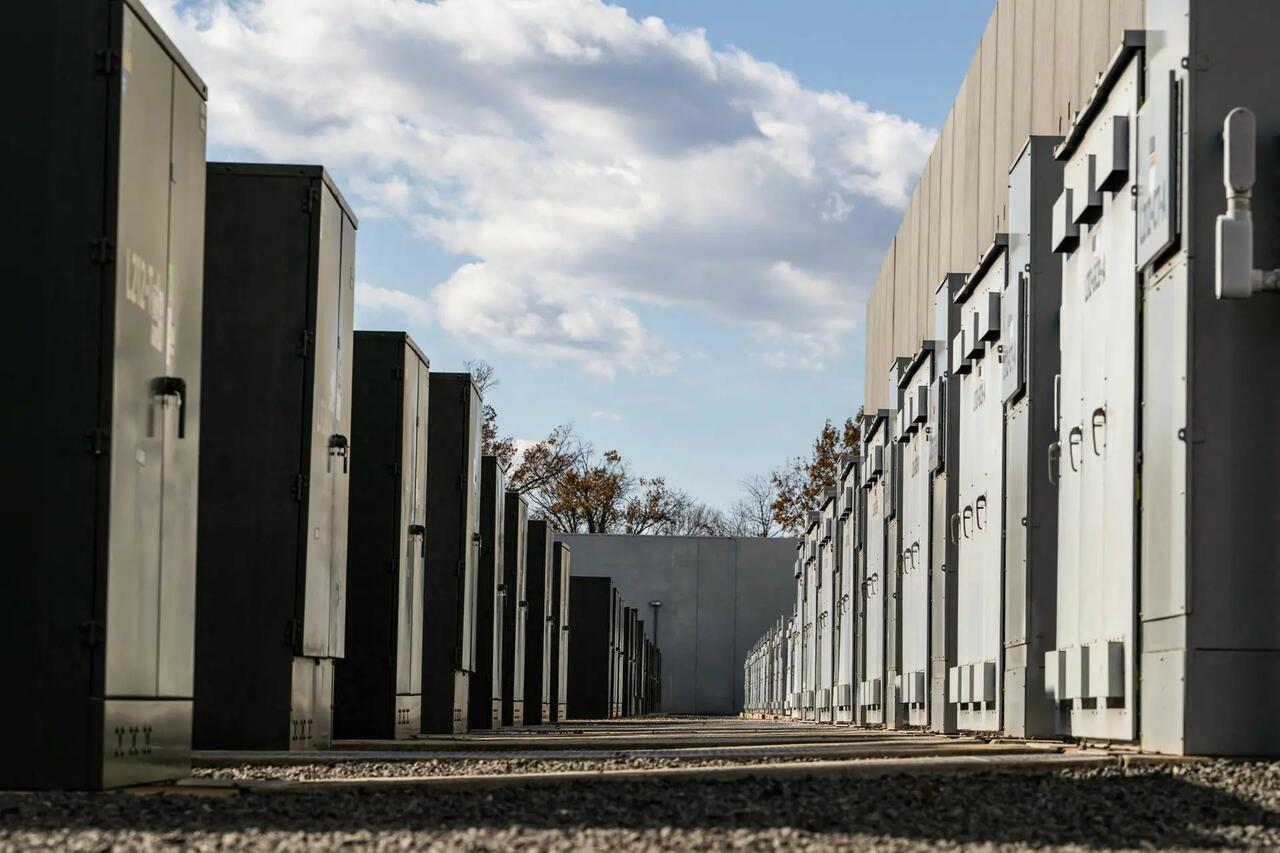
These data facilities are typically massive buildings housing information technology infrastructure, data-storage systems, and networking and processing equipment. They also require power subsystems, backup generators, and HVAC and cooling systems to prevent hardware from overheating.
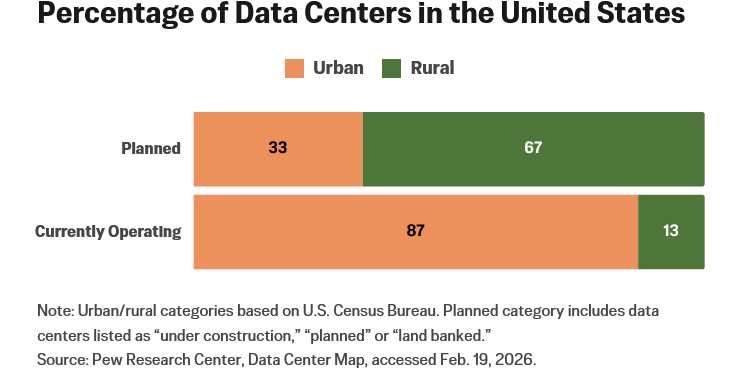
According to a recent Pew Research Center analysis, 87 percent of existing data centers are located in urban regions, while 67 percent of planned data centers are targeted for construction in rural areas.
The analysis also reveals that 38 percent of Americans currently live within five miles of at least one operating data center.
“These structures tend to be built in clusters: Nine in 10 data centers are within five miles of another one,” the report notes. “As a result, a majority of Americans who live near one data center also live near at least one more.”
‘Wait a Minute’
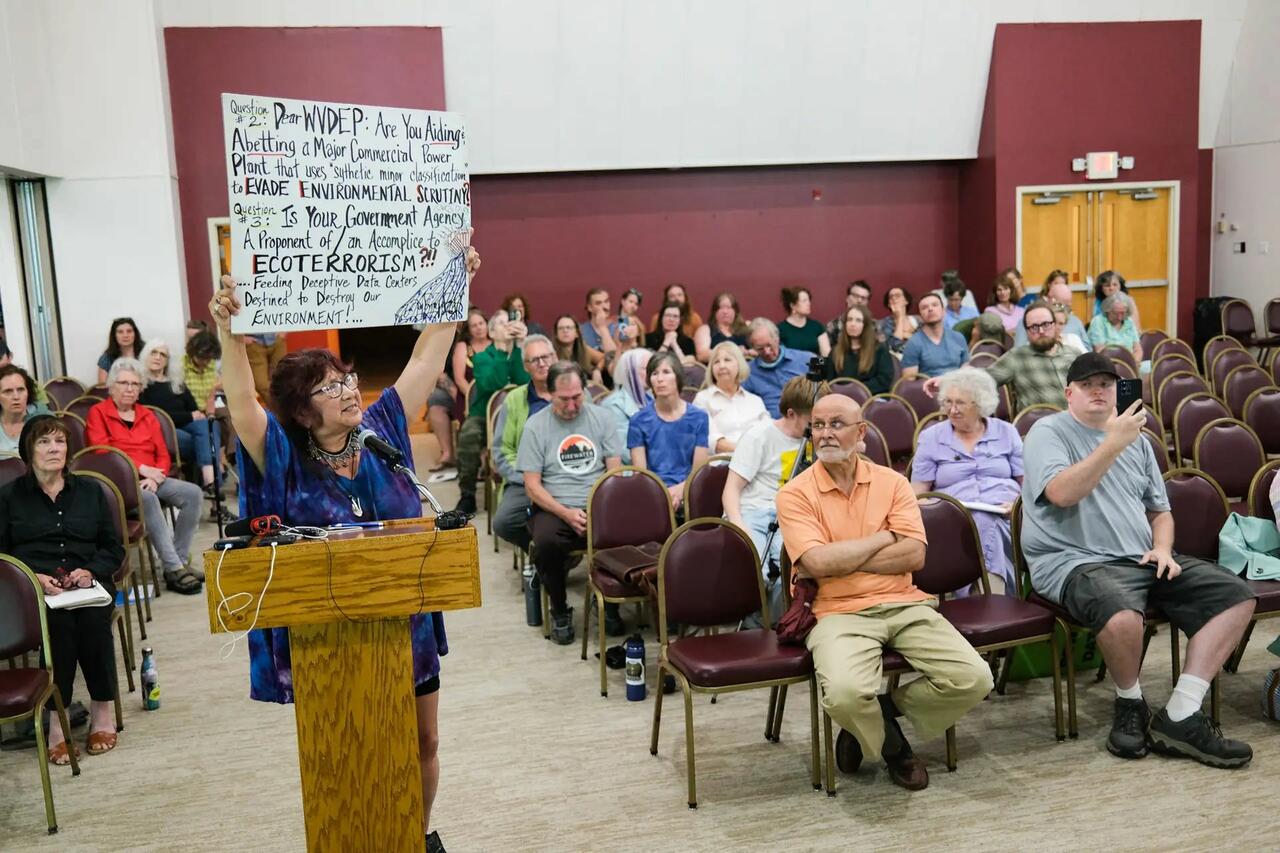
According to Data Center Watch, community opposition to data centers is surging nationwide, shifting from individual zoning disputes into a national political force.
An estimated $152 billion in potential investment was blocked or delayed in 2025, including $98 billion in the second quarter alone—more than all disruptions combined since 2023 and affecting 20 projects, the research organization’s data show.
The activity accelerated sharply in the third and fourth quarters, with hundreds of activist groups across 42 states organizing to block the construction or expansion of data centers toward the end of the year.
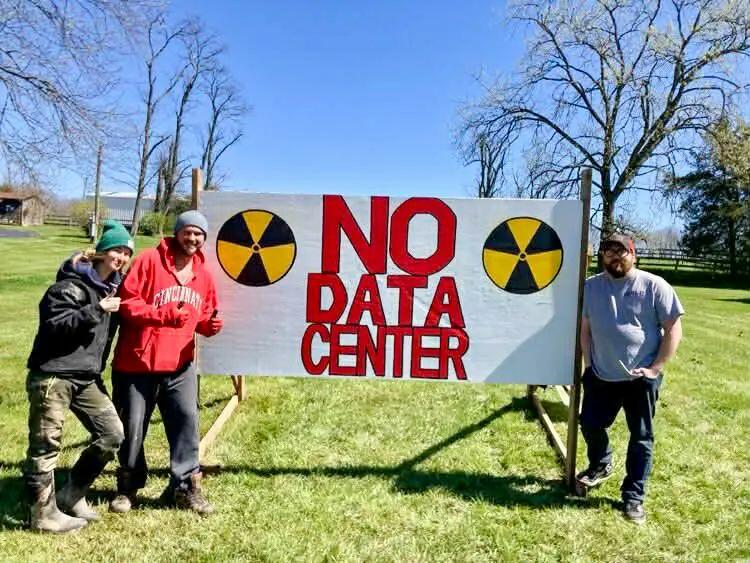
“We came together and said no, and I’m very proud of the outcry of average citizens to say ‘wait a minute’ before going ahead with this,” Danei Edelen, who heads up the grassroots group Southern Ohio Responsible Development (SORD), located in Brown County, told The Epoch Times. Her hometown of Mount Orab, about 40 miles east of Cincinnati, is the latest target for a hyperscale data center.
“Some of these centers can use up to 5 million gallons of water, which is equivalent to a small town,” Edelen said. “As for the noise, it can be like having a motorcycle running 24/7.”
The group also has concerns about health hazards that could result from possible air pollution, water contamination, or exposure to high-voltage electricity.
With influence from SORD and other Brown County residents, the local government recently issued a six-month moratorium on the project, which could potentially encompass nearly 1,200 acres.
Clayton Tucker, secretary of the Texas Farmers Union and Democratic candidate for Texas agriculture minister, said he’s concerned about insufficient water for irrigation.
“It can cost up to $40,000 to drill for a new well, and some of these centers are water hogs, using incredible amounts of water here in the Dust Bowl,” he told The Epoch Times.
He said water levels in some wells in the state have already dropped by 25 feet.
Tucker also worries about the escalation of utility bills.
“Some of these centers are like building an entire new city, and power usage is expected to triple or quadruple by 2032,” he said.
Tucker has spoken with farmers in other states who have seen a recent influx of data centers.
He noted that although state and federal governments have had little involvement, local governments have been sensitive to their concerns. Action by several bipartisan city councils has managed to pause plans for data centers in Athens and San Marcos, Texas.
“Our main goal is to delay these projects and wait for better technology,” Tucker said. “Having centers that use no water and computer chips that use a fraction of the power with little or no noise would resolve a lot of resource issues.”
SORD is ready to go one step further by proposing a state constitutional amendment that would ban hyperscale data centers. The group is working to gather 413,000 valid signatures to qualify for a ballot measure in the next election.
The Biggest Problem
Jennifer Dunphy, public health consultant and author of “The Toxin Handbook,” told The Epoch Times that plans are already on the books for a new large data center within five miles of her home in Orange County, California. Her concern is more about what these centers could transform into for the future.
“The big question is about where these centers are headed,” she said. “As they need more and more power and resources, they’ll grow and become more complex, possibly adding health effects in the future.”
Currently, she noted, there’s no evidence directly linking data centers to any specific health effect, but there are concerns about electromagnetic fields and air pollution affecting people with co-morbidities such as chronic obstructive pulmonary disease, asthma, and certain heart conditions, or the elderly.
Dunphy also believes the likelihood of water contamination from data centers is slim.
“I would be more worried about petrochemical or manufacturing centers producing chemical runoffs,” she said. “Then it becomes more of a concern.”
The biggest problem, she noted, is that there have been no large-scale studies about data centers and their impacts on local communities.
“We don’t know enough about these to have them in our backyard,” she said. “And no, I am not in favor of a data center near my home.”
Edelen said her group is not against responsible development.
“We just want more time to study the impact this may have on the community,” she said.
Emma Cox is the chief commercial officer for ClimeCo, a Houston-based global environmental advisory and decarbonization firm helping builders develop more responsibly by reducing carbon emissions and greenhouse gases.
“Data centers are going up incredibly quickly, and my caution is that some developers are not considering responsible growth,” she told The Epoch Times. “As a result, I believe both the environment and human health could suffer.”
The Texas Farmers Union seeks more openness and honesty when data centers are proposed.
“A lot of times, developers don’t tell you the whole truth,” Tucker said.
A Redfin-commissioned, Ipsos-conducted survey found that 47 percent of residents object to the construction of AI data centers in their neighborhoods, while 38 percent support the projects.
The survey also showed that younger Americans are more likely to support building data centers in their “backyard.” Politically, 49 percent of Republicans and 36 percent of Democrats support the construction of data centers.
‘A Convenient Scapegoat’
Daren Shumate, CEO of Shumate Engineering in Tysons, Virginia, has been involved in data center construction since 1998.
“From a developer’s viewpoint, there are two major requirements for site selection of data centers: ample power availability and the local jurisdiction that will allow you to build,” he told The Epoch Times.
While he acknowledged that these mega centers are water- and energy-intensive, he said safeguards are being built into plans for new facilities.
“Data centers are a convenient scapegoat when it comes to issues concerning water and power,” he said. “Many of the newer centers are now relying on air-cooled chillers or refrigeration as opposed to evaporative water systems and cooling towers. Those designs call for very low water usage.”
As a result, he said, a data center should have little effect on a community’s water supply or water rates.
Regarding power supply, Shumate said electricity usage varies depending on the size of the data center. It can range from 10 megawatts for smaller facilities to 200 megawatts for hyperscale centers, typically operated by Big Tech firms such as Microsoft, Amazon, Apple, and Oracle.
In some cases, these centers require additional buildings for cooling and other operations, often requiring another 100 megawatts per building, Shumate said.
“Unlike a regular office building that usually runs from 8 a.m. to 5 p.m., a data center operates 24 hours a day and seven days a week. You turn it on and never turn it off,” he said.
While acknowledging concerns about power grid failures, Shumate said developers are taking steps to mitigate them.
“Most large data centers are now required to have back-up battery systems that will provide an uninterrupted power supply, and these batteries are constantly charging,” he said. “That means the centers won’t be putting any extra strain on the power companies when an outage occurs.”
Shumate also believes the expansion of data centers will have minimal effect on utility rates for local consumers.
“Local utility firms will be earning a huge amount of money from these centers, which they can use to improve their infrastructure without adding to consumer bills,” he said. “Better design techniques using LED lighting, insulation, windows, and other materials are designed to stabilize data center electricity usage.”
He also noted that many developers are establishing building criteria to ensure data centers are not located adjacent to schools or residential properties.
“While mechanical units can produce noise, developers can design systems to mitigate the data center noise,” he said.
Harry Sudock, chief business officer of CleanSpark, a Las Vegas-based data-center developer, has handled land acquisition and data center construction for nearly 40 years.
“Power availability and speed to delivery are actually more important than land prices when choosing a location,” he told The Epoch Times. “We also look for areas where there’s already a significant amount of electrical infrastructure in place, including former manufacturing hubs.”
Read the rest here...
Related Markets
All MarketsMarket data may be delayed. Not financial advice.
How other outlets covered this
Compare allAlto found this story at 3 outlets. Same event, different framing — compare the headlines.
How this story developed
Full timelineAlto has tracked this across 6 days of coverage from 3 outlets.
Powered by Gab AI
The Story At A Glance
Open the full breakdown on gab.ai
- • AI data center construction is surging, with 4,900 facilities currently operating or in development.
- • Nearly 40 percent of Americans live within five miles of a data center, often in dense clusters.
- • Grassroots opposition is rising due to concerns over water depletion, energy costs, and noise pollution.
The rapid expansion of artificial intelligence requires massive physical infrastructure that consumes vast amounts of electricity and water. Developers are increasingly targeting rural areas, leading to direct conflicts with local residents and agricultural interests.
Christian Perspective
The depletion of vital resources like water for the sake of secular technology violates the principle of stewardship over God's creation. Prioritizing the energy needs of Big Tech over the basic needs of families and farmers is a moral failure. We must protect the resources necessary to sustain life and the traditional way of life.
Implications
This
Want to join the conversation about this story?
Join our community at Gab.com→
Gab AI
The one AI they can't control. Our exclusive AI model trained to uphold Christian values and traditional principles in every interaction.