EPA Unwinds Massive Biden-Era Auto Emissions Regulations That Had 2027 Deadline
.jpg?itok=YAVwQmYR)
The short version
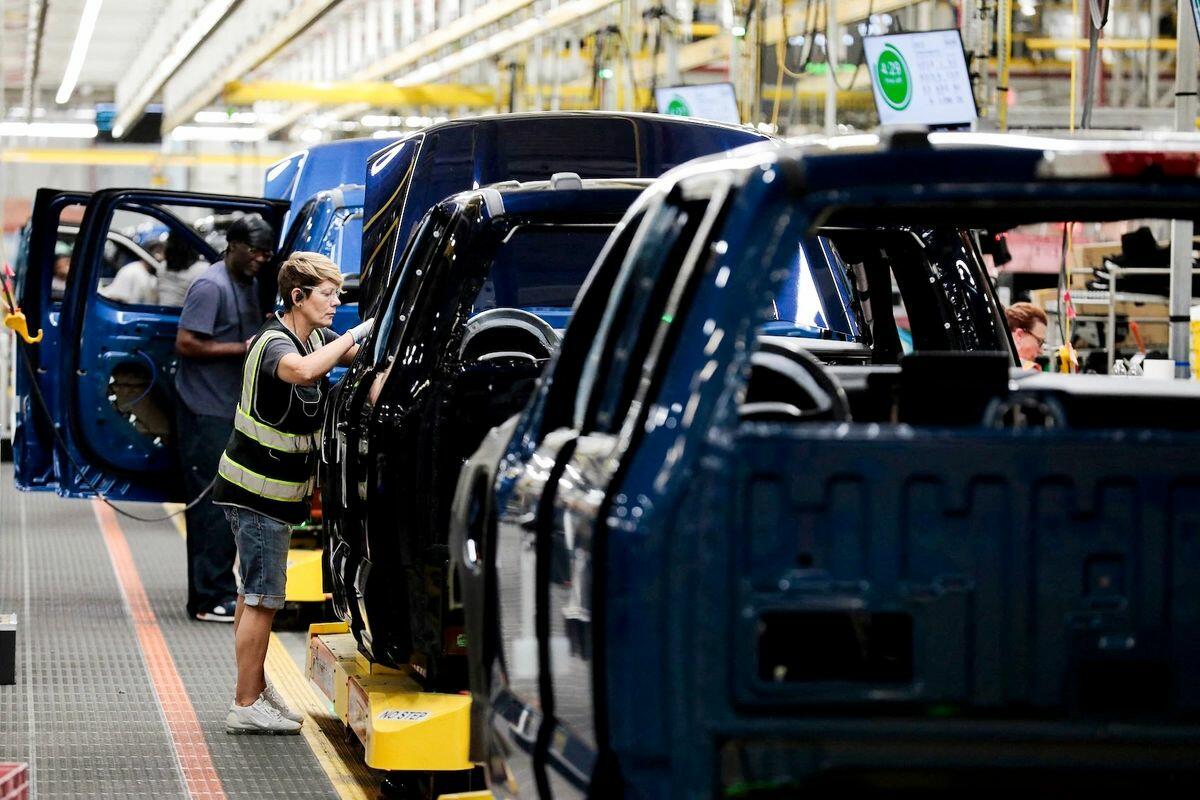
- Ford Motor Company's electric F-150 Lightning on the production line at their Rouge Electric Vehicle Center in Dearborn, Mich., on Sept. 8, 2022.
- Jeff Kowalsky/AFP via Getty Images In March 2024, the Biden-administered EPA issued new rules regarding tailpipe emissions applicable to light-duty and medium-duty vehicles for…
- The regulations sought to “significantly reduce” greenhouse gas emissions, nitrogen oxides, particulate matter, and hydrocarbons from new light trucks, passenger cars…
- The changes were projected to help tackle what the Biden-era EPA called “climate crisis” and reduce air pollution after the agency set limits on gas emissions.
- For instance, in passenger cars, the greenhouse gas emission limit was set at 139 grams of carbon dioxide per mile, which should reduce to 73 grams by 2032.
The story
Authored by Naveen Athrappully via The Epoch Times (Emphasis ours),
The Environmental Protection Agency (EPA) has proposed a deregulatory action to delay compliance deadlines for Biden-era emission standards, in a bid to make vehicles more affordable for Americans while ensuring greater consumer choice, the agency said in a May 14 statement.
In March 2024, the Biden-administered EPA issued new rules regarding tailpipe emissions applicable to light-duty and medium-duty vehicles for model years 2027 and beyond. The regulations sought to “significantly reduce” greenhouse gas emissions, nitrogen oxides, particulate matter, and hydrocarbons from new light trucks, passenger cars, and larger pickups and vans.
The changes were projected to help tackle what the Biden-era EPA called “climate crisis” and reduce air pollution after the agency set limits on gas emissions. For instance, in passenger cars, the greenhouse gas emission limit was set at 139 grams of carbon dioxide per mile, which should reduce to 73 grams by 2032.
These regulations were expected to bring down carbon dioxide emissions by 7.2 billion tons through 2055, with the EPA saying there would be almost $100 billion in annual net benefits to American citizens, including $62 billion in lower fuel costs and maintenance costs, and $13 billion in public health benefits due to better air quality.
At the time, the EPA said that the emission standards were expected to “accelerate the transition to clean vehicle technologies.”
Between model years 2030–2032, around 30–56 percent of new light-duty vehicles and roughly 20–32 percent of new medium-duty vehicles were projected to be battery-electric vehicles, the document said.
In its May 14 statement, EPA said it was proposing to delay the compliance deadlines for these standards by two more years, until the beginning of model year (MY) 2029, since U.S. citizens have “overwhelmingly rejected” electric vehicles. Moreover, auto manufacturers have lost billions of dollars investing in the production of these vehicles, the agency stated.
The emission standards were “based on faulty assumptions by the Biden Administration that EVs would make up a significant percentage of MY 2027 and beyond fleets, causing the administration to set unrealistic emission standards for internal combustion engine (ICE) vehicles,” the EPA said.
If the proposal is finalized, it would allow auto companies to continue complying with current standards that “deliver substantial emissions reductions of up to 80 percent, for MY 2027 and MY 2028 vehicles,” according to the agency.
This would allow manufacturers to phase in the new emission standards starting with MY 2029 vehicles, “that better fit consumer demand for fewer EVs.”
The EPA said its proposal is estimated to save $1.7 billion, providing American families with hundreds of dollars in savings per vehicle.
“Freedom is the foundation of this nation, and this includes the freedom to choose the car you drive. The American people have been very clear; they do not want EVs forced upon them,” EPA Administrator Lee Zeldin said.
“This proposal aims to return EPA regulations to reality, restoring consumer choice, protecting good-paying American jobs, and strengthening the nation’s global competitiveness” while the agency works to reconsider the emission standards, he said.
Ending EV Investments
In a May 15 statement, consumer advocacy organization Public Citizen criticized the EPA decision, saying that the agency’s proposal will allow automakers to sell polluting cars.
“The decision will not just cost lives; it will cost working-class people more money in medical bills, more missed days of work, and more years chained to volatile gas prices,” said Deanna Noel, deputy director with the organization’s Climate Program.
“Working families are already stretched thin. Everything from groceries to home insurance to gas is getting more expensive, with no end in sight. Delaying commonsense emissions standards will only make communities sicker and send costs higher.”
In its recent statement, the EPA said that major auto manufacturers were already cutting down their electric vehicle fleets and related developments.
For instance, in January, General Motors announced a $6 billion write-down on its electric line. The company also canceled contracts with EV battery suppliers. Stellantis said it would cut its entire plug-in EV lineup for this year.
In December, Ford announced the cancellation of its flagship electric truck, the F-150 Lightning, after losing around $13 billion on its electric vehicle line since 2023.
The corporate decisions were taken after President Donald Trump ended a $7,500 tax credit for the purchase of electric vehicles in September, which had affected sales of these vehicles.
In the fourth quarter of 2025, which immediately followed the end of the tax credit, EVs made up only 5.8 percent of new cars sold in the United States, down from 10.5 percent in the third quarter, according to data from vehicle valuation company Kelley Blue Book.
Related Markets
All MarketsMarket data may be delayed. Not financial advice.
Powered by Gab AI
The Story At A Glance
Reading this article now — analysis appears below
💡 AI analysis provides alternative perspectives on current events