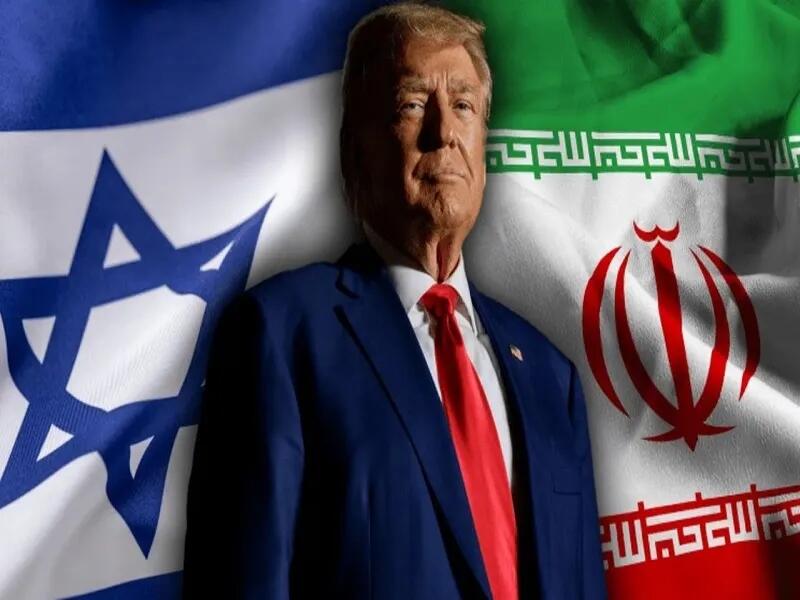
Who Won The Third Gulf War?
.jpg?itok=h2SnbHXP)
The short version
- Iran and the US plan to sign a Zarif-inspired memorandum of understanding (MoU) on ending the Third Gulf War this Friday in Switzerland.
- For starters, reopening the strait without Iran’s wartime petroyuan toll booth in place would represent a significant concession by the Islamic Republic…
- The same goes for resuming negotiations on its politically sensitive nuclear program.
- The sanctions relief in exchange might arguably be worth it, however, judging by this estimate here of the profound economic-financial damage caused by the US’ (imperfect)…
- With the petroyuan reportedly out of the picture, that leaves Iran’s oil export dependence on China, but sanctions relief could help gradually redirect its sales ( such as to…
The story
Iran is poised to gradually return to the US-led Western order within certain limits exactly as Iran’s moderate faction has long wanted, its hardline faction has successfully preserved the armed forces and their missile stockpile, while Israel achieved none of its goals in its most epic defeat ever.
Iran and the US plan to sign a Zarif-inspired memorandum of understanding (MoU) on ending the Third Gulf War this Friday in Switzerland. The exact details aren’t yet known, and Fortune reported that there were at least three competing texts, but all of them “include similar elements around reopening the vital Strait of Hormuz waterway, giving Iran sanctions relief and opening the door to longer-term negotiations around its nuclear program.” That’s already enough to arrive at several very important conclusions.
For starters, reopening the strait without Iran’s wartime petroyuan toll booth in place would represent a significant concession by the Islamic Republic, whose media surrogates celebrated this model as an historic multipolar milestone. The same goes for resuming negotiations on its politically sensitive nuclear program. The sanctions relief in exchange might arguably be worth it, however, judging by this estimate here of the profound economic-financial damage caused by the US’ (imperfect) blockade.
On that topic, it was explained here in late March that “The US will have lost the Third Gulf War if China can still rely on Iran as a reliable low-cost energy supplier while turning the yuan into a global reserve currency that challenges the petrodollar”, so preventing both is imperative from the US’ perspective.
With the petroyuan reportedly out of the picture, that leaves Iran’s oil export dependence on China, but sanctions relief could help gradually redirect its sales (such as to India) without disrupting the market.
Likewise, if reports about a $300 billion reconstruction fund for Iran are true (even if the final sum is much lower but still tens of billions of dollars), then US and Gulf investments in Iran’s energy industry could lead to them controlling its exports.
It was assessed in January that “The US Wants To Replicate The Venezuelan Model In Iran”, which would be on the path to implementation in that scenario.
The resultant interdependence could advance collective security and facilitate the US’ regional withdrawal.
Iran’s moderate (“reformist”) and hardline (“principalist”) factions would therefore achieve some of their goals, the first with respect to sanctions relief and the second with regards to preserving the country’s (arguably battered) armed forces as well as their missile stockpile, not to mention their political system.
Nevertheless, the factional balance would have shifted in the moderate’s favor since the US wouldn’t sign a MoU if the moderates couldn’t control “rogue” hardliners, who could potentially rekindle the war.
It can therefore be concluded that the moderates beat the hardliners in Iran’s deep state power struggle, but this was due to the US and Israel killing dozens of top hardline figures, after which their respective institutions (especially the IRGC) were weakened and ultimately tamed by the moderates.
To be sure, “rogue” hardliners – regardless of their relationship to the IRGC – could still sabotage the MoU, but Trump 2.0 feels comfortable enough that they won’t otherwise it wouldn’t go through with the signing.
A new regional era is emerging whereby the Third Gulf War might very well lead to Iran’s gradual reincorporation into the US-led Western order, albeit within limits, which lays the groundwork for better ties with its Gulf neighbors.
In that scenario, Israel would stand to lose since it could no longer divide-and-rule Iran and the Gulf, nor would the US have its back if Israel resumes hostilities with Iran due to the recent revival of the possibly irreconcilable Trump-Bibi rift. Israel is therefore the war’s biggest loser.
Related Markets
All MarketsMarket data may be delayed. Not financial advice.
How other outlets covered this
Compare allAlto found this story at 5 outlets. Same event, different framing — compare the headlines.
- ZeroHedgeIndia's Crude Import Bill Surges As Hormuz Shipping Rates Soarabout 9 hours ago
- AxiosScoop: Saudi crown prince raises concerns over Trump's plans for massive Iran strikes25 days ago
- The VergeTariffs didn’t bring manufacturing jobs back to the USabout 1 month ago
- Google NewsUS bombs Iran again, Tehran strikes Gulf, tankers: What’s the latest? - Al Jazeeraabout 1 month ago
- APAsian shares are trading mixed amid caution about the war in Iran2 months ago
How this story developed
Full timelineAlto has tracked this across 38 days of coverage from 4 outlets.
Powered by Gab AI
The Story At A Glance
Reading this article now — analysis appears below
💡 AI analysis provides alternative perspectives on current events