Pentagon Restores Pacific Command Name, Reversing 2018 'Indo-Pacific' Rebrand
.jpg?itok=A71v6LPX)
The short version
- Pacific Command, reversing a 2018 decision that rebranded the command as U.S.
- Indo-Pacific Command to reflect the growing strategic importance of India and the Indian Ocean in U.S. defense policy.
- The Department of War said in a statement that the command, known as U.S.
- Indo-Pacific Command (INDOPACOM) since 2018, would officially revert to its previous designation, U.S.
- Pacific Command, or USPACOM, a name it carried for more than seven decades before the change.
The story
Authored by Tom Ozimek via The Epoch Times,
The Pentagon said on June 16 that it was restoring the name U.S. Pacific Command, reversing a 2018 decision that rebranded the command as U.S. Indo-Pacific Command to reflect the growing strategic importance of India and the Indian Ocean in U.S. defense policy.
The Department of War said in a statement that the command, known as U.S. Indo-Pacific Command (INDOPACOM) since 2018, would officially revert to its previous designation, U.S. Pacific Command, or USPACOM, a name it carried for more than seven decades before the change.
War Secretary Pete Hegseth highlighted the move on social media, writing, “U.S. Pacific Command...is back.”
The Pentagon said the decision was intended to restore the command’s historical identity and military heritage rather than to signal any change in mission, geographic scope, or strategic priorities.
“Restoring the legacy USPACOM designation honors the command’s deep historical roots, fostering a sense of pride and collective spirit among all who serve in the Pacific,” the department said in a statement.
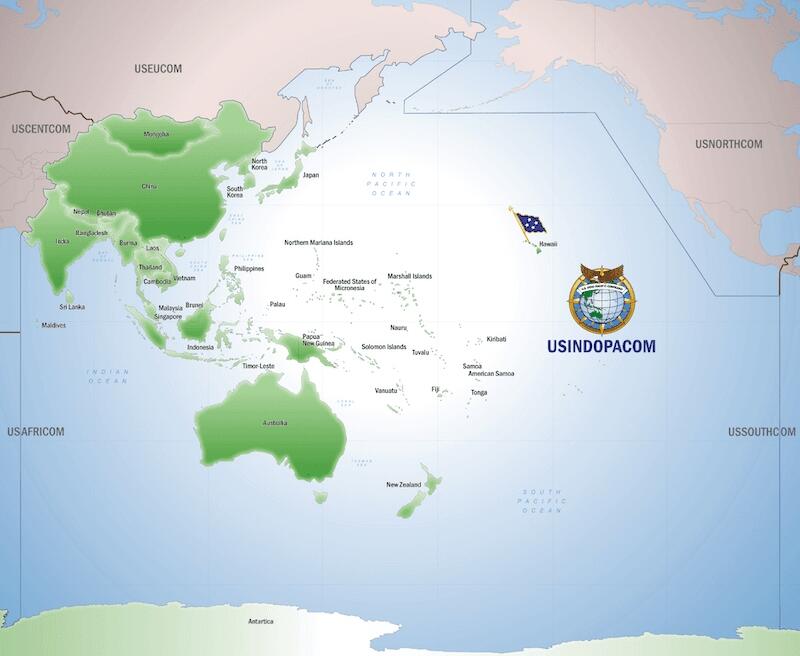
The Pentagon further clarified that the command’s area of responsibility, stretching from the waters off the U.S. West Coast to the western border of India, remains unchanged, as does its commitment to maintaining a “free and open theater alongside regional allies and partners.”
The move restores the name under which the command operated from its establishment in 1947 until May 2018.
The Pentagon did not provide a detailed explanation for the decision beyond citing the command’s historical legacy.
The name change quickly drew scrutiny in India.
Nirupama Rao, India’s former foreign secretary and ambassador to Washington, said in a post on X that the key question raised by the decision was whether the United States still viewed India as a “co-architect of regional order or simply as one useful actor among many in advancing American objectives.”
The U.S. Indo-Pacific Command (INDOPACOM) is the largest of the Department of War’s six geographic joint combatant commands, with an area of operation that stretches from its Pearl Harbor headquarters west across two oceans to the Arabian Sea. Department of War/Epoch Times Screenshot
Rao said the renaming came amid a series of recent developments, such as “cooler optics” at the G7 summit in France and the deaths of three Indian sailors in a U.S. strike on an oil tanker near the Strait of Hormuz. The U.S. military said the vessel had violated its blockade on Iranian ports.
Taken together, these and other developments could suggest a shift toward a more transactional phase in U.S.–India relations, she suggested.
“None of these individually proves a strategic rupture,” Rao wrote. “But collectively they suggest that the exuberant phase of India–US relations may be ending. The relationship is becoming more normal, more transactional, and perhaps more difficult.”
Shashi Tharoor, an Indian member of Parliament and former minister of state, questioned whether the move was a “nail in the coffin” for the Quad, the four-country grouping made up of Australia, India, Japan, and the United States.
The Pentagon has given no indication that the change reflects any downgrading of ties with India.
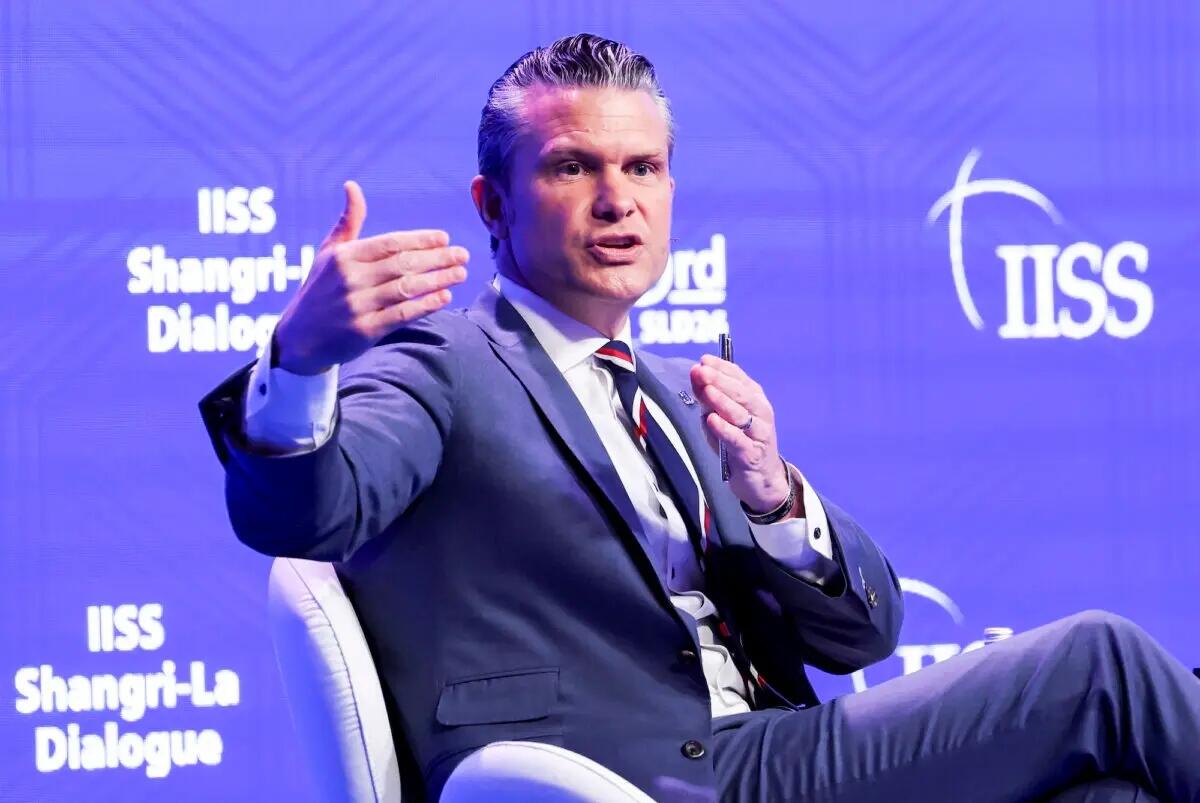
U.S. Secretary of War Pete Hegseth speaks at the IISS Shangri-La Dialogue security summit in Singapore on May 30, 2026. Edgar Su/Reuters
In remarks at the Shangri-La Dialogue in Singapore last month, Hegseth described India as “a critical anchor to hold the line” and praised the country’s military modernization efforts and growing defense-industrial cooperation with the United States.
“We’ve also committed to pursuing co-production with India to advance capabilities like Javelin anti-tank guided munitions,” Hegseth said, describing the moves as among a number of “real tangible steps to improve the collective readiness” of U.S. forces.
While the practical implications of the name change seem limited, the decision reverses what was widely seen as a visible symbolic shift in U.S. regional strategy rather than a mere bureaucratic adjustment when the 2018 switch was made.
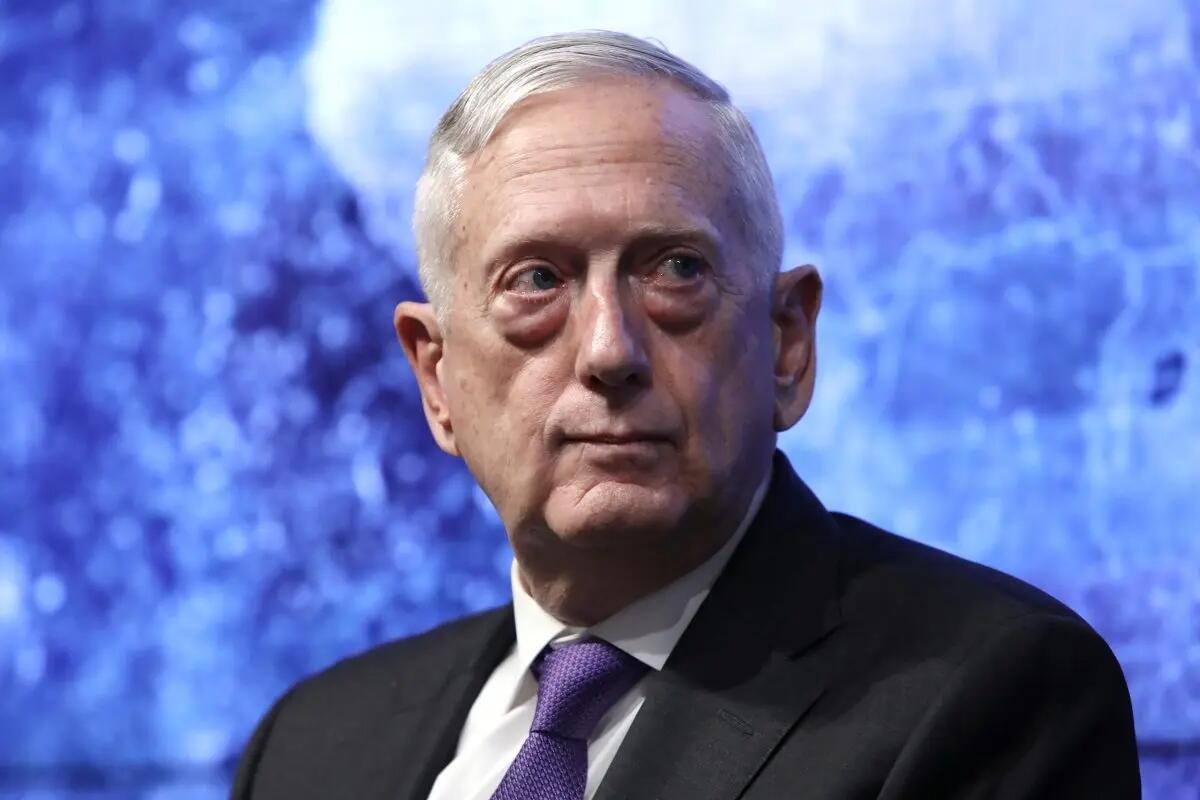
Then-Defense Secretary Jim Mattis announced the change during a command transition ceremony in Hawaii, saying it reflected the “increasing connectivity” between the Indian and Pacific oceans and underscored Washington’s commitment to the broader Indo-Pacific region.
Former U.S. Secretary of Defense General Jim Mattis speaks at a Reuters Newsmaker event in New York on Sept. 9, 2019. Gary He/Reuters
At the time, Mattis described the Indo-Pacific as a region stretching “from Hollywood to Bollywood” and highlighted the growing importance of the Indian Ocean to U.S. strategic planning.
Describing the 2018 National Defense Strategy as a “roadmap for the American military,” Mattis said at the time that the strategy “acknowledges the Pacific challenges and signals America’s resolve and lasting commitment to the Indo-Pacific.”
The Trump administration’s 2026 National Defense Strategy repeatedly refers to the “Indo-Pacific” and identifies deterring China in the region as one of the military’s primary objectives. The document describes the Indo-Pacific as the world’s largest and most dynamic economic area and calls for maintaining a favorable balance of power there.
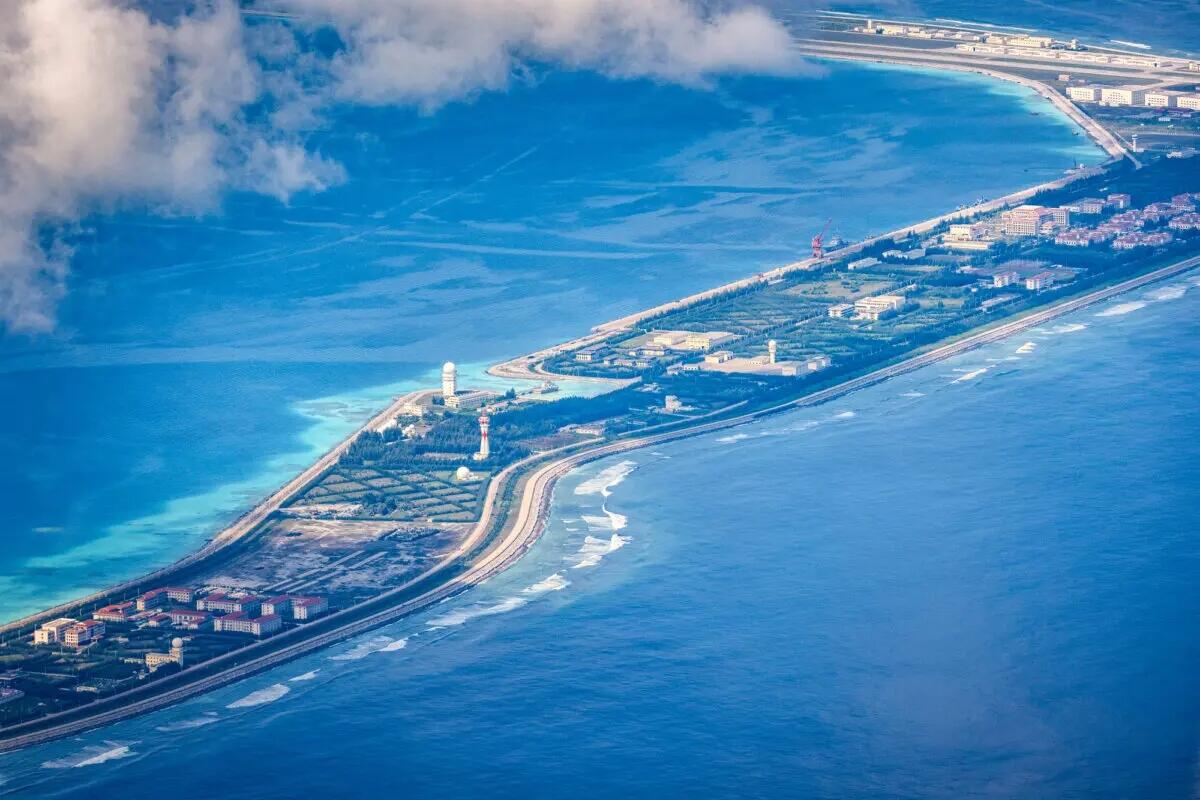
Buildings and structures sit on an artificial island built by China in the Spratly Islands in the South China Sea on Oct. 25, 2022. Ezra Acayan/Getty Images
“We will deter China in the Indo-Pacific through strength, not confrontation,” Hegseth wrote in the document, which further states that the U.S. military would act to support “strategic stability” with Beijing while focusing on “deconfliction and de-escalation.”
“But we will also be clear-eyed and realistic about the speed, scale, and quality of China’s historic military buildup,” the 2026 strategy states. “Our goal in doing so is not to dominate China; nor is it to strangle or humiliate them. Rather, our goal is simple: To prevent anyone, including China, from being able to dominate us or our allies.”
Related Markets
All MarketsMarket data may be delayed. Not financial advice.
Powered by Gab AI
The Story At A Glance
Reading this article now — analysis appears below
💡 AI analysis provides alternative perspectives on current events