Massive 2,000-Year-Old Luxurious Roman Bathhouse Uncovered In The Netherlands
The short version
- Nijmegen Researchers from the archaeological firms RAAP and BAAC were conducting routine investigations in Nijmegen's Waalfront district…
- The excavation, which began in September of last year and will conclude in July, uncovered a public bathhouse, residential blocks, luxury townhouses, streets…
- "For years, the traces of the Roman past at this location were invisible, hidden deep underground .
- Now that we are realizing a new living environment here, the past has become visible," said Joost Mulder, BPD's Regional Director for the North-East & Central region…
- The bathhouse complex, or thermae, covered at least 4,900 square meters, making it the second-largest excavated Roman public bath complex in the Netherlands.
The story
Authored by Maria Mocerino via Interesting Engineering,
The largest Roman bathhouse complex ever discovered in the Netherlands has surfaced, shedding new light on the wealth and importance of the ancient Roman city of Ulpia Noviomagus.
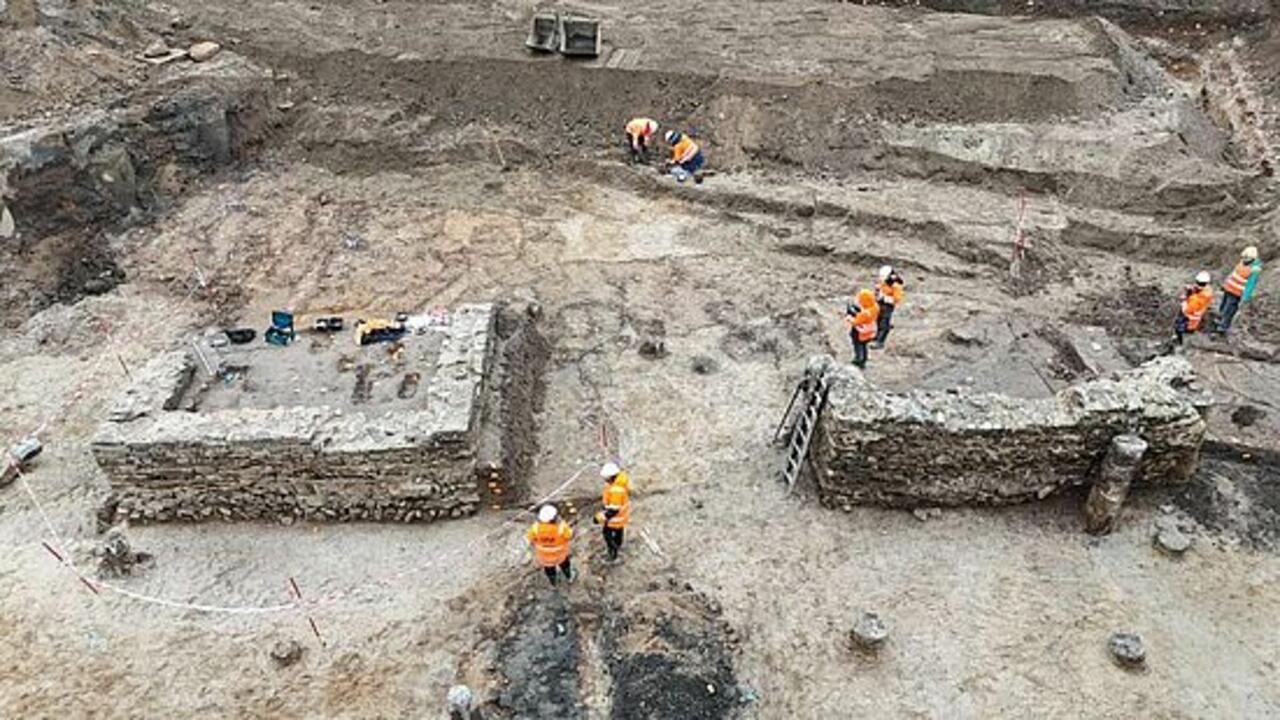
Researchers from the archaeological firms RAAP and BAAC were conducting routine investigations in Nijmegen's Waalfront district, a site slated for new residential development. The excavation, which began in September of last year and will conclude in July, uncovered a public bathhouse, residential blocks, luxury townhouses, streets, and a tower dating back nearly 2,000 years.
"For years, the traces of the Roman past at this location were invisible, hidden deep underground. Now that we are realizing a new living environment here, the past has become visible," said Joost Mulder, BPD's Regional Director for the North-East & Central region, in a press release.
The bathhouse complex, or thermae, covered at least 4,900 square meters, making it the second-largest excavated Roman public bath complex in the Netherlands. Despite centuries of stone removal and reuse following the Roman period, parts of the structure remain exceptionally well-preserved.
Roman history unearthed
The size of the complex reflects the importance of Ulpia Noviomagus - the Roman city that once stood here - which is believed to have received its official status from Emperor Trajan around 100 AD. The discoveries suggest that this area of the city remained active well into the third century AD.
The bathhouse was richly decorated. Its interior walls were clad in marble. The floors were laid with black-and-white limestone tiles. Other rooms featured colorful, painted plaster. Decorative limestone and sandstone moldings adorned the building's facades, while columns made from the same materials enhanced its splendor.
Archaeologists also uncovered extensive drainage systems, flooring, and a hypocaust - a sophisticated Roman underfloor heating system supported by brick pillars. This technology circulated hot air beneath a raised floor, as per Archaeology News. Two stone foundations survive to a height of nearly two meters, making them some of the best-preserved examples of Roman masonry in Nijmegen.
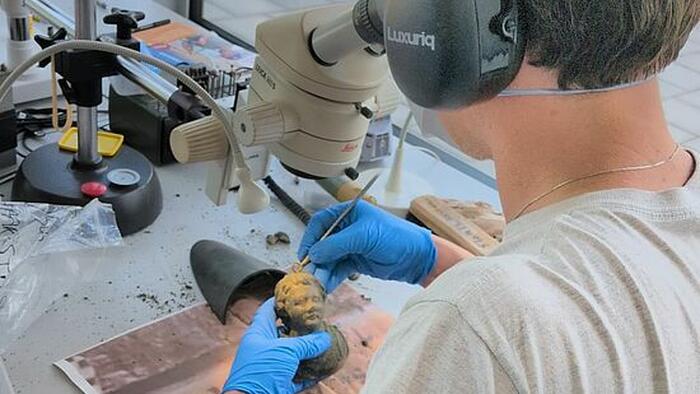
Tens of thousands of artifacts recovered from the site point to the affluent lifestyle that residents enjoyed during the second and third centuries AD.
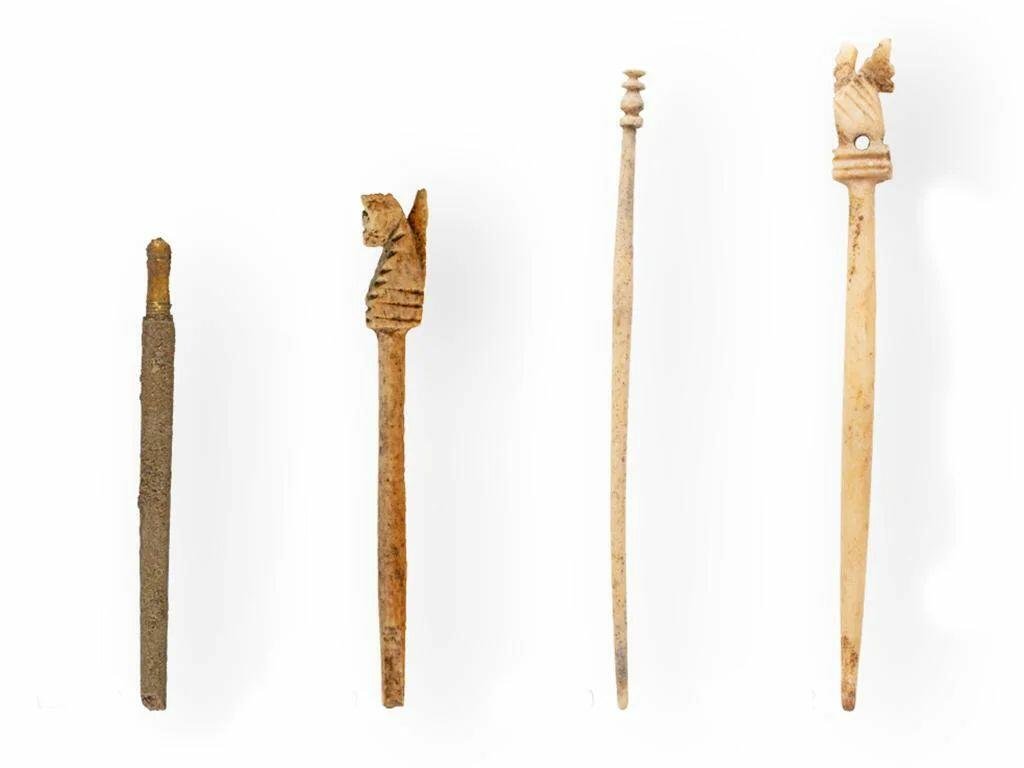
Among the discoveries are bronze statue fragments, signet rings, a necklace with a gold clasp, coins, and hundreds of bone hairpins used in elaborate Roman hairstyles. Notably, two of the hairpins featured remarkable carvings of cats - one seated and one standing.
However, a bronze bust depicting Bacchus, the Roman god of wine, stood out the most to archaeologists. They believe the object originally formed part of a pitcher or a piece of furniture before later being adapted for use on a weighing scale.
Archaeologists also recovered numerous coins from the reign of Emperor Postumus, who ruled between 260 and 269 AD, providing rare evidence of continued occupation during a relatively poorly documented period.
Integrating the past into the future
Developers and city officials plan to integrate the site's Roman heritage into the future neighborhood, added Archaeology News.
"The link to the past will remain visible in the future as well. For instance, a number of residential buildings will feature a covered walking area with rows of columns. A colonnade just like in Roman times. And developers plan to call the green square in the heart of the area, inspired by the floor plan of the bathhouse complex, Thermenplein. A direct reference to the Roman meeting place that was here some 2,000 years ago," concludes the press release.
Related Markets
All MarketsMarket data may be delayed. Not financial advice.
Powered by Gab AI
The Story At A Glance
Reading this article now — analysis appears below
💡 AI analysis provides alternative perspectives on current events