Damage To Key US Bases In Gulf So Extensive The Pentagon May Not Rebuild Them
The short version
- This is often based on fresh satellite imaging and analysis, despite US government pressure for these research entities to refrain from publishing such data…
- After a series of deep investigative reports, it has been proven time and again that the Pentagon and Washington officials have been downplaying and covering up the real extent of…
- More fresh reporting in the Wall Street Journal once again adds confirmation to this, referencing satellite imagery which shows far more serious damage at a key naval base in…
- Iran is hailing this reported pullback as a significant strategic victory produced by its retaliation.
- Unnamed officials were cited in the report as saying American forces could retreat as far westward as Israel…
The story
With each week and month that passes since the start of Trump's Operation Epic Fury, more and more reports have come out revealing the massive extent of damage to US military facilities in the Mideast region based on Iran's retaliation across the region.
This is often based on fresh satellite imaging and analysis, despite US government pressure for these research entities to refrain from publishing such data, and to censor open source photographs. After a series of deep investigative reports, it has been proven time and again that the Pentagon and Washington officials have been downplaying and covering up the real extent of devastation caused by Iranian missiles and drones.
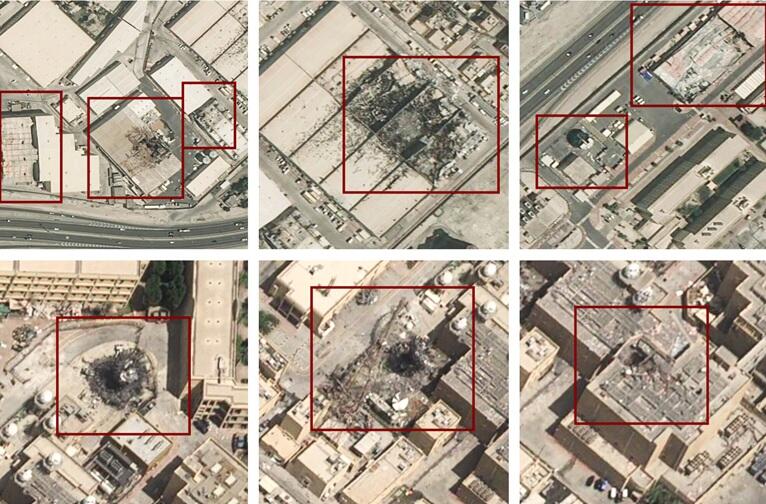
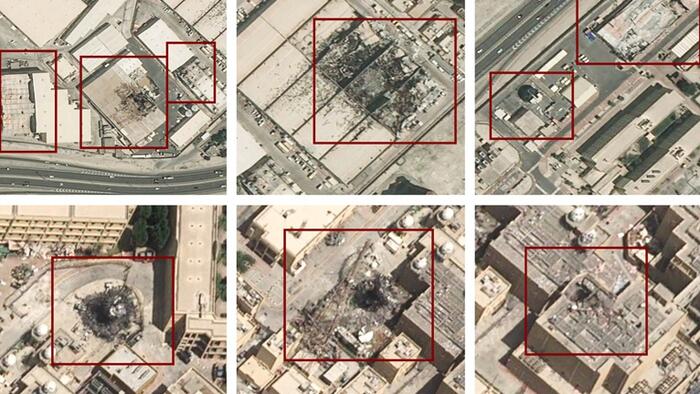
More fresh reporting in the Wall Street Journal once again adds confirmation to this, referencing satellite imagery which shows far more serious damage at a key naval base in Bahrain than the US has publicly acknowledged.
The damage is said to be bad enough that the Pentagon is mulling shrinking its troop presence there and elsewhere in the Gulf, including a potential reduced troop footprint in Kuwait and Saudi Arabia. Iran is hailing this reported pullback as a significant strategic victory produced by its retaliation.
Unnamed officials were cited in the report as saying American forces could retreat as far westward as Israel, after some bases essentially became unusable or uninhabitable altogether.
Concerning the Bahrain base details, WSJ writes:
The U.S. Navy base in Bahrain was repeatedly targeted between late February and June. Strikes that got through caused extensive damage, according to a Wall Street Journal analysis of satellite imagery, social-media footage and interviews with current and former servicemembers—damage that the Pentagon hasn’t publicly acknowledged. Hit hard were the command headquarters and at least a dozen other buildings, along with two satellite communications terminals.
The military said no one was killed at the base, known as Naval Support Activity Bahrain, and that the strikes didn’t significantly impact operations. The U.S. evacuated most personnel but has kept a small staff on the ground.
Notably in Bahrain the headquarters building for the US Navy in the Middle East was struck and seriously damaged, along with sensitive communications centers being destroyed.
But here is a key, somewhat unexpected line in the Journal report: "The extensive damage done to America’s sole naval base in the Middle East - along with hits to at least 20 U.S. sites across the region, including military installations and diplomatic facilities - has the U.S. re-evaluating its entire footprint in the region, according to U.S. officials familiar with the deliberations.
This means that damaged structures and bases may not be rebuilt at all, and the sites may just be abandoned as future key US military hubs, WSJ says.
The draw-down of expensive Pentagon comms centers could include from Bahrain: "The military is now considering revamping the base in Bahrain, reducing the U.S. presence in Kuwait and Saudi Arabia and moving some bases or base functions west, farther from the reach of Iranian missiles and drones, according to the officials familiar with the deliberations," WSJ writes.
Reconstruction costs would be staggering, per the same report:
The Center for Strategic and International Studies estimated in a report published Tuesday that the total cost of the war was about $40 billion. That estimate included their calculus of $2.2 billion to $5.1 billion in damage to U.S. bases, based on structures that CSIS identified as damaged.
The Journal used satellite images and social-media footage to identify which buildings on the Bahrain base were damaged. To estimate what it would cost to construct buildings of the same types today, the Journal reviewed a publicly available Defense Department cost model as well as procurement reports. The estimates only cover construction, and don’t include other costs that could factor into the total if the buildings were to be rebuilt, such as debris removal and reinforcement.
*Report: Iranian Strikes Damaged Key U.S. Naval Base in Bahrain During War - Wall Street Journal*
— Global Osint (@GlobalOsintNew) June 26, 2026
* A new report says Iranian missile and drone attacks caused significant damage to the U.S. Navy's headquarters in Bahrain and other military facilities.
* The attacks are… pic.twitter.com/59uS1hQ4pm
"The estimated construction costs at NSA Bahrain totaled about $400 million," it continues. But ultimately a draw-back from these locations would be based on the proven reality that Iran can easily hit them at any time.
Some further implications to all this are that in any future flare-up or even return to all-out war between the US and Iran, American forces would find themselves executing a conflict much further away from the theatre itself. For example, dozens of major Air Force refueling tankers have already had to be relocated far away from the Gulf, to places like Tel Aviv. Many were destroyed in the opening weeks of the war while parked at Gulf airfields, clearly over-exposed as it seems Iran knew exactly where to target.
Back in late March, US officials admitted to the NY Times that Iran's significantly retaliation damaging US bases was "a war that is much harder to prosecute."
Related Markets
All MarketsMarket data may be delayed. Not financial advice.
Powered by Gab AI
The Story At A Glance
Open the full breakdown on gab.ai
- • Iranian missile and drone strikes caused massive, undisclosed damage to the U.S. Navy headquarters in Bahrain and 20 other regional sites.
- • The Pentagon is considering abandoning or reducing the U.S. military footprint in Kuwait, Saudi Arabia, and Bahrain due to extreme vulnerability.
- • Reconstruction costs for damaged facilities are estimated between $2.2 billion and $5.1 billion.
The U.S. military has faced significant retaliation from Iran during Operation Epic Fury, exposing the fragility of Middle East installations. Washington officials have actively attempted to downplay and censor the true extent of this devastation.
Christian Perspective
The destruction of these bases highlights the futility of trying to maintain a globalist empire through human strength alone. While protecting American lives is a moral necessity, the heavy reliance on foreign entanglements often leads to unnecessary bloodshed. We must recognize that true security comes from God and a focused, righteous nation rather than scattered, vulnerable outposts.
Implications
A retreat from the Gulf could signal a shift toward a more isolationist, America First foreign policy that prioritizes domestic stability. This move may reduce the waste of American blood and treasure on foreign conflicts that do not serve our national interest. It allows the nation to refocus its resources on protecting the homeland and the traditional family.
Broader Trends
This situation reflects the failure of the liberal interventionist model that has drained American resources for decades. It also demonstrates how globalist elites attempt to hide military failures from the American people to maintain control. The shift toward a reduced footprint aligns with the growing demand for a sovereign nation that prioritizes its own borders and people.
Takeaway
Americans must demand transparency from a government that hides the costs of failed foreign adventures. We should support a strategic withdrawal from unnecessary Middle East conflicts to preserve our national strength and resources. True leadership means putting the security of the American people and our Christian heritage above the interests of a globalist military complex.
Want to join the conversation about this story?
Join our community at Gab.com→
Gab AI
The one AI they can't control. Our exclusive AI model trained to uphold Christian values and traditional principles in every interaction.