We Can't Control This: The Populist Tide Is Coming For Both Parties
The short version
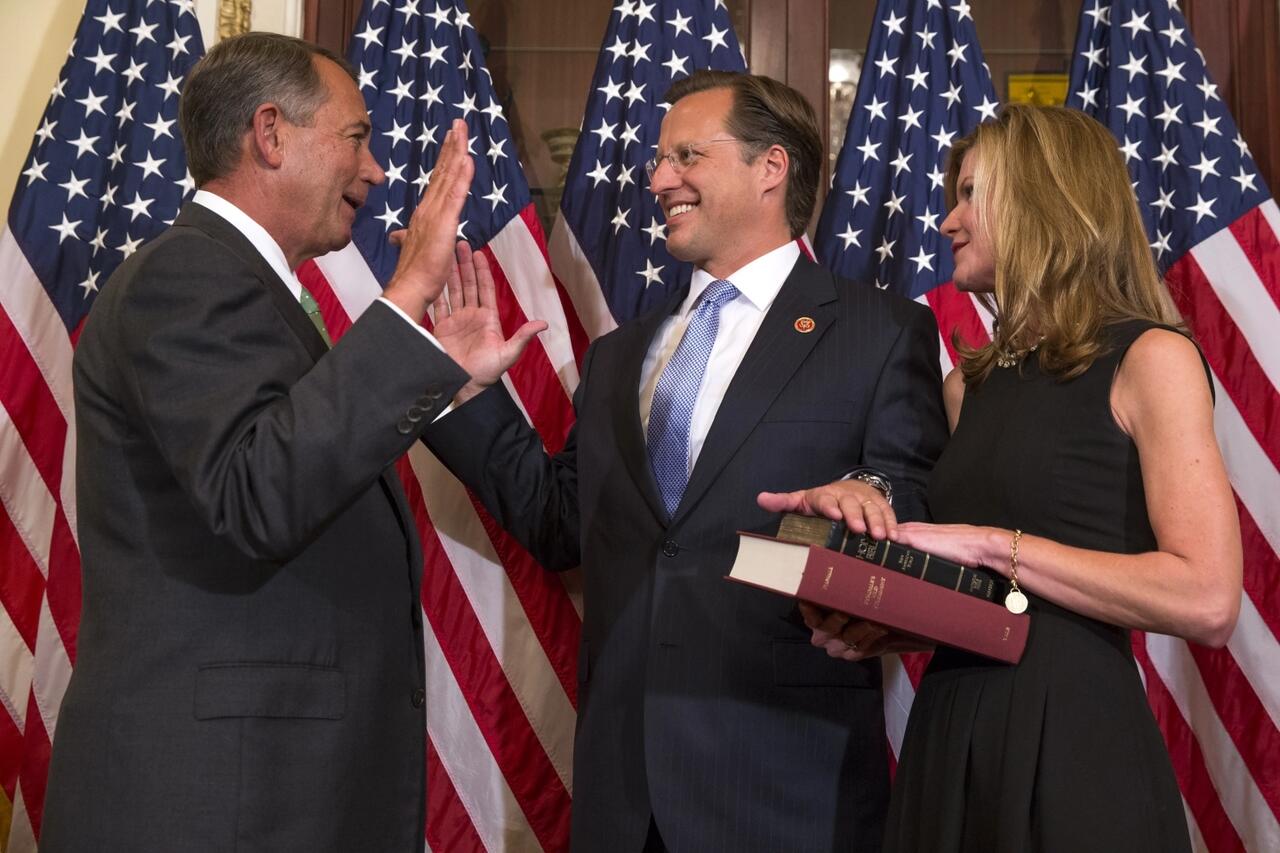
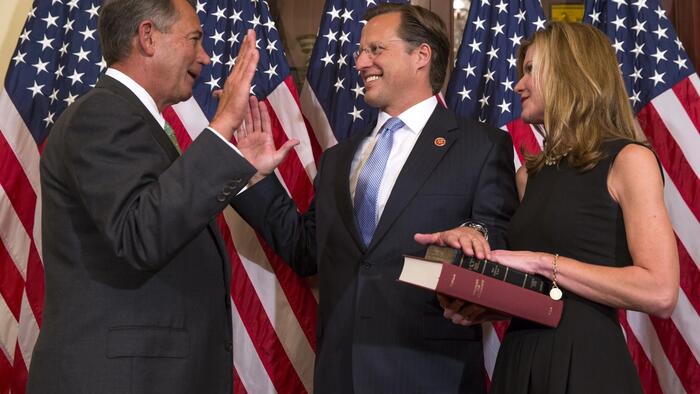
- In 2014, David Brat, then a little-known economics professor, stunned the political world by defeating House Majority Leader Eric Cantor in a Republican primary in Virginia.
- At the time, most observers viewed the upset as an isolated event - a local revolt against an established leader who had lost touch with his district.
- In retrospect, it was something much larger.
- David Brat’s victory was an early warning shot.
- It signaled that a powerful populist movement was building within the Republican Party, one fueled by frustration, distrust of institutions, anger toward political elites…
The story
Authored by Charles Bass and Richard Swett via RealClearPolitics.com,
Who was David Brat?
Many Americans have forgotten the name. We haven’t.
In 2014, David Brat, then a little-known economics professor, stunned the political world by defeating House Majority Leader Eric Cantor in a Republican primary in Virginia. At the time, most observers viewed the upset as an isolated event - a local revolt against an established leader who had lost touch with his district. In retrospect, it was something much larger. David Brat’s victory was an early warning shot. It signaled that a powerful populist movement was building within the Republican Party, one fueled by frustration, distrust of institutions, anger toward political elites, and a conviction among many voters that neither party was listening to them. Two years later, that same current helped propel Donald Trump to the presidency and fundamentally reshape the Republican Party.
As we watched with dismay the results of the New York Democratic congressional primaries, the memory of David Brat came floating back.
What happened in New York may prove to be a similar moment for Democrats. For years, political analysts have treated populism as primarily a Republican phenomenon. That was always a mistake. Populism is not an ideology. It is a political force. It can emerge from the left or the right. It thrives whenever large numbers of citizens conclude that the people running the country’s major institutions no longer understand or care about their concerns.
Today, both parties are confronting their own versions of that phenomenon.
The populism that has transformed the Republican Party often channels its frustrations toward immigration, globalization, cultural change, and government dependency. The populism now emerging within parts of the Democratic coalition directs its anger toward concentrated wealth, large corporations, and what it sees as entrenched political and economic power. The targets differ. The emotions do not. At its core, populism reflects a broad loss of confidence in elites – political, economic, academic, media, and corporate. Millions of Americans increasingly believe that the institutions that once commanded public trust are no longer delivering results, no longer accountable, and no longer responsive.
That sentiment has been building for years. The financial crisis damaged confidence in Wall Street. Endless political gridlock damaged confidence in Washington. Social media accelerated distrust of traditional news organizations. Rising housing costs, student debt, stagnant wages, and growing economic inequality left many younger Americans questioning whether the system works for them at all. When confidence in institutions erodes, voters look elsewhere.
They become more willing to embrace candidates who promise disruption rather than stability, confrontation rather than compromise, and sweeping change rather than incremental reform.
As former members of Congress who represented New Hampshire’s Second Congressional District from opposite political parties, we find this trend deeply troubling. American democracy has historically depended on a broad center. Progress came not because one side achieved total victory, but because competing interests eventually found common ground. The system was designed to reward coalition-building and compromise. Today, compromise is increasingly viewed as weakness.
Moderation is often treated as betrayal. Political incentives now favor outrage over persuasion and ideological purity over practical governance. That dynamic is affecting both parties.
The Republican Party has already experienced a dramatic populist transformation.
The Democratic Party may now be entering a similar period of internal upheaval.
Whether that process ultimately reshapes Democratic politics as profoundly as Trump’s movement reshaped the GOP remains to be seen. But the signs are increasingly difficult to ignore.
What concerns us most is that the underlying forces driving these movements are not going away. Neither party has yet found a convincing answer to the frustrations that fuel populism. Economic insecurity remains widespread. Institutional trust remains low. Political polarization continues to deepen. Younger voters are increasingly skeptical of traditional leadership. Social media amplifies anger faster than solutions. These are not temporary conditions. They are structural challenges.
As strange as American politics has seemed over the last decade, we should not assume we have reached the end of the story. We may only be in the middle chapters. The populist wave that transformed the Republican Party did not stop with Eric Cantor’s defeat. It gathered strength over time. The same could happen on the Democratic side.
We hope we are wrong. We hope both parties rediscover the value of practical problem-solving, responsible leadership, and the political center. Our country needs strong institutions and leaders willing to govern rather than simply mobilize outrage. But history suggests that once public confidence in elites begins to break down, the forces unleashed are difficult to contain. David Brat’s victory was not the cause of the populist transformation of the Republican Party. It was a symptom. What happened in New York may be another symptom. And if that is true, American politics is about to get a lot more unpredictable.
The tide is rising. We may not be able to control it. But we would be wise to understand it.
How other outlets covered this
Compare allAlto found this story at 2 outlets. Same event, different framing — compare the headlines.
How this story developed
Full timelineAlto has tracked this across 7 days of coverage from 2 outlets.
Powered by Gab AI
The Story At A Glance
Reading this article now — analysis appears below
💡 AI analysis provides alternative perspectives on current events