Great Rewiring: US Supports Iraq-Syria Oil Pipeline To Erode Tehran's Hormuz Leverage
The short version
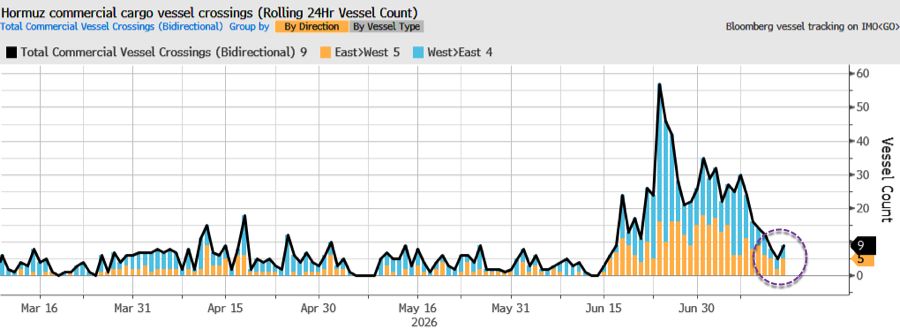
- Yet, unlike the opening phase of the U.S.-Iran conflict, Hormuz remains partially open as Tehran's leverage continues to erode.
- At the same time, there is a growing sense of urgency among U.S.-allied Gulf states to launch a generational infrastructure buildout - from new pipelines to coastal ports -…
- Bloomberg reports that the US is backing talks to revive an oil pipeline from Iraq to Syria's Mediterranean coast…
- US envoy Thomas Barrack has held talks with high-level Iraqi and Syrian officials and companies, including Chevron.
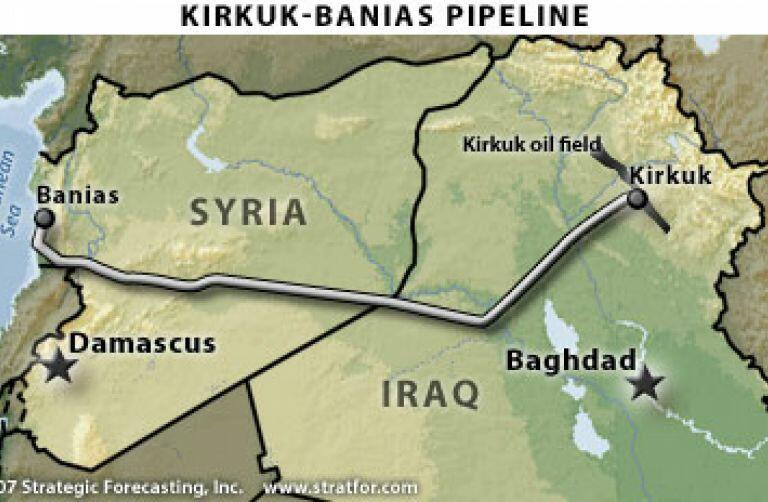
- The discussions also focused on rebuilding the long-idled Kirkuk-Baniyas pipeline.
The story
President Trump's naval blockade of the Strait of Hormuz is set to take effect Tuesday at around 1600 ET, after Iran attacked several commercial vessels, declared the waterway "closed until further notice," and exchanged multiple rounds of missiles and suicide drones with US forces.
Yet, unlike the opening phase of the U.S.-Iran conflict, Hormuz remains partially open as Tehran's leverage continues to erode.
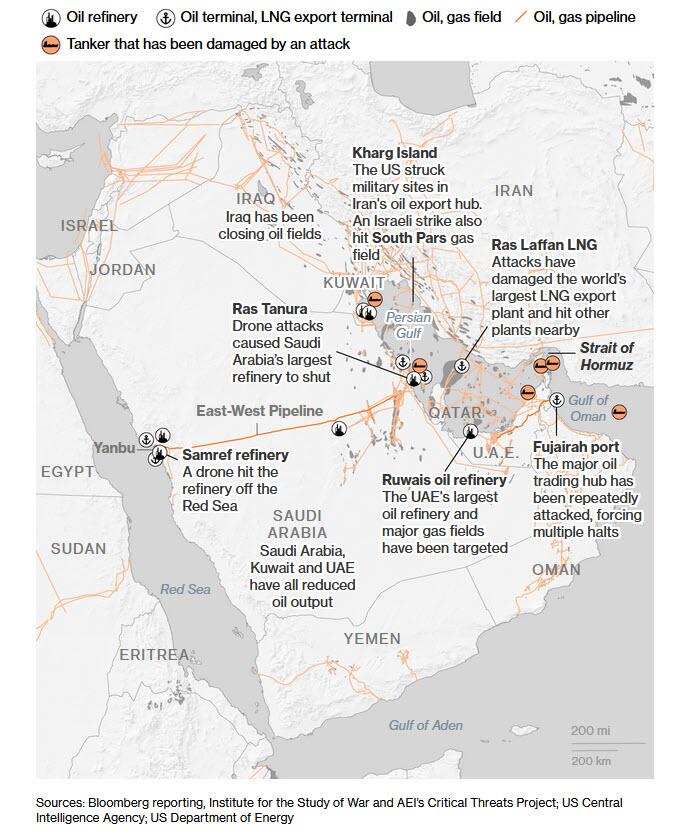
At the same time, there is a growing sense of urgency among U.S.-allied Gulf states to launch a generational infrastructure buildout - from new pipelines to coastal ports - designed to reduce their exposure to the maritime chokepoint and bypass Hormuz altogether.
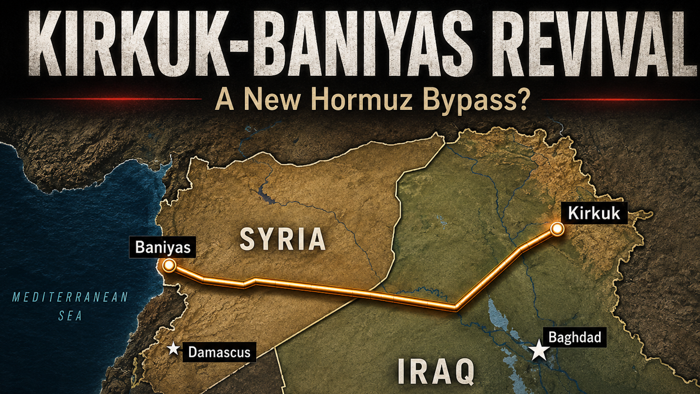
Bloomberg reports that the US is backing talks to revive an oil pipeline from Iraq to Syria's Mediterranean coast, creating an export route that would entirely bypass the Hormuz chokepoint and, in turn, reduce Tehran's leverage over shipping traffic.
US envoy Thomas Barrack has held talks with high-level Iraqi and Syrian officials and companies, including Chevron. The discussions also focused on rebuilding the long-idled Kirkuk-Baniyas pipeline.
Other options include a new pipeline from Basra to Haditha, with branches extending toward Syria, Turkey, or Jordan.
The report continued:
A State Department official confirmed the US government is supporting efforts by Iraq and Syria to enhance trade routes through rehabilitating the pipeline between the two countries and expects American companies to play a role in its construction.
Earlier Tuesday, President Donald Trump met with Iraqi Prime Minister Ali Al-Zaidi at the White House and said "massive" new oil partnerships will be announced this or next week.
Either reviving the old pipeline or building a new one would help Iraq diversify away from the uncertain Hormuz chokepoint that forced it early in the conflict to shutter oil production by 60%. Baniyas, home to Syria's largest refinery, is emerging as a potential energy export hub, with Chevron, TotalEnergies, TI Capital, and UCC Holding involved in discussions.
Less than a week into the U.S.-Iran conflict, specifically on March 3, we began to see the writing on the wall...
Surprising Fujairah is not a bigger oil terminal: it bypasses the straits completely.
— zerohedge (@zerohedge) March 3, 2026
Expect major infrastructure push here after the war. https://t.co/Do1gK7KBDQ
On Monday, the Financial Times reported that Dubai's state-owned ports and logistics giant, DP World, is planning to bypass the critical waterway with a new container port on the UAE's east coast in Fujairah.
We have detailed how U.S.-aligned Gulf states are increasingly making plans to rejigger energy and container supply chains away from the Hormuz area. This will only accelerate the erosion of Tehran's geopolitical leverage over the chokepoint.
Read the report here.
Related Markets
All MarketsMarket data may be delayed. Not financial advice.
How this story developed
Full timelineAlto has tracked this across 5 days of coverage from 1 outlet.
Powered by Gab AI
The Story At A Glance
Reading this article now — analysis appears below
💡 AI analysis provides alternative perspectives on current events