Rumer Willis Says Hormone Tracking Helped Her Better Understand Her Cycle
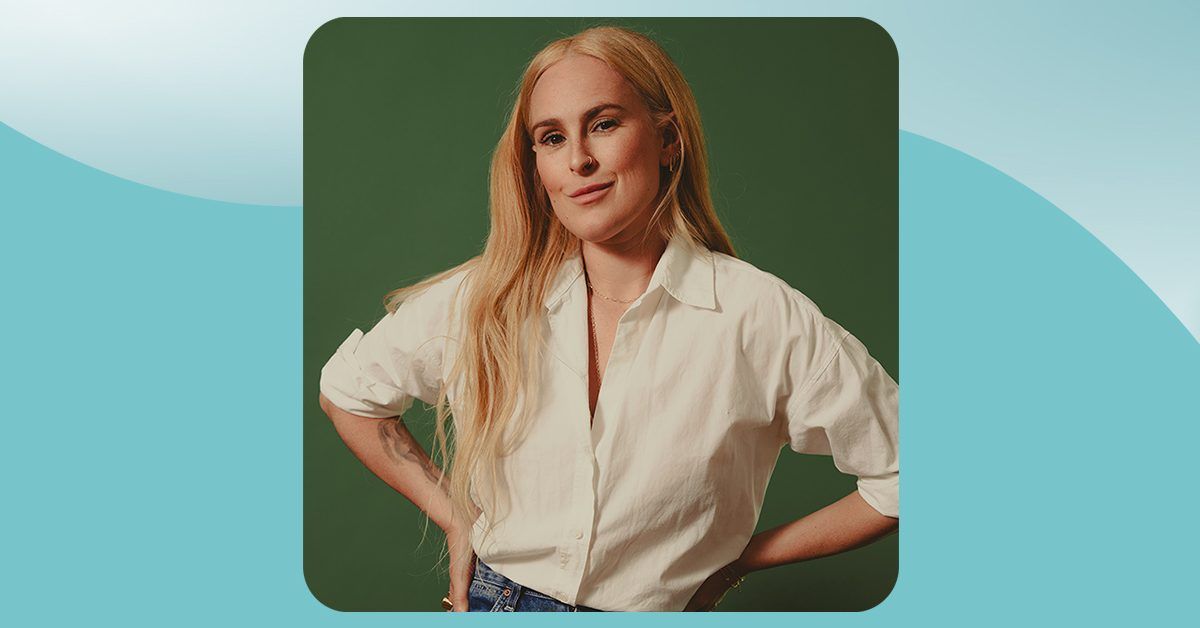
- Rumer Willis says hormone tracking helped her better understand her cycle.
- Experts say at-home hormone tests may help confirm ovulation and guide fertility planning.
- Willis hopes more women feel empowered to advocate for their reproductive health.
When actress Rumer Willis gave birth to her daughter in 2023, the experience amplified her desire to better understand her body.
She had spent years on hormonal birth control and had a period that seemed “generally regular.”
“I never quite understood what was going on with my cycle,” Willis told Healthline.
Watching infertility affect women around her fueled her desire to learn more about her reproductive health.
“I always had this fear, what if that happens to me? And so I wanted to be overly prepared. I wanted to understand what was going on,” she said.
She turned to the at-home fertility monitor Mira for guidance. The system measures hormone concentrations in urine.
“I realized through using Mira that when I was ovulating, according to the algorithms, that I was actually much later, and that if I had been actively trying to conceive, I would have been missing it every month,” said Willis.
What hormone tracking can reveal
Kecia Gaither, MD, who is double board certified in OB/GYN and maternal fetal medicine, said at-home hormone tests, such as urine LH ovulation strips and progesterone metabolite tests, can provide pattern data that may prompt earlier evaluation and confirm whether a woman is ovulating.
“This is helpful if intercourse timing is needed when trying to conceive,” Gaither told Healthline. “If used, pair with a simple cycles log [that tracks] start date, flow patterns, symptoms, and share the results with your health provider.”
If you have irregular cycles, Gaither recommends:
- Avoid rapid weight changes and get adequate caloric intake.
- Engage in moderate rather than excessive exercise.
- Practice stress reduction.
For women who are trying to conceive, she recommends having intercourse every 2 to 3 days throughout their cycle if their periods are irregular.
“Other options your health provider may discuss include ovulation induction, treatment of any thyroid issues, and lifestyle alterations/interventions that restore ovulation,” said Gaither.
While Willis wasn’t actively trying to conceive when she became pregnant with her daughter, she said the Mira system played an unexpected role.
She decided to use it to evaluate her hormone levels, and the results gave her a clue that she was pregnant before she took a pregnancy test.
“My progesterone was through the roof, and I was supposed to be getting my period in a couple days,” Willis said.
Why Willis is advocating for hormone health
Willis has always been interested in speaking up about women’s and reproductive health, but becoming a mom pushed her advocacy to a new level.
“Once I got pregnant and felt like I was kind of shoved headfirst into this world… there was so much more…that I hadn’t even scratched the surface,” she said.
She is grateful to have access to care and providers and wants to help other women get the answers they need. She wants women to “feel empowered to make choices based on real informed consent, not based on outsourcing validation to doctors, to our friends, to the internet.”
She hopes the narrative around sex education and hormone literacy improves.
“The framework is, if you have sex, you’re going to get pregnant. If you have sex, you’re going to get an STD. It’s all fear-based, but that doesn’t really give you hormone or reproductive health literacy,” Willis said.
Gaps in medical research are another issue she wants addressed.
“Most medication that all of us take every day is only tested on male bodies,” she said. “There’s just so much that I feel like we are in the dark about with women’s health.”
What keeps her motivated is the idea that data can become a form of self-advocacy.
“Finding tools, especially tools that you can have at home, that you have the power in your own hands to be able to then say [to a doctor], ‘Hey, here’s my data…I need you to listen to me because I have this wealth of knowledge that you can’t dispute,’” she said.
Looking ahead: Fertility, perimenopause, and reproductive health
Willis hopes to have several more children, maybe as many as eight, so protecting her fertility and understanding her reproductive health remain a vital part of her life.
She hopes her daughter and future children will have better information and data about their own health.
“I don’t want my daughter growing up in a world where she doesn’t have access to proper health care and understanding of her body,” said Willis.
As a 37-year-old woman, she is also thinking ahead to the next stage of her reproductive health.
“[As] one day I transition towards perimenopause, I want to have an understanding of what’s happening,” said Willis. “I think that all women deserve access to that.”
Related Markets
All MarketsMarket data may be delayed. Not financial advice.
💡 AI analysis provides alternative perspectives on current events