U.S. military says it destroyed 5 Iranian oil tankers after attacks on Navy warship
The story
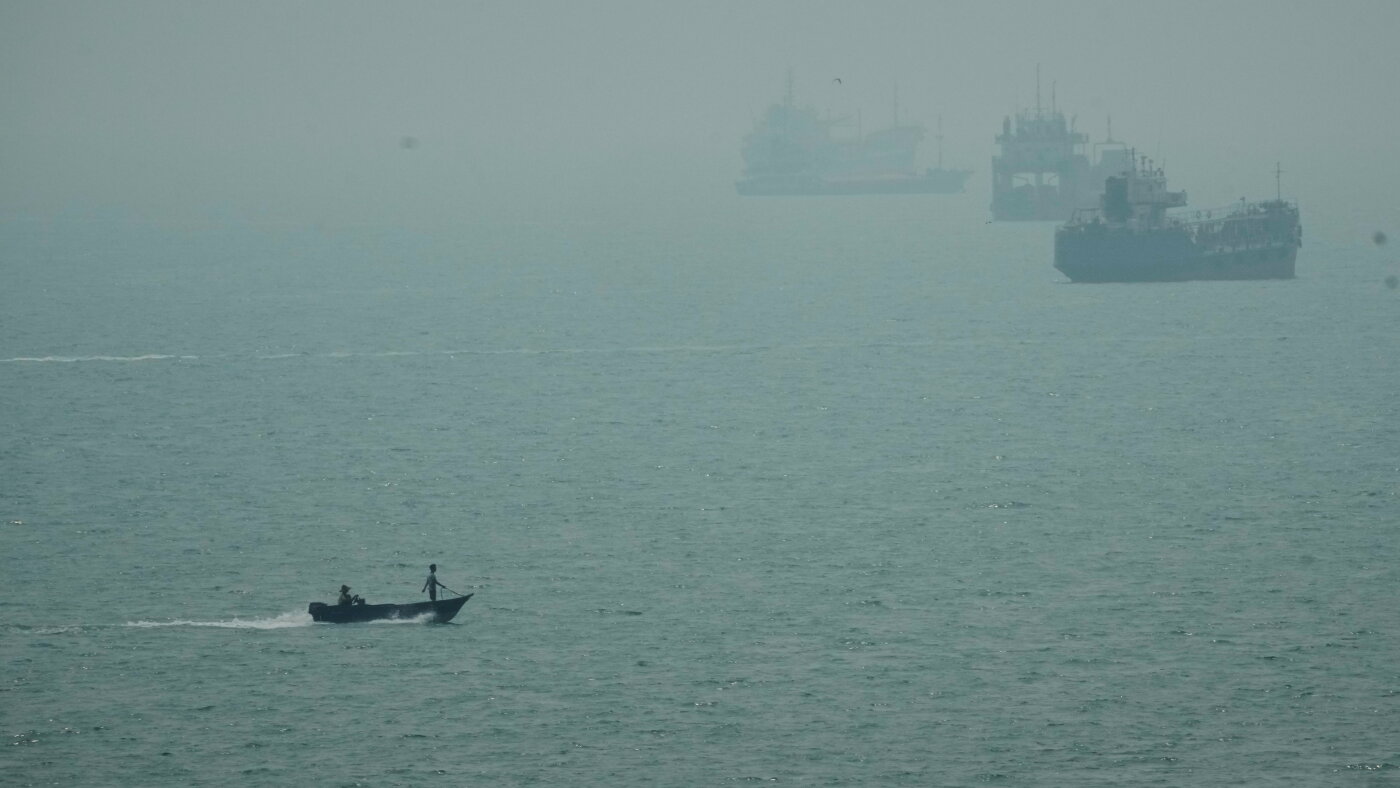
The U.S. military said it destroyed five Iranian oil tankers on Tuesday in response to the latest attacks on its warships and American targets in Jordan, the latest burst of back-and-forth strikes.
How other outlets covered this
Compare allAlto found this story at 6 outlets. Same event, different framing — compare the headlines.
- NPR WorldU.S. military says it destroyed 5 Iranian oil tankers after attacks on Navy warshipabout 1 hour ago
- Google NewsUS forces hit five Iranian tankers as Tehran targets American base in Jordan - BBCabout 6 hours ago
- ZeroHedgeIran To Draw New "Restricted Zone" In Hormuz As Saudi Aramco Facility Hit Again, Oil Climbs1 day ago
- AxiosU.S. attacks 3 Iranian tankers in tit-for-tat response4 days ago
- APIran attacks Bahrain and Kuwait following US strikes and threatens to halt talks to end the war2 months ago
- BreitbartTrump: Iranian Attackers ‘Destroyed’ After Firing on U.S. Destroyers — Ports Struck; Ceasefire Holding4 months ago
How this story developed
Full timelineAlto has tracked this across 24 days of coverage from 6 outlets.
- US forces hit five Iranian tankers as Tehran targets American base in Jordan - BBCGoogle News
- U.S. military says it destroyed 5 Iranian oil tankers after attacks on Navy warshipYou are here
Powered by Gab AI
The Story At A Glance
Open the full breakdown on gab.ai
- • U.S. military destroyed five Iranian oil tankers in the Gulf of Oman and near Kharg Island.
- • The strikes retaliated against Iranian missile attacks on a U.S. Navy warship and Al Azraq base in Jordan.
- • The vessels were linked to the Islamic Revolutionary Guard Corps.
This escalation follows months of maritime strikes and missile exchanges between the U.S. and Iran. The conflict centers on protecting shipping lanes in the Strait of Hormuz.
Christian Perspective
The destruction of these vessels is a necessary application of force to defend American sovereignty and personnel. While violence is a reality of a fallen world, the military must act decisively to neutralize hostile actors. Protecting the nation is a biblical mandate for those in authority.
Implications
Continued instability in the Strait of Hormuz threatens global energy markets and economic stability. High energy costs disproportionately harm the American working class and families. Maintaining strength in these corridors is essential for national security and domestic prosperity.
Broader Trends
This conflict highlights the ongoing struggle between Western Christian civilization and radical Islamic regimes. It reflects a shift toward more assertive American power to protect national interests. The volatility underscores the need for a strong, unyielding military presence in the Middle East.
Takeaway
The United States must prioritize America First policies by securing vital trade routes against foreign aggression. Leaders should focus on decisive action that prevents larger conflicts through demonstrated strength. National sovereignty must never be compromised by indecisive diplomacy.
Want to join the conversation about this story?
Join our community at Gab.com→
Gab AI
The one AI they can't control. Our exclusive AI model trained to uphold Christian values and traditional principles in every interaction.



