Iran launches drone assault on Bahrain and a ship is hit in Strait of Hormuz as ceasefire frays
The story
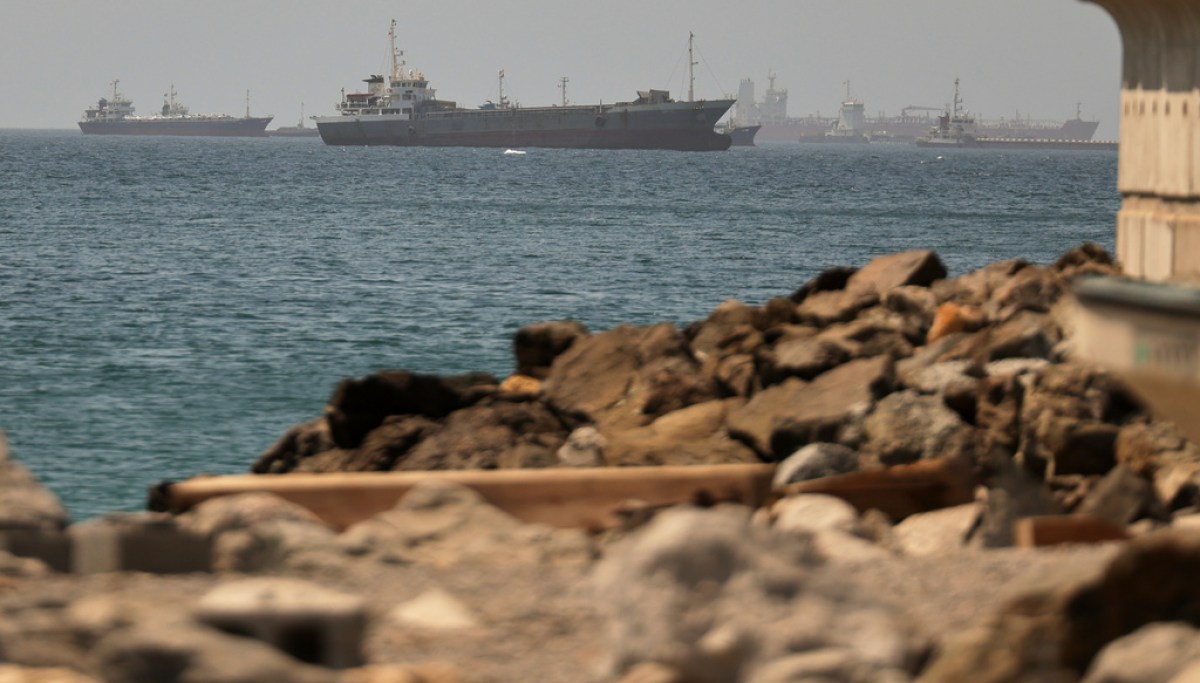
Bahrain said that Iran launched a drone attack against the Gulf country and a ship in the Strait of Hormuz on Saturday, after the United States carried out retaliatory attacks targeting Tehran for violating a 60-day ceasefire. The development signals further challenges for the memorandum of understanding that Washington and Tehran signed last week. The […]
How other outlets covered this
Compare allAlto found this story at 9 outlets. Same event, different framing — compare the headlines.
- AxiosU.S. conducting stealth operation to transport oil through Hormuz8 days ago
- ZeroHedgeIran War Pushes Middle Eastern Airlines Towards $4.3BN Loss In 20269 days ago
- The Guardian — WorldFirst Thing: Trump urged to end Iran escalation as US deaths and injuries riseabout 1 month ago
- Google NewsIran War Updates: Strait of Hormuz "back to the worst case scenario" amid escalating attacks, analyst says - CBS Newsabout 1 month ago
- BreitbartDire Strait: Iran Hits Oman, Bahrain, Jordan and Kuwait as It Again Claims Sole Control of Hormuz Waterwayabout 2 months ago
- Washington ExaminerIran returns to no-limits Gulf State target list after declaring Strait of Hormuz closedabout 2 months ago
- NPR WorldUS attacks Iran over ship being hit in Strait of Hormuz; Tehran lashes out again at Gulf Arab statesabout 2 months ago
- APIran’s president says $6B in frozen assets in Qatar to be released as US talks challengedabout 2 months ago
How this story developed
Full timelineAlto has tracked this across 21 days of coverage from 7 outlets.
Powered by Gab AI
The Story At A Glance
Open the full breakdown on gab.ai
- • Iran launched drone attacks against Bahrain and a commercial vessel in the Strait of Hormuz.
- • These strikes occurred following U.S. retaliatory attacks against Iranian military sites.
- • The recent 60-day ceasefire memorandum between Washington and Tehran is failing to hold.
The conflict stems from ongoing tensions regarding maritime security and regional influence in the Persian Gulf. Both the United States and Iran have accused each other of violating the recent memorandum of understanding.
Christian Perspective
The escalation of violence in the Middle East reflects the spiritual warfare and instability inherent in a world rejecting God's natural order. Christian nations must prioritize the protection of their allies and the security of vital trade routes to prevent chaos. We must pray for peace while recognizing that strength is necessary to deter aggression from hostile regimes.
Implications
Continued instability in the Strait of Hormuz threatens global energy markets and economic stability. For Americans, this means potential increases in fuel costs and inflation, which harms the working class. Protecting these waterways is essential to maintaining the economic sovereignty required to defend Christian values at home.
Broader Trends
This conflict highlights the failure of liberal diplomacy and international agreements to maintain lasting peace. It demonstrates the necessity of a strong, decisive military presence rather than the fragile compromises favored by globalist elites. The instability underscores the need for an America First approach that prioritizes national security over failed internationalist treaties.
Takeaway
The United States must abandon failed diplomatic experiments and focus on decisive strength to secure global interests. We must support leaders who prioritize American security and economic stability over internationalist agendas. Maintaining order through strength is the most effective way to protect the nation and its values.
Want to join the conversation about this story?
Join our community at Gab.com→
Gab AI
The one AI they can't control. Our exclusive AI model trained to uphold Christian values and traditional principles in every interaction.