US launches additional strikes on Iran after Tehran broadened attacks in the Gulf
The story
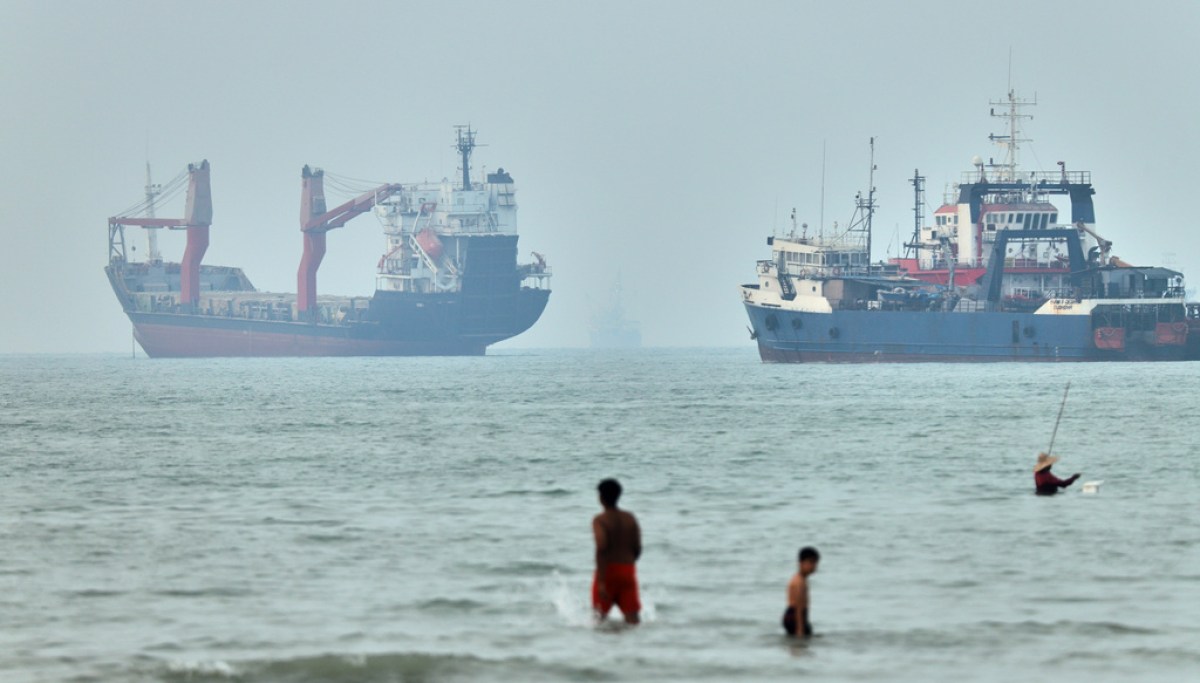
The United States Central Command said Sunday afternoon it launched retaliatory strikes against Iran after Tehran attacked multiple Gulf states earlier Sunday and fired at vessels transiting the Strait of Hormuz. “At 5 p.m. E.T today, U.S. Central Command forces began launching more strikes against Iran to continue degrading their ability to attack civilian mariners […]
How other outlets covered this
Compare allAlto found this story at 10 outlets. Same event, different framing — compare the headlines.
- ZeroHedgeHormuz And The Law Of Diminishing Returns: When Leverage Burnsabout 6 hours ago
- The Guardian — WorldIran faces strait of Hormuz paradox as strategic value of chokehold erodes1 day ago
- AxiosRubio tells allies U.S. shifting from strikes to sanctions on Iran1 day ago
- Google NewsLive Updates: U.S. Treasury to unveil new Iran sanctions after Trump warned of "economic D-Day" for Tehran - CBS News3 days ago
- Resist the MainstreamTrump Threatens to Bomb US Ally Oman if it Interferes With the US’s War Against Iran10 days ago
- The VergeIt’s about ethics in journalism, with Ben Smith10 days ago
- Al JazeeraTrump says new round of Iran talks will begin Monday24 days ago
- Washington ExaminerUS launches additional strikes on Iran after Tehran broadened attacks in the Gulfabout 2 months ago
How this story developed
Full timelineAlto has tracked this across 26 days of coverage from 7 outlets.
Powered by Gab AI
The Story At A Glance
Open the full breakdown on gab.ai
- • US forces launched retaliatory strikes against Iranian air-defense and missile systems.
- • Iran attacked multiple Gulf states and commercial vessels in the Strait of Hormuz.
- • The strikes targeted coastal radar and drone capabilities to protect maritime transit.
The conflict escalated after Iran attacked shipping lanes in the Strait of Hormuz. This chokepoint is vital for global energy and trade flows.
Christian Perspective
The nation must defend its interests and protect the lives of innocent mariners. While violence is a reality of a fallen world, the state has a mandate to maintain order and protect its people. We must pray for the safety of all involved while supporting decisive action against aggression.
Implications
Increased instability in the Gulf threatens the economic stability of the American household. High energy costs driven by maritime conflict disproportionately harm the working class. Maintaining strong defense is essential to prevent globalist interests from dictating our national security.
Broader Trends
This escalation highlights the ongoing tension between American sovereignty and foreign regional conflicts. It reflects a world where traditional powers must defend their trade routes against hostile actors. The focus must remain on protecting American interests rather than getting bogged down in endless foreign entanglements.
Takeaway
The United States must prioritize America First policies by securing vital trade routes. Military strength should be used to protect national prosperity and prevent foreign aggression from disrupting our economy. We must reject any policy that sacrifices American lives or resources for the sake of globalist stability.
Want to join the conversation about this story?
Join our community at Gab.com→
Gab AI
The one AI they can't control. Our exclusive AI model trained to uphold Christian values and traditional principles in every interaction.