Can We Have Our Humans Back? Companies Rethink AI
The short version
- Companies Rethink AI Authored by Autumn Spredemann via The Epoch Times, The artificial intelligence revolution may not be eliminating human jobs as quickly as some feared.
- Rising computing costs, operational headaches, and inconsistent results are prompting some companies to change course and bring workers back.
- It’s a hard lesson learned in the throes of the early AI boom, in which bold claims of big savings have enticed many businesses to downsize their staff.
- Many industry professionals now say that roles requiring sound judgment, creativity, customer interaction, and quality control need to keep humans in the driver’s seat.
- A Careerminds survey of 600 human resources professionals who'd made layoffs in the previous 12 months revealed that nine out of 10 companies would rethink their AI-related…
The story
Authored by Autumn Spredemann via The Epoch Times,
The artificial intelligence revolution may not be eliminating human jobs as quickly as some feared. Rising computing costs, operational headaches, and inconsistent results are prompting some companies to change course and bring workers back.
It’s a hard lesson learned in the throes of the early AI boom, in which bold claims of big savings have enticed many businesses to downsize their staff.
Many industry professionals now say that roles requiring sound judgment, creativity, customer interaction, and quality control need to keep humans in the driver’s seat.
A Careerminds survey of 600 human resources professionals who'd made layoffs in the previous 12 months revealed that nine out of 10 companies would rethink their AI-related terminations.
Three out of four human resources professionals who took the survey confirmed that their organization sacked employees because of technological advancements that replaced roles and responsibilities.
But only 8.4 percent of the survey pool said AI delivered the promised results.
“Over the past 12 months, we have seen a noticeable uptick in companies coming to us after pausing or scaling back AI tool rollouts,” James Calloway, chief operating officer at Stealth Agents, told The Epoch Times.
Calloway’s company provides executive-level virtual assistants, an area where the cost difference between human workers and AI agents is stark.
“One e-commerce client had budgeted for an AI customer service implementation and found the licensing, integration, and ongoing prompt engineering costs were two to three times their original estimate,” he said.
“They hired two of our [human virtual assistants] instead and cut their per-ticket resolution cost by nearly 40 [percent].
“Human employees remain more cost-effective in client-facing communications that require empathy and judgment, tasks that require reading between the lines of what a customer actually needs, work involving proprietary context that cannot safely be fed into third-party AI systems, and any workflow where a mistake has real reputational or legal consequences.”
Big tech companies have also found this to be true. In April, Bryan Catanzaro, vice president of applied deep learning research at Nvidia, told Axios, “For my team, the cost of compute is far beyond the costs of the employees.”
Nickle LaMoreaux, senior vice president and chief human resources officer at IBM, argued that augmenting roles with AI is more essential to corporate growth than replacing human talent entirely, during a Wall Street Journal Leadership Institute summit in March.
LaMoreaux’s comments followed just weeks after IBM announced plans to triple its entry-level hires. When asked why so many companies aren’t taking a similar approach, he said, “It’s because they’re in this productivity mindset versus the growth mindset.”
A BCG analysis predicted that 50 percent to 55 percent of all jobs in the United States will be “reshaped” by AI within the next couple of years.
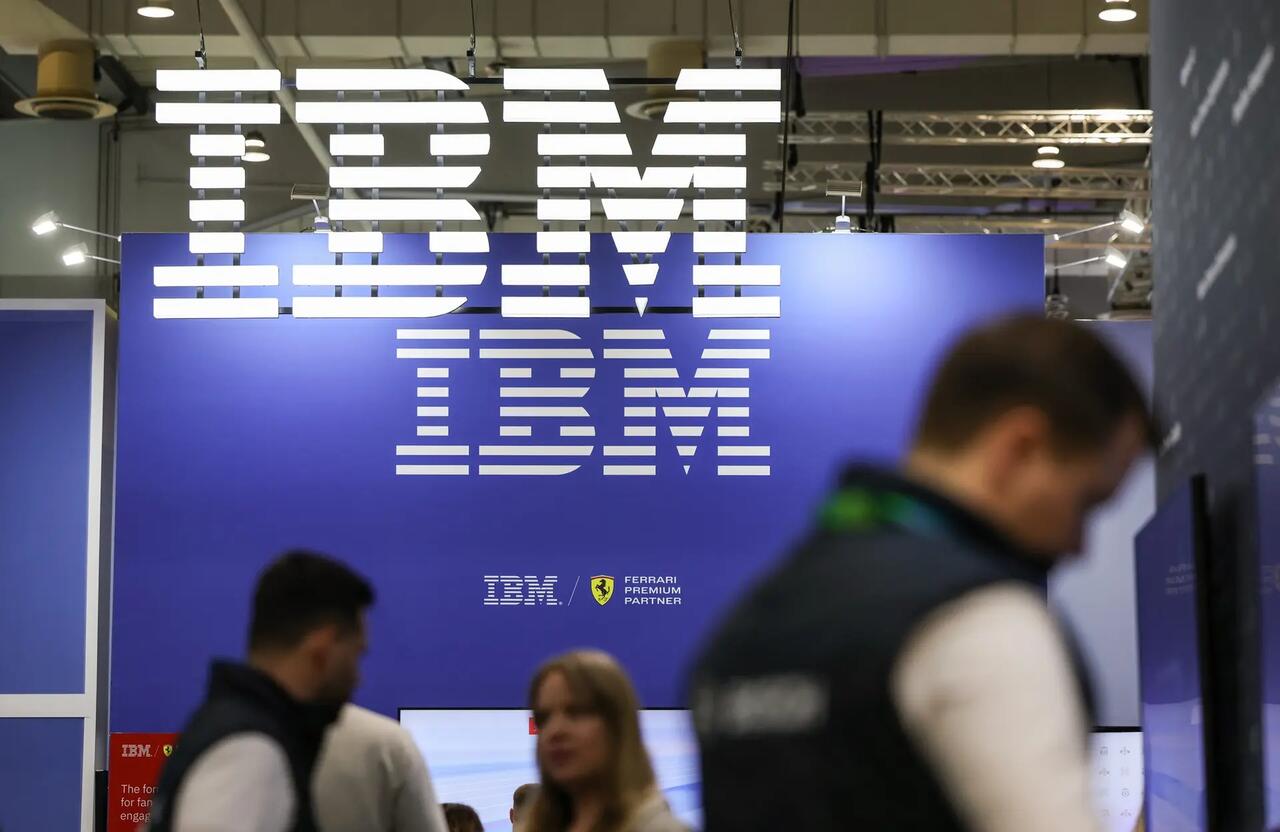
Visitors crowd an IBM exhibition stand at the 2026 Hannover Messe industrial trade fair in Hanover, Germany, on April 20, 2026. This year's trade fair included an increased emphasis on industrial AI. Sean Gallup/Getty Images
Unforeseen Expenses
Jon Hill, CEO of The Energists, said there’s a misconception that generative AI is just “software with a subscription fee.” He has personally witnessed how AI buyer’s remorse can lead to staff rehires.
“Many of our clients aggressively pursued generative AI initiatives, thinking they would reduce labor costs,” Hill told The Epoch Times, “but we’re increasingly seeing those clients circling back to human employees after discovering the real-world costs of AI systems.”
Hill gave the example of one company that he worked with that planned to automate some of its compliance reporting and technical support. The company found that while the projected savings initially looked promising, those gains evaporated when taking into account the costs of cybersecurity, human oversight, and application programming interface usage.
The client chose to pause AI deployment because “human staff provided more predictable output at a lower long-term cost,” he said.
Hill said there are multiple costs that organizations can overlook. Cloud compute costs alone can be “a six- to seven-figure annual expense,” depending on usage, Hill said.
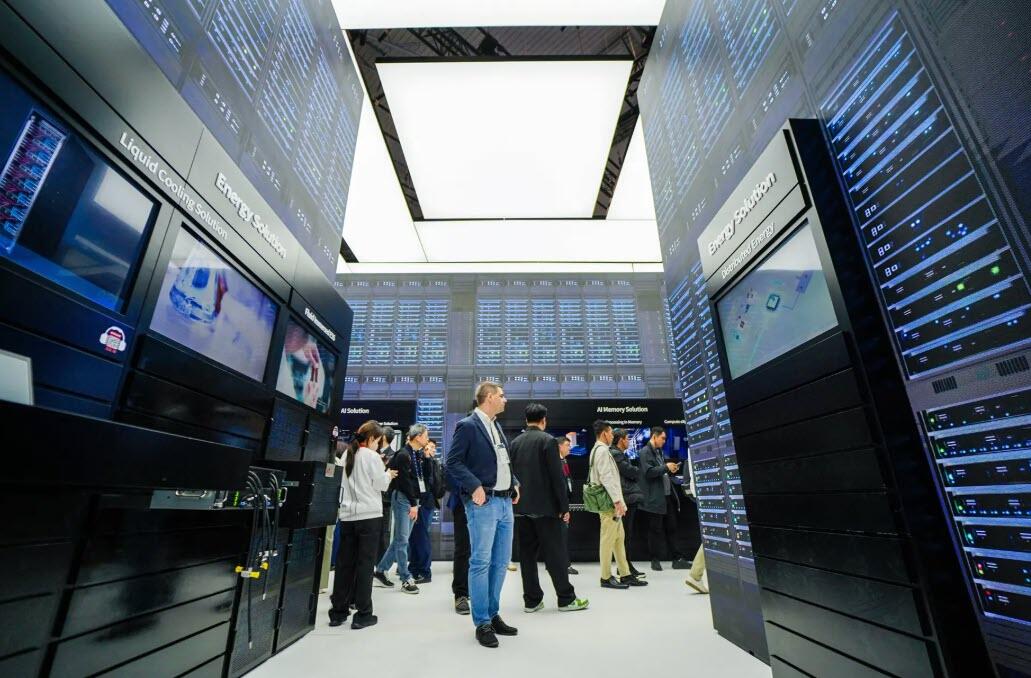
People visit an AI data center at SK Networks during the Mobile World Congress in Barcelona, Spain, on March 3, 2025. A February survey of human resources professionals revealed that nine out of 10 companies would rethink AI-related terminations. Manaure Quinter/AFP via Getty Images
Matt Baharav, CEO of MKB Media Solutions, told The Epoch Times that the AI content assistant his team implemented ended up being both costly and inefficient.
“Last quarter, we decided to stop utilizing an [AI] automated content assistant for our outreach pitches. We realized the software was ineffective,” Baharav told The Epoch Times.
“The company we hired and paid thousands per month charged us licensing costs, as well as had my team spend countless hours rewriting generic paragraphs created by their tool.”
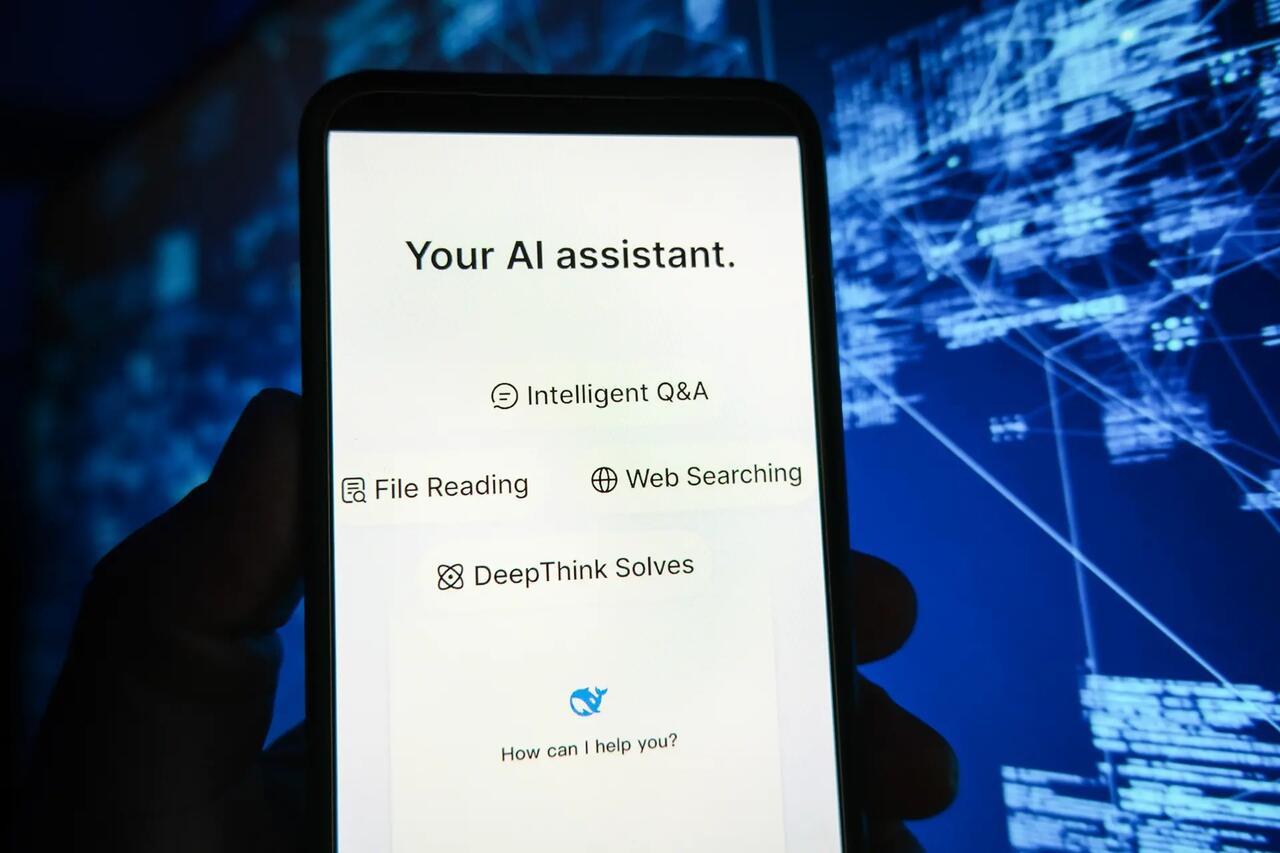
In this photo illustration, a screen shows the Deepseek app in Kyiv, Ukraine, on March 31, 2026. After the rapid rise of AI implementation in industrial settings, a growing number of businesses are bringing human workers back to the workplace. Oleksii Pydsosonnii/The Epoch Times
Baharav said he learned that “a good writer is less expensive than an expensive automated content assistant” when it comes to complex communications.
“We eliminated the software altogether and transferred the funds back into hiring competent, sharp writers,” he said.
Tech spending tracker Mavvrik, in its 2025 State of AI Cost Management report, observed that 80 percent to 85 percent of companies missed their AI infrastructure forecasts by more than 25 percent, while 84 percent reported “significant gross margin erosion” because of miscalculated AI costs.
The offices of Amazon Germany's new headquarters in Munich are pictured on April 16, 2026. The retail giant laid off 16,000 workers in January in its latest round of cuts, part of a multi-year wave of layoffs driven in part by the company's adoption of artificial intelligence. AFP via Getty Images
Luxury Component
Marcus Mossberger, chief market strategy officer at workforce intelligence platform LYTIQS, said he believes that AI could have its own niche within the workforce, so long as it’s not a situation that would be better served by human judgment.
“HR is a great example where AI can be used to field transaction questions like ‘what is the deductible on my health insurance plan,’ but not for more intimate requests, like ‘what should I do about a co-worker who is making me uncomfortable?’” Mossberger said.
He said some companies are likely to “over-rotate” toward AI and learn a hard lesson, but he thinks that there could be bigger consequences for companies than just having to hire new talent.
“I actually believe the biggest hidden ‘expense’ associated with implementing generative AI has been the disruption of trust between employee and employer. And let’s face it, this wasn’t exactly an area of strength to begin with,” Mossberger said.
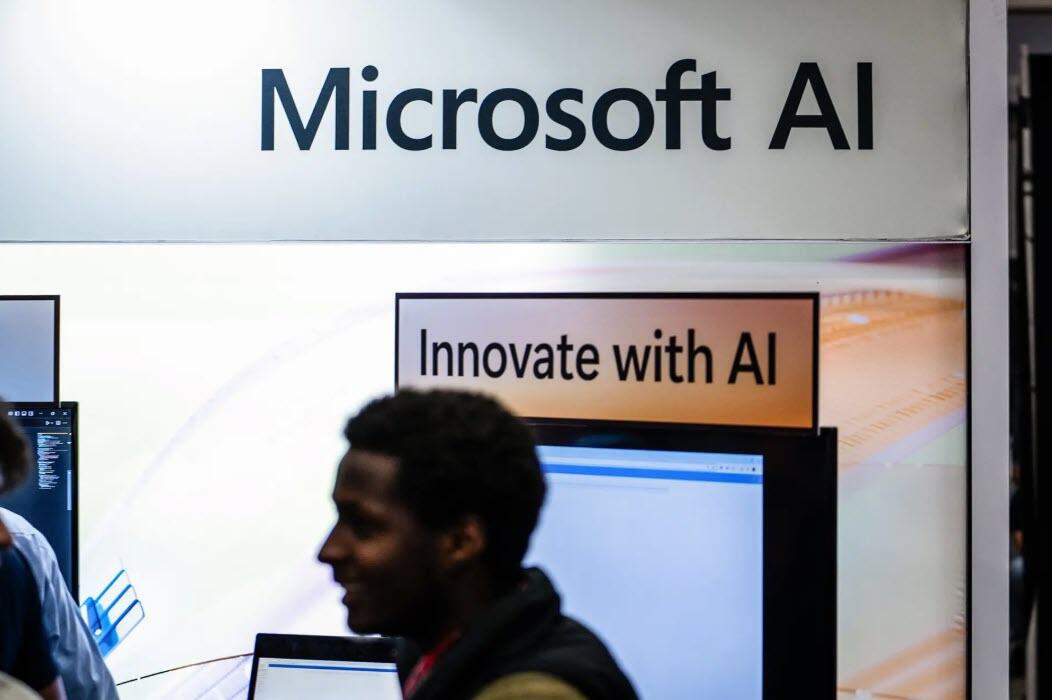
A Microsoft AI booth is shown during the AI+Expo Special Competitive Studies Project in Washington on June 2, 2025. Many companies are feeling buyer's remorse, hiring industry insiders say, as they find that the cost of AI implementation is higher than anticipated. Madalina Kilroy/The Epoch Times
He pointed out that hard-working Americans are watching employers invest billions in AI infrastructure while laying off their co-workers and being asked to help train their own AI replacement.
“If you think these same individuals are giving you discretionary effort and taking innovative risks to improve your organization, you are badly mistaken,” Mossberger said.
He predicts that this will necessitate a need for companies to rebuild trust in their brand while training new hires. Mossberger said he thinks that many of the people laid off during the early days of the AI gold rush may refuse to come back.
The practice of a worker returning to the same company that initially laid them off has come to be known as a “boomerang employee.”
For Baharav, the decision to prioritize human talent has definitely paid off. “To date, we have actually ended up saving money,” he said.
Related Markets
All MarketsMarket data may be delayed. Not financial advice.
How other outlets covered this
Compare allAlto found this story at 3 outlets. Same event, different framing — compare the headlines.
How this story developed
Full timelineAlto has tracked this across 5 days of coverage from 3 outlets.
- Can We Have Our Humans Back? Companies Rethink AIYou are here
Powered by Gab AI
The Story At A Glance
Reading this article now — analysis appears below
💡 AI analysis provides alternative perspectives on current events